
 Editorials




This review may contain spoilers
A Lighthearted Romp with a Predictable Plot
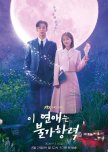
This is your classic enemies-to-lovers romantic comedy, filled with familiar tropes and a quirky premise. An average girl and a wealthy heir start as sworn enemies, only to (surprise!) fall for each other. While the concept is fun, the plot is thin, predictable, and doesn't go deep enough to truly hook you. It's a breezy, low-stakes watch that entertains but won’t leave a lasting impression.The first episode is easily the highlight. The leads meet through an online game, get sucked into a virtual quest as their avatars, and hilarity ensues when the female lead realizes her crush-worthy gaming partner is actually an eighth-grader. His confident love confession versus her mortified reaction sets the comedic tone perfectly. Special shoutout to Moon Woo Jin, who absolutely nails the younger version of Ban Ju Yeon with his goofy charm and energy—it’s a scene-stealer.
Fast forward to adulthood, and we meet the polished Ban Ju Yeon (Choi Hyun Wook), who carefully hides his hilariously immature side from everyone, and the hardworking, relatable Baek Su Jeong (Mun Ka Young). Both actors are great individually—Choi brings dorky awkwardness to what could’ve been a clichéd "rich heir" role, and Mun adds warmth and depth as a breadwinner with a lot on her plate. But here’s where things get more layered: Ban Ju Yeon isn’t just the typical stoic chaebol. Years of emotional abuse from his cold, controlling grandmother have left him starved for love and forced to suppress his true self. Choi Hyun Wook does a great job conveying this vulnerability beneath his polished exterior, giving the character surprising emotional depth. It’s also why his connection with Baek Su Jeong—and by extension, her warm, accepting family—feels so significant. They’re not just romantic partners; they’re his first real taste of unconditional care.
That said, when it comes to their romantic chemistry, something still feels... off. Their banter leans more sibling-like, and while it’s funny, the romance feels half-baked. You want sparks, but you mostly get flickers. Thankfully, the show balances this by pairing the main couple with a more grounded secondary couple who, truth be told, steal the spotlight. Their opposites-attract dynamic—a divorced woman finding her footing and a man experiencing his first 'real' relationship—feels fresh and mature. They bring a nice contrast to the main leads’ journey of navigating their first love.
Not everything lands, though. The male lead’s grandmother, set up as the cold, manipulative “villain,” feels unnecessarily harsh. Blaming Ban Ju Yeon for his father’s death and using the family business as a weapon against him adds drama, but it’s overdone and often feels out of place in a romcom. Her redemption at the end feels rushed and abrupt, with no convincing reason for her change of heart, making it even less satisfying.
Ultimately, "My Dearest Nemesis" is a harmless, easy watch for when you’re in the mood for something light and silly. It won’t blow your mind or reinvent the genre, but the gaming sequences, age-gap twist, and lovable side characters keep things interesting enough. Add in the emotional layers of the male lead’s journey, and it’s a tad more heartwarming than your average snack-sized romcom—not very filling, but enjoyable while it lasts.
Was this review helpful to you?

This review may contain spoilers
A Slice-of-Life Melodrama That Could Leave You Feeling Drained and Disinterested
I tuned in expecting a lighthearted romcom about two childhood friends, but instead, I found myself in a slow-paced slice-of-life drama. While the series delved deeply into the characters, the plot often felt aimless, particularly regarding the romantic development between the leads.The female lead's family dynamics depicted in the narrative added significant depth, especially through the characterization of the female lead's mother. Her aggressive demeanor and high expectations for her daughter, contrasted with a more lenient approach towards her son, effectively highlighted her internal conflict rooted in unfulfilled dreams. This projection of unmet aspirations onto her daughter led to unrealistic expectations that felt burdensome. Furthermore, the daughter’s efforts to hide her illness, coupled with her harsh comments and selective communication with friends and family, hindered empathy towards her character. While this complexity enriches the story, it also creates a barrier to connection.
As the series progressed, the unique tone I enjoyed in the first two-thirds shifted abruptly to disjointed melodrama. It tackled heavy themes like terminal illness, depression, and alleged infidelity, which overwhelmed me and disconnected from the earlier narrative. Watching the characters grapple with communication issues and unreciprocated love became exhausting, making the series feel like an energy-draining experience. After episode 8, I took a two-week break, unsure whether to continue or drop it altogether.
Things began to turn around in episode 12, with many issues resolved and the drama shifting back to a lighter tone. However, by that point, my interest in the main leads had waned, and the overall story seemed less engaging. Ultimately, I decided to drop it for good.
What captivated me most were the flashbacks featuring the young actors; they were charming and perfectly embodied the essence of the leads' characters. I also appreciated the relationship of the male lead’s parents, who acted like teenagers in love after their marriage problems were resolved.
Overall, while this drama had some emotional moments, it wasn't what I expected. I felt misled by the romcom premise, as it turned out to be significantly different from what I anticipated. As someone who typically doesn't enjoy melodrama, the heavy themes and disjointed storytelling were surprising and ultimately left me disappointed. The charming flashbacks with the young actors were a highlight, but they couldn't fully redeem the series for me.
Was this review helpful to you?
A Storm of Talent, A Breeze of Flaws
ACTING HEAVYWEIGHTS: THE CAST THAT DELIVERSIf you watch for nothing else, tune in for the performances. Lee Junho is the show’s pulse, taking Kang Tae Poong from reckless Apgujeong kid to a man changed by family responsibilities. Every emotion hits deeply. Kim Min Ha matches him with warmth and grit as she navigates both workplace and family troubles. Kim Min Seok and Kwon Han Sol round out a cast that sparks with chemistry. It’s an acting masterclass—full stop.
‘ROMANCE REDEFINED’: LOVE, NO CHEESE REQUIRED
Forget predictable romance. The leads’ connection grows quietly and honestly—never forced, always intentional. You’ll remember the blushing beachside kiss, but it’s their easy partnership in both life and business that sets them apart. This is K-drama romance with real depth: subtle, refreshing, and genuinely worth rooting for.
RETRO VIBES, FOUND FAMILY FEELS, AND A MOTHER’S REINVENTION
From retro gadgets to the buzz of a fax machine, Typhoon Family nails late ’90s nostalgia. The early episodes hum with both collective anxiety and resilience from the IMF crisis—history as atmosphere. But the real heart is family, both by blood and by choice.
Kim Ji Young’s journey as TaePoong’s mother is a true revelation. She transforms from a sheltered wife into a self-reliant matriarch, quietly taking charge when everything seems on the brink. Watching her steady the ship—caring for her son, Miho, Beom, and even Grandma—brings a layer of authentic warmth and strength that’s hard to resist. Her scenes are a blend of tenderness and grit, showing how survival sometimes means inventing yourself anew, even as the world falls apart.
Even so, I often wished for more everyday moments between TaePoong, his mother, and the rest of the found family. While there are touching scenes, TaePoong sometimes feels on the sidelines in these relationships. A few more shared meals, quiet conversations, or simple family routines could have deepened the sense of connection and made their bonds even more believable.
WHERE THE STORM FIZZLES: FLAT VILLAINS AND RECYCLED CONFLICTS
Not everything hits the mark. The promising IMF backdrop gets pushed aside pretty quickly, and the main antagonists—especially Pyo Hyeon Ju—start strong but fall into repetitive patterns. Pyo Hyeon Ju, in particular, feels more like a plot device at times, with schemes that come off as over-the-top and lacking real emotional stakes. Instead of evolving or surprising us, the villains stick to the same playbook—tantrums, petty setbacks, and even burning inventory (yes, literally)—which might move the story forward but doesn’t add much tension.
It’s a shame because the villains never feel like they’re truly worth the leads’ struggles, and that takes the edge off the drama. A deeper dive into their motivations or backstories could have added more emotional weight to their clashes with the leads, making the story more engaging overall.
THE FINAL WHIRLWIND
The last few episodes finally pick up steam, bringing a well-earned sense of hope and connection. Despite its flaws, Typhoon Family offers genuine warmth and moving moments, making its celebration of resilience and togetherness linger long after the final credits. Typhoon Family ultimately finds clarity about resilience and chosen family—even if it takes a winding road to get there. When the show leans into these themes, it doesn’t just weather the storm; it glows.
Was this review helpful to you?

This review may contain spoilers
Romance, Royalty, and Wait… What?
From the jump, this romcom boasts a clever, contemporary setup—a fictional Korea with a constitutional monarchy, where a chaebol heiress is rich in everything but status and a grand prince brings only a title to the table. With just 12 episodes, the story keeps things moving with brisk energy and zero filler, making the early chapters especially bold, sleek, and downright entertaining.Visually, everything feels polished and intentional, from the elevated sets to a wardrobe department that dresses the characters for their world rather than for sponsorship deals. Casting is just as strong. The leads deliver, the supporting cast adds texture, and the guest appearances from Im Chul Soo, Kim Dae Gon, and Yoon Byung Hee make the idea of a Castle Beauty spinoff feel oddly necessary. The female lead’s family dynamic is another highlight, especially the tangled father-daughter relationship and the half-brother who steals the press conference spotlight. Butler Kim, meanwhile, remains the ensemble’s secret weapon—part butler, part stylist, part emotional support system.
As the series moves into its second half, that early momentum starts to work against it. The plot pushes ahead so quickly that many of its most promising dynamics end up feeling both underexplored and underexplained. Political turns and character motivations—especially after the leads marry—grow increasingly vague. Major developments like the queen’s abrupt redemption, the sudden push to abolish the monarchy, and the Prime Minister’s change of heart all arrive with dramatic weight but not enough narrative groundwork. And for a heroine initially defined by her ego, ambition, and willingness to fight for the prince, it’s oddly frustrating to watch both leads become so reactive in the face of escalating threats.
In the end, this series offers plenty to enjoy—sleek visuals, contemporary flair, understated humor, a romance anchored by two appealing leads, and a cast that brings its world to life. But underneath the glossy finish, there's a sense that the narrative could have used a little more breathing room and intention. In the end, this feels like a 14-episode drama squeezed into 12—still entertaining, but a little too eager to rush past its own best ideas.
Was this review helpful to you?

This review may contain spoilers
A Strong Case Against Hiking
So many variety shows feel like everyone arrived with a group assignment and a pre-decided personality. This one feels refreshingly unplanned. It’s basically four men subjecting themselves to freezing temperatures, physical suffering, and repeated disappointment, then reacting exactly how normal people would: by complaining the entire time.That’s what makes it so good. The chemistry feels completely unmanufactured. Nothing is polished, nothing is overly performative. It’s just raw, unfiltered bro energy and the ongoing question of why hiking exists at all, especially in sub-zero conditions. Honestly, where else are you going to find four guys stuck in a variety show that is genuinely bad at being a variety show? The games barely register. But the four of them are such peas in a pod that I stopped caring about the format entirely.
Car, the Garden, is particularly entertaining because he has the aura of a leader and the actual leadership style of someone being mildly inconvenienced against his will. He whines constantly, contributes to the collective misery, and yet still somehow gives off a real sense of responsibility. Which is also the general vibe of the group: deeply reluctant, visibly exhausted, but quietly very caring.
The one who snores choosing the living room. The fittest one slowing down so nobody gets left behind or outshined. The one willing to drive all those miles in his own car so everyone could travel more comfortably. The youngest inviting the others over for a home-cooked meal. None of it feels staged in that “look how wholesome we are” way. It just feels natural. I also still cannot believe Dowoon screamed “Christian Bale” as his answer for a luxury fashion brand. No notes. Perfect contestant. Terrible at trivia.
What I liked most is that this never tries to sell hiking as some life-changing spiritual experience. If anything, it presents it as cold, tiring, and frequently unnecessary. But watching four reluctant men persist through it with this much sincerity, mutual care, and complete confusion is weirdly charming. I still have no interest in hiking, but I would absolutely pick these four as travel buddies.
Was this review helpful to you?
Potatoes and Plot Holes
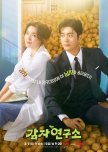
The Potato Lab starts with a promising premise—M&A executive So Baek Ho (Kang Tae Oh) is sent to revamp a struggling potato research center, where he clashes with passionate researcher Kim Mi Gyeong (Lee Sun Bin). It sounds like a setup for quirky fun, right? Sadly, the drama just doesn’t deliver.The story feels undercooked, lacking the depth or charm to make it memorable. The leads never quite click—when they’re not arguing, their dialogue feels awkward and overly sentimental, which doesn’t match their supposedly mature characters. The supporting cast? Mostly loud, one-note, and unnecessary to the plot. For a show about potatoes, it’s disappointing how little comfort or heart it offers.
That said, Lee Sun Bin and Kang Tae Oh give solid performances, doing their best to bring life to a flat script. Unfortunately, even their talent isn’t enough to save this drama from feeling bland.
If you’re craving a lighthearted rom-com, this one might leave you unsatisfied. But if curiosity gets the better of you, give it a try—and maybe grab some fries to make up for the lack of flavor.
Was this review helpful to you?

Shamans, Secrets, and Seriously Messy Drama
At first glance, this show feels like Hannah Montana meets mysticism—but there’s way more to unpack. The plot has deliciously messy layers that’ll have you yelling, “Wait, WHAT just happened?” It’s chaotic, in the best way.That said, cramming all this drama into 12 episodes? Bold, but not brilliant. By Episode 10, the pacing hits fast-forward, and storylines feel rushed. A couple more episodes could’ve made this show exceptional instead of just entertaining.
Now, let’s talk Yeom Hwa. Choo Ja Hyun could’ve nailed the villain role, but the writing didn’t do her justice. Her motivations are flimsy, her relationships lack depth, and honestly, why does anyone care about her?
What does shine is the show’s deep dive into shamanism. Most dramas sprinkle in mysticism, but this one goes all-in, showcasing fascinating rituals and traditions that set it apart.
The cast? Pure gold. Choo Young Woo gives us broody Bae Gyeon U and mischievous Bong Su in a way that feels effortless (even if he’s a bit too grown-up for a high schooler). Cho Yi Hyun as Park Seong A? She nails the transition from girl-next-door to mysterious shaman, with emotional growth that feels real.
The ending wraps things up… mostly. While the emotional punches land, some storylines are left hanging. Still, the electric chemistry between the leads and the gripping plot make this a ride worth taking. Flawed, yes, but undeniably fun.
Was this review helpful to you?

When Demons Judge
What would a demon judge be like? Picture a mischievous whirlwind—wicked, cheeky, and delightfully chaotic—spreading confusion while serving up hellish punishments to those who truly deserve it. Enter Justitia/ Kang Bit Na, played brilliantly by Park Shin Hye, who nails this wild spirit!What really sets this drama apart is its bold and entertaining take on demon characters and their antics. Each emotional storyline packs a punch, diving into their darker, more violent sides without any apologies. Yet, it maintains a perfect balance with a light-heartedness that keeps things fun and engaging. Even as Justitia navigates human emotions and falls for the male lead, Han Da On, she never loses that badass edge.
I've struggled to connect with Park Shin Hye in her previous roles, but her portrayal as Justitia/ Kang Bit Na is truly impressive. It's refreshing to see her break free from typecasting! She’s a powerhouse of strength wrapped in vulnerability, sprinkled with love, and her performance genuinely stands out. I was pleasantly surprised by how much I enjoyed her emotional scenes!
The strong supporting cast, featuring Kim In Kwon, Yang Kyung Won, Kim Jae Hwa (alongside her real-life sisters) and many more, adds even more depth to the story. My only complaint? Lee Kyu Han's acting. His character, Jung Tae Gyu, comes off a bit one-dimensional, almost as if there's glue stuck on his face. He doesn't quite capture the insane, evil, or unhinged vibe that his character is supposed to embody.
Overall, this drama is a wild ride with plenty of twists and engaging moments!
Was this review helpful to you?
This review may contain spoilers
Review: Lee Junho Shines, But the Story Falls Flat
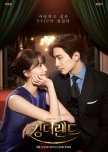
First and foremost, let me declare that Lee Junho has never appeared more dashing. From the moment he leaps from the helicopter, fans and even non-fans will undoubtedly swoon. His acting is impeccable throughout. However, this cannot mask the fact that the story lacks excitement and a compelling climax.The drama aims to deliver a sweet romantic comedy, utilizing all the essential formulas while avoiding the typical pitfalls like childhood connections, unnecessary separations, or lurking killers. While I appreciate this attempt, it ultimately falls short. Around episodes 9 or 10, the drama begins to lose momentum, leaving me wondering, "Is this it?"
For instance, the synopsis presents Guwon, the male lead, as the third-generation heir of a hotel group, embroiled in an inheritance battle with his half-sister. Yet, there is hardly any screen time or intelligent strategy showing how he wins this battle. Throughout the drama, we rarely see him at work or displaying his professional acumen. We were eager to see how this Oxford/Cambridge graduate could lead and transform the hotel group, but that aspect is sorely underdeveloped. Even the subplot of his missing mother, which was supposed to significantly impact his upbringing, feels underutilized.
Every romcom has its sidekicks for both leads. Unfortunately, these characters aren't effective here. The comedy between No Sang Sik and Guwon feels forced, and the subplot involving Kang Da Eul and her husband/in-laws adds no value to the overall story.
As a Junho fan, I want to say this is a great drama, but sadly that is not the case. The first half was enjoyable, filled with charm and promise, but the second half fails to deliver on that initial potential. The plot becomes repetitive, and the lack of depth in both the main and supporting storylines leaves much to be desired. Ultimately, while Lee Junho's performance is a highlight, it is not enough to save a story that falls flat and struggles to maintain its momentum.
Was this review helpful to you?

Not All Heroes Wear Red Undies (Some Wear White)
This drama is the perfect popcorn flick—lightweight, fast-paced, action-packed, and highly entertaining, with a quirky Western-style format infused with a distinctly Korean flair. Across its eight episodes (each just under an hour), it stays consistent in tone, delivering humor, heart, and a dash of chaos.LOVE, MONEY, AND A PUSHY GIRLFRIEND
At first glance, it’s your classic “everyday Joe turns superhero” story—but with a twist. Instead of a bullied loser, we have Kang Sang Woong, an ordinary civil servant who’s often a pushover in his nine-year relationship with Kim Min-sook. She’s bossy, pragmatic, and entirely goal-oriented (save money, buy a house, get married), which sometimes makes her seem selfish. But beneath her no-nonsense exterior, Min-sook genuinely cares for Sang Woong, supporting him in her own practical way and fiercely defending him when it counts. Their relationship is a realistic yin-and-yang dynamic—he’s the willing loser, and she’s the determined planner. It’s not the most romantic setup, but it’s grounded, relatable, and built on a foundation of love.
SUPERPOWERS ON A BUDGET
The real kicker? Sang Woong’s superhuman strength only works when he’s flush with cash—and every time he uses his powers, his money pulls a disappearing act. This clever twist sets up a journey of self-discovery, exploring themes of money, power, and what it truly means to be a hero. Through his internal monologues, we see him grow—rebuilding his bond with his dad, gaining confidence at work, and finding his footing in life. It’s a fresh take on the superhero genre, blending humor with heartfelt moments.
HIGH-WAISTED HEROICS
Lee Junho absolutely nails the role of Sang Woong, bringing to life an awkward, reluctant superhero. He’s selfish, clueless, kind, greedy, weak, and strong—sometimes all at once. His comedic timing is gold, especially in the early scenes where he’s hilariously told to conserve energy and avoid helping others. And let’s not forget the unforgettable moment when Bang Eun-Mi gifts him those special high-waisted white undies to stop coins from falling everywhere—a practical yet deeply awkward solution that perfectly captures the show’s quirky charm. Sang Woong’s internal monologue about how even his girlfriend hasn’t gotten him underwear adds a layer of humor and self-deprecating charm. His sibling-like dynamic with Eun-Mi is a standout, and the moment she pins his ruined suit is unexpectedly heartwarming.
VILLAINS STRAIGHT OUT OF A COMIC BOOK
The rest of the cast is equally stellar. Kang Han-na lights up every scene she’s in, and the ensemble cast turns this action-packed drama into an acting showcase. However, the fast-paced nature of the show leaves little room for deeper character developments or backstories. The villains, while entertaining, feel cartoonish at times. We never really learn the origins of the "Criminals’ Association," the sibling rivalry between Jo An-na and Jo Na-than, or the relationships involving Park Jeong Ja and Jo Won-do. Even Sang Woong’s dad’s story feels a bit underexplored. But in a show that’s more about heart and humor than complexity, they serve their purpose as chaotic forces that keep the action moving.
A HERO’S TRUE POWER
That said, this drama isn’t trying to be deep. It’s a fun, action-filled ride with a solid message—not just about power and money, but also about responsibility, self-discovery, and what it truly means to rise to the occasion. It’s a powerful reminder that being a hero isn’t about perfection or superhuman abilities—it’s about courage, community, and the strength to overcome challenges when it matters most. (Though, let’s be honest, Junho’s shirtless bathroom scene deserves its own standing ovation for heroism of a different kind.)
Was this review helpful to you?
Undercover Chaos Done Right
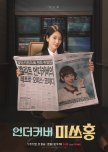
What do you get when you mix financial crime, undercover antics, and comedy? A rollercoaster of twists, laugh-out-loud moments, and heartwarming sisterhood, packed with white-collar crime, chaebol family feuds, workplace equality, corporate politics, and powerful journeys of personal growth—all served with flair. Every character is perfectly cast, well-written, and brings something meaningful to the story. The narrative unfolds intelligently, with just the right pacing to keep you hooked.At first glance, Hong Geum Bo (played by the ever-talented Park Shin Hye) might seem like the type to roll her eyes at anyone wasting her time. But as the story progresses, you realize she’s the sharp, competent, and quick-witted hero you didn’t know you needed. Armed with a razor-sharp tongue, she has a knack for outsmarting anyone who dares to underestimate her. Her banter with the Investigation Bureau director and her bickering with Cha Jeong Il, the Hanmin Research director, are some of the funniest moments in the show. Honestly, watching Geum Bo verbally dismantle Cha Jeong Il—who absolutely deserves every word—is pure, unfiltered satisfaction.
And let’s not forget the ladies of Apartment 301. Their unexpected sisterhood is the heartwarming surprise you didn’t know you needed. Even the villains are layered and purposeful—they’re not just there to be evil for the sake of it.
For those hoping for a sweeping romance, well, you might want to look elsewhere. This drama isn’t about love—it’s about wit, grit, outsmarting the system, and rooting for the underdog.
Set in the late 1990s, the production team has done a stellar job of bringing the nostalgia to life. From Motorola StarTAC phones to staff delivering internal documents with a stroller, the details are spot-on. Though I have to admit, some of the wardrobe choices are a bit of a mixed bag. (Albert O’s suits? Definitely more 1970s than 1990s. Someone get that man a new tailor.)
This drama is just so well-made, it would take forever to praise every character and actor. It’s a must-watch for anyone who loves sharp storytelling, layered characters, and a good dose of humor.
Was this review helpful to you?

A Fast-Paced Sequel with Unexplored Backstories
Part 2 takes us to modern Seoul and, like the first installment, unravels the backstory—exploring the events between Part 1 and the current narrative—later in the series. However, it feels a bit limited. I’d love to see more of those 75 years when our main characters were apart! Diving deeper into Lady Maeda's truly wicked nature and Captain Kuroko's backstory would be fascinating.Overall, this sequel amps up the pace and is packed with action, pulling viewers in much quicker. Despite its flaws, the excitement makes it a fun continuation of the story. I’m curious to see if there will be a Part 3 with that intriguing ending!
Was this review helpful to you?
This review may contain spoilers
Quirky Characters and Comedic Gold
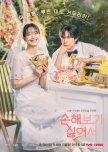
This drama explores serious themes like foster care, orphanages, children born out of wedlock, murder, dementia, and child abuse. Sounds intense, right? Surprisingly, it's all wrapped up in a romantic comedy that keeps you laughing!I jumped into this show with no expectations. Initially, I found the main female lead, played by Shin Min Ah, a bit annoying with her constant calculations of losses. However, as the story unfolded, I realized she’s just one of many quirky, flawed characters in the mix. What makes this show enjoyable is its self-awareness; it embraces its characters' imperfections and turns them into comedic gold!
With only 12 episodes, the series cleverly finds humor in various situations while delivering a heartfelt message. Instead of shying away from classic rom-com tropes, it engages with them in a refreshing way. Shin Min Ah's character, though a bit calculating, is fair, honest, and goal-oriented—she’s not against losing, just ensuring everyone else doesn’t either. Her antics while making dating videos gave me second-hand embarrassment and made me burst into laughter! Love that modern feminist vibe!
The witty dialogues and interactions among the hilariously entertaining characters, including the quirky secretary and the CEO, kept the laughs coming. And we can't overlook the ex-boyfriend! The scene where they found him in bed the next morning was absolutely side-splitting. Who would have anticipated that this charming K-drama would showcase three best friends—one in a faux marriage, another in a polygamous relationship, and the third writing steamy novels? I certainly wasn’t ready for the box of internationally themed dildos that could also serve as glow-in-the-dark self-defense weapons. Truly a laugh-out-loud moment!
It’s one of those rare cases where I wish there were a few more episodes. Who doesn’t love a bit more screen time for the main couple in the final episode?
Was this review helpful to you?

This review may contain spoilers
A Mixed Bag: Classic Romcom Vibes with Outdated Tropes
For those seeking an old-school romcom-style K-drama, this one has certain enjoyable elements with plenty of sweet moments. However, it's important to note that this drama was filmed in 2018/19 and only released in 2021, so some of its tropes feel a bit dated, more like 2008.Typically, I'd start by highlighting the positive aspects, but in this drama, the flaws are hard to ignore. The main female character, Lee Geun Young, played by Choi Soo Young, is full of contradictions. Losing her job due to the incident was tough, but her behavior afterward is childish, unprofessional, and hard to root for. She often makes poor decisions and lets people walk all over her.
On the other side, the male lead, Hoo Joon, played by Choi Tae Joon, fits the classic K-drama mold. He starts off as an arrogant jerk, but as we learn more about him, we start to empathize with him. Over time, he slowly warms up to the female lead. Nothing groundbreaking here.
As for the second couple, their relationship is undeniably abusive, filled with constant arguments, disrespect, and manipulation. This toxic dynamic affects not only the characters' mental and emotional well-being but also the viewers'. Honestly, I find myself fast-forwarding through all their scenes.
The second female lead, Oh In Hyung, played by Han Ji An, comes off as incredibly selfish. She desires the male lead but refuses to break it off with the second lead due to her own ambitions, trapping herself in a harmful cycle. And Chansung, you did a great job portraying such a one-dimensional jerk, but you deserve roles with more depth and complexity.
It's unusual for a romcom to feature such unlikable and unrelatable characters at the beginning. However, the middle part of the drama proves quite enjoyable for those who appreciate classic romcom tropes. Overall, if this is the type of drama you are interested in, it is not a bad watch. Although the characters may take some time to grow on you, the engaging storyline and romantic elements make it a ok watch for those seeking a light-hearted drama.
Was this review helpful to you?
This review may contain spoilers
A Spellbound Drama: Intriguing Premise, Disappointing Execution
The premise of the story was quite intriguing, featuring two characters bound by a centuries-old curse or spell and their journey to overcome it. With two attractive and talented actors leading the cast, what could go wrong? Unfortunately, the same old issue arises: the script. Who approved it?It seems the writer struggled to decide on the direction of this drama, or perhaps aimed to challenge herself by blending horror/mystery, fantasy, office romance/comedy, and thriller elements. While it's perfectly fine to mix genres, doing so poorly can lead to a confusing, repetitive, and disjointed story, which is precisely what happens here.
I thoroughly enjoyed the first half of the story, which explored the centuries-old curse and the main female lead's discovery of the spell books. While I do enjoy office romance, the excessive focus on her bullying colleagues detracted from the narrative and ventured into unnecessary territory. Additionally, the obsessive killer, who doesn't seamlessly integrate into the story, oddly becomes the central plot. The inclusion of bizarre side couples, such as her female boss with her bully supervisor and his mother with his best friend, further added to the confusion. In short, it's a mess.
One saving grace is Rowoon's visual appeal. He looks great in suits and portrayed a lovesick puppy convincingly. However, I feel sorry for Jo Bo Ah. Who was her stylist for this drama? Her hair color doesn't match her skin tone and washes her out completely. Her character is also way too weak and foolish, but I do enjoy the chemistry between her character and Rowoon. Truthfully, that's the only reason I stuck with the show until the end.
Final thoughts: The drama has an interesting plot, but sadly, the writing and execution didn't meet expectations. It is watchable, but don't have high expectations.
Was this review helpful to you?


