 Editorials

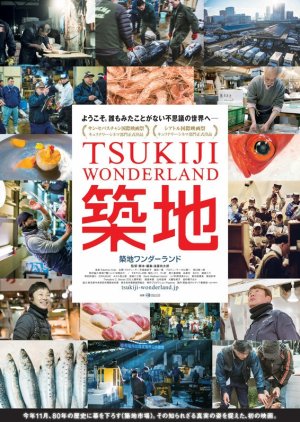
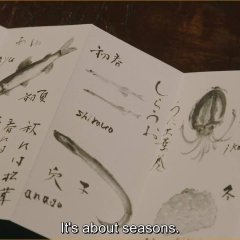
The Tsukiji Market, which is called "Japan's Lively Kitchen", is the biggest wholesale fish and seafood market in the world. The market was built about 80 years ago, when it has moved from Nihonbashi area to Tsukiji area in central Tokyo. It continues to attract people throughout its rich history. Fish and seafood from Tsukiji begins to color the Japanese tables and functions as the core of "Washoku", the Japanese cuisine which is added to the UNESCO Representative List of the Intangible Cultural Heritage of Humanity in 2012. This film will show you the passion of people in Tsukiji and the important essence of Japanese traditional cuisine. Documentary shows the various sides of Tsukiji Market over a period of 1 year, as well the fishes that are sold there throughout the four seasons. Edit Translation
- English
- 中文(台灣)
- magyar / magyar nyelv
- dansk
- Native Title: 築地ワンダーランド
- Also Known As: Tsukiji Wonderland , 築地市場:和食之心
- Director: Endo Shotaro
- Genres: Food, Documentary
Where to Watch Tsukiji Wonderland

Subscription


Photos

Reviews

However, squeamish people should maybe approach this one with caution. We see fish being killed and filleted in close-ups; even I, who is not normally fazed, felt vaguely uncomfortable when the vendors used a thin rod and pushed it into the fish to crush their spines (so they'd be paralysed but still alive).
The films looks at the different kinds of vendors and workers who work at Tsukiji Fish Market, which is the largest and most important fish market in Japan. We get to see their work day (rather: night), and, more importantly, their relationships with each other: While yes, there's a rivalry going on, the workers and vendors are also aware that they are dependent from each other -- not only vertically (from wholesaler to grocer to consumer) but also horizontally; because in the end, they are all dependent on the market's good reputation.
Of course, the docu also shows the famous Japanese working spirit, the pride in providing excellent service and products and all the traditions that come with it. However, it doesn't hide that new eating habits of the Japanese people as well as the declining birth rates have already changed the market, and a further decline is expected.
One thing to know is that this docu was made in 2016, so ten years ago. Near the end, they tell us that there are changes coming to the market (if I understood it correctly, the wanted to built a new market?). I wonder how Tsukiji market is doing nowadays?
There is only one aspect I wasn't too fond of: That the narrator spoke English, not Japanese. For me, this disrupts the general vibe and it's not needed at all, especially since everything else was in Japanese and we need the subtitles anyway.
Personally, I would have loved to see even more of the behind-the-scenes and the history of the building but that's not a complaint, because we get to see plenty already.
Recommended.
Was this review helpful to you?
Recommendations
There have been no recommendations submitted. Be the first and add one.


![[Japanese festival films]](https://i.mydramalist.com/xkyBXt.jpg)
![[Japanese festival films]](https://i.mydramalist.com/RABk6t.jpg)
![[Japanese festival films]](https://i.mydramalist.com/gZqj1t.jpg)
![[Japanese festival films]](https://i.mydramalist.com/BxLL5t.jpg)
![[Japanese festival films]](https://i.mydramalist.com/3LjWVt.jpg)