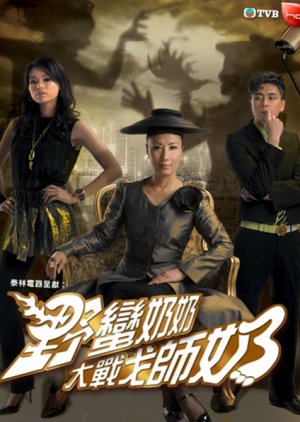
Although Wars of In-Laws (2005) and Wars of In-Laws II (2008) are not a direct story continuation, they're considered indirect sequels. They retain the same central cast but tell a new story in a different era.
Here are the biggest similarities: 1. The Same Three Leads Both dramas are anchored by:
Liza Wang
Myolie Wu
Bosco Wong Even though they portray different characters in the second series, the chemistry between the trio remains the heart of both shows. 2. Mother-in-Law vs. Daughter-in-Law Rivalry
The central conflict in both dramas is the battle between: A strong, domineering mother-in-law.
An independent, spirited daughter-in-law. The son is constantly caught in the middle, creating both hilarious misunderstandings and heartfelt moments.
3. Comedy with Emotion Both series balance: Family comedy
Romantic moments
Emotional reconciliation
Lessons about understanding and forgiveness They never stay purely comedic for long—each eventually explores how the family members learn to respect one another.
4. Strong Female Characters Both feature women who are: Intelligent
Strong-willed
Stubborn
Capable of growth Neither the mother-in-law nor the daughter-in-law is portrayed as entirely right or wrong; both evolve over the course of the story. 5. Slow Character Growth Rather than changing overnight, the relationships improve gradually. Mutual respect is earned through shared experiences, misunderstandings, and sacrifices.
6. Bosco Wong's Character In both dramas, Bosco Wong plays the son who deeply loves both his wife and his mother. He's often the peacemaker trying to resolve their conflicts, even though the specifics of his character differ between the two series.
Here are the biggest similarities: 1. The Same Three Leads Both dramas are anchored by:
Liza Wang
Myolie Wu
Bosco Wong Even though they portray different characters in the second series, the chemistry between the trio remains the heart of both shows. 2. Mother-in-Law vs. Daughter-in-Law Rivalry
The central conflict in both dramas is the battle between: A strong, domineering mother-in-law.
An independent, spirited daughter-in-law. The son is constantly caught in the middle, creating both hilarious misunderstandings and heartfelt moments.
3. Comedy with Emotion Both series balance: Family comedy
Romantic moments
Emotional reconciliation
Lessons about understanding and forgiveness They never stay purely comedic for long—each eventually explores how the family members learn to respect one another.
4. Strong Female Characters Both feature women who are: Intelligent
Strong-willed
Stubborn
Capable of growth Neither the mother-in-law nor the daughter-in-law is portrayed as entirely right or wrong; both evolve over the course of the story. 5. Slow Character Growth Rather than changing overnight, the relationships improve gradually. Mutual respect is earned through shared experiences, misunderstandings, and sacrifices.
6. Bosco Wong's Character In both dramas, Bosco Wong plays the son who deeply loves both his wife and his mother. He's often the peacemaker trying to resolve their conflicts, even though the specifics of his character differ between the two series.