 Editorials
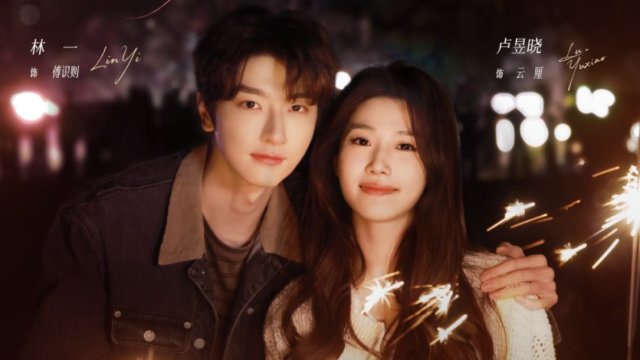

Both has huge flaws but you watch it anyway.
Fantasy-driven romance
Both use fantastical premises to kickstart relationships that wouldn’t happen in ordinary life.
Contractual / conditional relationships
Each story begins with a deal or condition rather than pure romance, then evolves into genuine feelings.
Comedy mixed with emotional depth
Both dramas start lighthearted, with culture shock or magical hijinks.
As the story progresses, they shift into heavier themes of destiny, sacrifice, and emotional struggle.
Themes of fate and inevitability
Both ask: Is love a choice, or is it bound by fate?
Fantasy-driven romance
Both use fantastical premises to kickstart relationships that wouldn’t happen in ordinary life.
Contractual / conditional relationships
Each story begins with a deal or condition rather than pure romance, then evolves into genuine feelings.
Comedy mixed with emotional depth
Both dramas start lighthearted, with culture shock or magical hijinks.
As the story progresses, they shift into heavier themes of destiny, sacrifice, and emotional struggle.
Themes of fate and inevitability
Both ask: Is love a choice, or is it bound by fate?




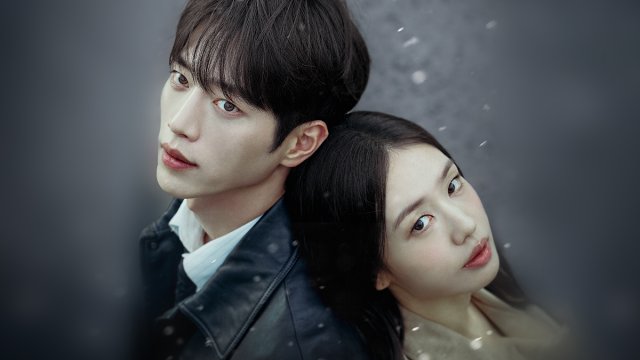
Both are romances between a supernatural ML (cupid vs. genie) and a human FL who is missing something that limits her ability to interact with others (lacking emotions vs. lacking a red thread that would let her find love). In both dramas it's revealed later on that the leads knew and loved each other in a past life that ended tragically with the FL's death and they've now lost memories of.
See You in My 19th Life earned 9/10. Genie although causing offensive, could be 7.5/10
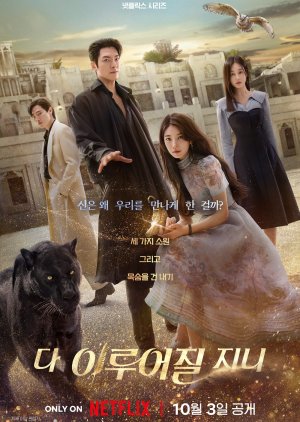
Genie, Make a Wish and See You in My 19th Life both blend fantasy with heartfelt romance, using supernatural elements to explore love and destiny.
If you enjoyed the emotional pull and imaginative premise of one, the other offers a similar mix of magical circumstances and character?driven storytelling.
Both were developed under the umbrella of Studio Dragon, which explains why they feel stylistically similar.
Genie, Make a Wish and See You in My 19th Life both blend fantasy with heartfelt romance, using supernatural elements to explore love and destiny.
If you enjoyed the emotional pull and imaginative premise of one, the other offers a similar mix of magical circumstances and character?driven storytelling.
Both were developed under the umbrella of Studio Dragon, which explains why they feel stylistically similar.
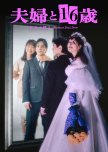
Kind-hearted and handsome office worker Nomura Hiro and his cheerful, energetic wife Nomura Sae, a former hostess, are enjoying newlywed life in a small apartment. However, Hiro has grown frustrated with Sae, who struggles with cooking and housework and tends to run back to her parents’ home whenever they argue.
In the middle of one such marital dispute, a new neighbor, Shiraishi Miko, moves into the apartment next door and comes by to introduce herself. Instantly smitten with the kind and handsome Hiro, Miko begins sharing homemade dishes with him, and before long, they grow closer. She helps with household chores, nurses him when he is sick, and visits his apartment almost every day.
Hiro comes to find comfort in Miko’s devoted care, which feels almost maternal. Although he is occasionally puzzled by her strange remarks and awkward conversations that never quite seem to connect, their friendship continues to deepen.
As Miko becomes increasingly attracted to Hiro, a shocking secret is revealed: despite seeing herself as a beautiful sixteen-year-old girl, Miko is actually a 61-year-old woman. Even knowing that Hiro is married, Miko adopts the philosophy of “If you love someone, take them,” and launches one romantic scheme after another against the Nomura couple. What begins as innocent affection gradually spirals into a dangerous obsession, unleashing a madness disguised as pure love.
In the middle of one such marital dispute, a new neighbor, Shiraishi Miko, moves into the apartment next door and comes by to introduce herself. Instantly smitten with the kind and handsome Hiro, Miko begins sharing homemade dishes with him, and before long, they grow closer. She helps with household chores, nurses him when he is sick, and visits his apartment almost every day.
Hiro comes to find comfort in Miko’s devoted care, which feels almost maternal. Although he is occasionally puzzled by her strange remarks and awkward conversations that never quite seem to connect, their friendship continues to deepen.
As Miko becomes increasingly attracted to Hiro, a shocking secret is revealed: despite seeing herself as a beautiful sixteen-year-old girl, Miko is actually a 61-year-old woman. Even knowing that Hiro is married, Miko adopts the philosophy of “If you love someone, take them,” and launches one romantic scheme after another against the Nomura couple. What begins as innocent affection gradually spirals into a dangerous obsession, unleashing a madness disguised as pure love.