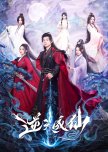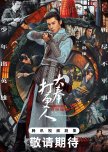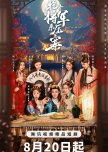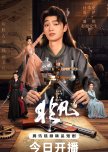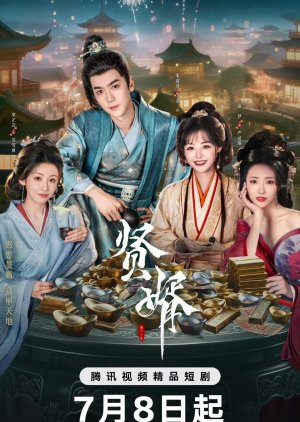

*The Imperial Master* and *Royal Upstart* share many similarities because both belong to the genre of historical fantasy dramas where a modern person uses their knowledge and ideas to change the ancient world.
The biggest similarity is the concept of a protagonist who enters an ancient society and uses modern thinking as their greatest advantage. Instead of relying only on strength, martial arts, or traditional status, the main characters succeed because they understand ideas that are far ahead of their time. Their knowledge of technology, business, management, and problem-solving allows them to stand out among people from the ancient era.
Both dramas also feature protagonists who are initially underestimated. They start in situations where others look down on them or consider them insignificant, but they gradually prove their abilities through their achievements. As they introduce new ideas and solve difficult problems, powerful figures begin to recognize their value.
Another similarity is the modernization aspect. In *Royal Upstart*, the protagonist uses modern concepts to improve businesses, create new products, and influence society. Similarly, *The Imperial Master* focuses on using advanced thinking to improve administration, development, and the lives of ordinary people. Both stories show how a single person's knowledge can accelerate progress in an ancient world.
Both dramas also share the same satisfying "turning the tables" feeling. Characters who once mocked or ignored the protagonist eventually become impressed by their intelligence and achievements. Watching ancient people react with surprise to ideas that seem impossible for their era is one of the main sources of entertainment.
However, the focus of each drama is different. *Royal Upstart* places more emphasis on entrepreneurship, romance, and social influence, while *The Imperial Master* focuses more on politics, governance, and the role of an advisor who helps shape the future of a kingdom.
Overall, both dramas deliver the same fantasy: a modern person using knowledge from the future to rise from an ordinary position and become someone who changes history.
The biggest similarity is the concept of a protagonist who enters an ancient society and uses modern thinking as their greatest advantage. Instead of relying only on strength, martial arts, or traditional status, the main characters succeed because they understand ideas that are far ahead of their time. Their knowledge of technology, business, management, and problem-solving allows them to stand out among people from the ancient era.
Both dramas also feature protagonists who are initially underestimated. They start in situations where others look down on them or consider them insignificant, but they gradually prove their abilities through their achievements. As they introduce new ideas and solve difficult problems, powerful figures begin to recognize their value.
Another similarity is the modernization aspect. In *Royal Upstart*, the protagonist uses modern concepts to improve businesses, create new products, and influence society. Similarly, *The Imperial Master* focuses on using advanced thinking to improve administration, development, and the lives of ordinary people. Both stories show how a single person's knowledge can accelerate progress in an ancient world.
Both dramas also share the same satisfying "turning the tables" feeling. Characters who once mocked or ignored the protagonist eventually become impressed by their intelligence and achievements. Watching ancient people react with surprise to ideas that seem impossible for their era is one of the main sources of entertainment.
However, the focus of each drama is different. *Royal Upstart* places more emphasis on entrepreneurship, romance, and social influence, while *The Imperial Master* focuses more on politics, governance, and the role of an advisor who helps shape the future of a kingdom.
Overall, both dramas deliver the same fantasy: a modern person using knowledge from the future to rise from an ordinary position and become someone who changes history.