
 Editorials


This review may contain spoilers
Lovebirds with the communication skills of sworn enemies
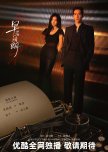
The Early Spring was such an unexpected dark horse for me. It wasn’t even on my watchlist; I simply wandered in after a few episodes and, unfortunately, never found my way back out. The story itself is nothing revolutionary—secret relationship, workplace romance, separation, reunion, the usual collection of emotional inconveniences. Yet somehow, this drama made all of it feel addictive. The chemistry, acting, direction, wardrobe, and overall execution carried what could have been a very ordinary story into something I became embarrassingly invested in. And then there is Luan Nian, a man who appears to have been gifted every possible advantage except the ability to communicate like a normal human being. He is straightforward, sharp-tongued, emotionally constipated, and occasionally seems to regard empathy as an optional software update. His mouth says something cruel while his actions quietly whisper I love you. He transferred to the US branch rather than let Shang Zhitao lose her job because he didn’t want their relationship to damage her reputation. He gave her the highest score for her specialist evaluation and simply… let her believe he had given her the lowest. When their relationship threatened her career, he was willing to resign or transfer so she could stay. What a considerate man. What an absolutely terrible communicator. Luan Nian really is the Chinese national flag: a red flag with five stars. And I still cannot understand how some people looked at this man and concluded “green flag.” Jing Boran himself basically told us to run if we ever met someone like Luan Nian in real life, which feels like the actor trying to save us from the consequences of our own poor judgment.
That said, I actually loved that the drama slowly let us understand where all that unpleasantness came from. The New Year family scenes revealed someone who grew up learning that affection could be absent, conditional, or simply expressed badly. He was left alone while his parents worked, heard words that stayed with him, and eventually learned harshness as a kind of emotional language. Even the people who pursued him seemed to love the polished version of him until they encountered the difficult parts and left, quietly confirming his fear that perhaps everyone eventually does. So when Shang Zhitao tells him she needs more support, more thoughtful words, more reassurance, we finally see him learning that loving someone cannot always be done silently. His growth is subtle but meaningful: he begins to regret the things he says, to understand that words can hurt, and eventually asks, “Have you ever missed me?” rather than simply asking whether she misses him. Such a small change, and yet somehow it says everything about his insecurity. The man who looks so certain of himself is quietly wondering whether he is loved as deeply as he loves.
Shang Zhitao, meanwhile, is almost painfully ordinary—in the best and worst ways. She is inexperienced, innocent, from the Northwest, and stepping into a prestigious Beijing company while standing beside someone who seems to have already won at life. Luan Nian is successful, wealthy, brilliant, intimidating, and apparently capable of casually snowboarding in Switzerland while she is still trying to establish herself. Her desire to keep their relationship secret was never really about being ashamed of him. She simply wanted her career to belong to her. She didn’t want anyone thinking she had climbed the ladder because she was sleeping with the boss, and that insecurity slowly became its own little monster. Sometimes her reactions felt harsher than I expected, especially because the drama softened Luan Nian considerably from his apparently much more manipulative novel counterpart. Some of her reactions therefore feel like they belong to a slightly redder version of him. Still, I understood her. Their biggest enemy was never another woman or another man. It was two people desperately trying to protect each other by refusing to say what they actually needed. A very noble strategy, naturally, if the goal was to make everything worse.
Which is why I’m actually glad they separated. Painful as it was—and oh, did I enjoy watching Luan Nian cry his eyes out—the three years apart felt necessary. He needed to learn how to love someone with words as well as actions, while Shang Zhitao needed to build her own confidence, career, and sense of worth outside of him. The separation taught her how deeply he loved her, while teaching him how to properly treat someone he couldn’t bear to lose. I only wish we had been given more after the reunion: meeting his family, marriage, children, all those little domestic moments that would have made the journey feel more complete. Apparently the drama was cut from 32 episodes to 24, and somewhere in those missing eight episodes is probably the peaceful life I was owed. I would like them back, respectfully.
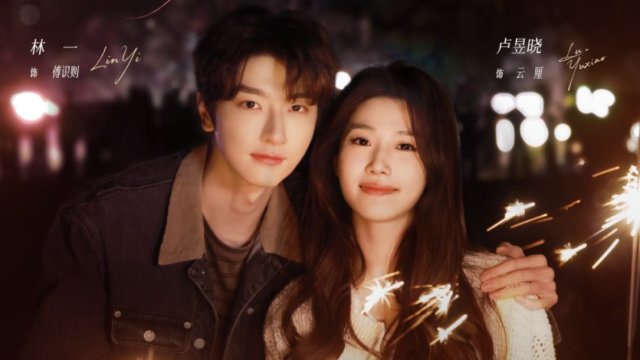
But the true reason this drama worked was never the plot. It was Jing Boran and Sun Qian. Their chemistry is absurdly natural—the kind that lives in glances, pauses, body language, tiny reactions, and all the things characters don’t say out loud. They genuinely feel like two people who have been tangled in each other’s lives for years. Jing Boran completely inhabited Luan Nian; his poker face, fashion, tsundere energy, and those microscopic changes in expression did half the emotional dialogue for him. And apparently he brought around 120 pieces of his own wardrobe or personally handpicked a lot of his outfits, which explains why Luan Nian consistently looked like he had a private appointment with the fashion gods. We believe in the king of fashion taste. Sun Qian was equally lovely as Shang Zhitao, especially with those innocent, vulnerable expressions she does so well. Even the camera direction deserves applause—the way some intimate scenes were framed made them feel unexpectedly sensual without needing to do much at all. Whoever thought of those angles, I hope you know I noticed. And can we please appreciate the OST placement? The soundtrack knows exactly when to arrive. There were moments when that special track started playing and you could already predict what was coming next. At this point, the OST was basically the drama’s personal fortune teller. The music would start and I’d be like, oh no… here we go.
For all its flaws, The Early Spring is a drama I’m strangely grateful for. The production apparently started as a relatively modest project, with plenty of indoor filming and some very questionable CGI whenever we suddenly arrived in Phuket or Norway. And yet, somehow, the drama grew far beyond what it seemed destined to be. The story is familiar. The timeline is occasionally confusing enough to make me wonder which year we were apparently living in. But the execution, the performances, the chemistry, and the direction gave it a heartbeat. No unnecessary love triangle, no exhausting second-lead romance—just two insecure people repeatedly failing to communicate while loving each other very much.
That said, I actually loved that the drama slowly let us understand where all that unpleasantness came from. The New Year family scenes revealed someone who grew up learning that affection could be absent, conditional, or simply expressed badly. He was left alone while his parents worked, heard words that stayed with him, and eventually learned harshness as a kind of emotional language. Even the people who pursued him seemed to love the polished version of him until they encountered the difficult parts and left, quietly confirming his fear that perhaps everyone eventually does. So when Shang Zhitao tells him she needs more support, more thoughtful words, more reassurance, we finally see him learning that loving someone cannot always be done silently. His growth is subtle but meaningful: he begins to regret the things he says, to understand that words can hurt, and eventually asks, “Have you ever missed me?” rather than simply asking whether she misses him. Such a small change, and yet somehow it says everything about his insecurity. The man who looks so certain of himself is quietly wondering whether he is loved as deeply as he loves.
Shang Zhitao, meanwhile, is almost painfully ordinary—in the best and worst ways. She is inexperienced, innocent, from the Northwest, and stepping into a prestigious Beijing company while standing beside someone who seems to have already won at life. Luan Nian is successful, wealthy, brilliant, intimidating, and apparently capable of casually snowboarding in Switzerland while she is still trying to establish herself. Her desire to keep their relationship secret was never really about being ashamed of him. She simply wanted her career to belong to her. She didn’t want anyone thinking she had climbed the ladder because she was sleeping with the boss, and that insecurity slowly became its own little monster. Sometimes her reactions felt harsher than I expected, especially because the drama softened Luan Nian considerably from his apparently much more manipulative novel counterpart. Some of her reactions therefore feel like they belong to a slightly redder version of him. Still, I understood her. Their biggest enemy was never another woman or another man. It was two people desperately trying to protect each other by refusing to say what they actually needed. A very noble strategy, naturally, if the goal was to make everything worse.
Which is why I’m actually glad they separated. Painful as it was—and oh, did I enjoy watching Luan Nian cry his eyes out—the three years apart felt necessary. He needed to learn how to love someone with words as well as actions, while Shang Zhitao needed to build her own confidence, career, and sense of worth outside of him. The separation taught her how deeply he loved her, while teaching him how to properly treat someone he couldn’t bear to lose. I only wish we had been given more after the reunion: meeting his family, marriage, children, all those little domestic moments that would have made the journey feel more complete. Apparently the drama was cut from 32 episodes to 24, and somewhere in those missing eight episodes is probably the peaceful life I was owed. I would like them back, respectfully.
But the true reason this drama worked was never the plot. It was Jing Boran and Sun Qian. Their chemistry is absurdly natural—the kind that lives in glances, pauses, body language, tiny reactions, and all the things characters don’t say out loud. They genuinely feel like two people who have been tangled in each other’s lives for years. Jing Boran completely inhabited Luan Nian; his poker face, fashion, tsundere energy, and those microscopic changes in expression did half the emotional dialogue for him. And apparently he brought around 120 pieces of his own wardrobe or personally handpicked a lot of his outfits, which explains why Luan Nian consistently looked like he had a private appointment with the fashion gods. We believe in the king of fashion taste. Sun Qian was equally lovely as Shang Zhitao, especially with those innocent, vulnerable expressions she does so well. Even the camera direction deserves applause—the way some intimate scenes were framed made them feel unexpectedly sensual without needing to do much at all. Whoever thought of those angles, I hope you know I noticed. And can we please appreciate the OST placement? The soundtrack knows exactly when to arrive. There were moments when that special track started playing and you could already predict what was coming next. At this point, the OST was basically the drama’s personal fortune teller. The music would start and I’d be like, oh no… here we go.
For all its flaws, The Early Spring is a drama I’m strangely grateful for. The production apparently started as a relatively modest project, with plenty of indoor filming and some very questionable CGI whenever we suddenly arrived in Phuket or Norway. And yet, somehow, the drama grew far beyond what it seemed destined to be. The story is familiar. The timeline is occasionally confusing enough to make me wonder which year we were apparently living in. But the execution, the performances, the chemistry, and the direction gave it a heartbeat. No unnecessary love triangle, no exhausting second-lead romance—just two insecure people repeatedly failing to communicate while loving each other very much.
Was this review helpful to you?


