




This review may contain spoilers
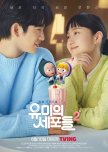
The Perfect Ending for Yumi
Thanks to Soon Rok, Yumi slowly starts recovering the emotions that had been asleep for years. What I love most about him is that he truly understands her. He never tries to change who she is he simply accepts her and makes her feel safe.
The little things he does for her completely won me over. Helping her calm down after the car incident, painting her portrait because he thought she looked beautiful, and running through the rain just to catch up with her after going back for an umbrella... Those small gestures made their relationship feel so genuine.
Soon Rok is honestly so relatable. He loves staying at home, hates crowded places, and is constantly running on low social battery. His Cells Village might actually be my favorite—it was so beautiful artistically and perfectly reflected his personality.
One of my favorite moments was seeing Yumi's Love Cell come back with just a single smile from Soon Rok. It showed that the feelings she had buried for years were never truly gone; they were simply waiting for the right person to awaken them again.
I also loved how protective Soon Rok was. Whenever that idiot Jo Ho kept trying to find excuses to get close to Yumi and make her uncomfortable, Soon Rok was always there for her. And that fight? Absolutely legendary. Soon Rok, I love you.
YUMI ATE THIS SEASON. She was confident, successful, independent, and finally knew exactly what she wanted. Watching her growth from Season 1 until the finale has been one of the most satisfying character arcs I've seen in a K-drama.
Their relationship is one of the most beautiful romances I've watched. They don't fall in love instantly—in fact, they don't even like each other at first. But little by little, through understanding, trust, and countless small moments, they naturally fall in love. And after everything Yumi had been through, seeing her finally get married and find someone who truly understands her made the ending feel incredibly rewarding.
Without a doubt, this was my favorite season. I'll really miss this drama, but most of all, I'll miss Yumi.
Was this review helpful to you?
This review may contain spoilers
When Love Isn't Enough
One thing that never sat right with me was how Babi kept pursuing Yumi before and even after she had been in a relationship. When Yumi rejected him, he handled it immaturely instead of respecting her decision and moving on.In the end, even though Yumi's Love Cell tried to resist, her entire village slowly surrendered to Babi. The way he found his place in Yumi's heart wasn't my favorite, and I honestly think it could have been handled much better.
Despite that, I can't deny that the beginning of their relationship was incredibly sweet. Watching Yumi slowly open her heart again after everything she went through with Woong was heartwarming. Babi seemed like the perfect boyfriend: caring, attentive, supportive, and someone who encouraged Yumi to pursue her dream of becoming a writer.
Seeing Woong again completely caught me off guard. I had missed him so much. Watching him replay his memories with Yumi and imagine fixing all the mistakes he made in their relationship was heartbreaking. It reminded me why I fell in love with them as a couple in Season 1.
And then seeing him quietly buy every single one of Yumi's books... that scene genuinely broke me.
For most of the season, Babi appears to be the perfect boyfriend. However, everything changes when Da Eun makes her feelings for him obvious. Although Babi never physically cheats, his feelings begin to waver, and that's when the relationship starts falling apart.
To me, emotional attraction while you're in a committed relationship is already crossing a line. You don't have to kiss someone for trust to be broken. The moment your heart starts looking at someone else differently, something has already changed.
Another moment that really stood out to me was when Yumi asked Babi when he first started liking her. He answered that he wasn't sure, but inside the Cells Village, we see a scroll being burned, heavily implying that his feelings for Yumi may have started while he was still dating someone else. That small detail completely changed the way I viewed his character.
Dae Yong was definitely a little creepy at times, but he was also incredibly funny and surprisingly lovable. He ended up becoming one of my favorite side characters.
Fun fact: In the original webtoon, Babi and the intern eventually get married.
I don't think Babi was a bad boyfriend. He truly supported Yumi, believed in her talent, and helped her rediscover her passion for writing. His biggest mistake wasn't physical infidelity—it was allowing his feelings to drift toward someone else, breaking the trust that held their relationship together.
What I loved most about this season is that it isn't really about choosing who was the "better boyfriend." It's about showing that love and trust aren't the same thing. You can still love someone deeply, but once your trust has been broken, those feelings may never be enough to save the relationship.
That's why Yumi's reaction near the end is so meaningful. When Da Eun calls Babi, she doesn't feel jealous, anxious, or afraid anymore. She simply feels at peace. In that moment, it's clear she has already let him go emotionally, even before the relationship officially ends.
As for Woong, I'll always have a soft spot for him. I honestly wish Yumi had given him a second chance. He wasn't perfect, but he learned from his mistakes, reflected on them, and genuinely wanted to become a better person. Whether they would have worked out or not, I think he deserved that opportunity.
Was this review helpful to you?

This review may contain spoilers
ABOUT YUMI AND UNG
I absolutely loved Yumi's Cells Season 1. The highlight of the drama was definitely the cells. They're such a unique and creative concept, and they made every episode so much more enjoyable. They were funny, adorable, and brought so much life to Yumi's emotions and inner thoughts.As for Yumi and Woong, I really wanted them to end up together. Their relationship felt genuine, and you could tell they truly loved each other. However, love alone wasn't enough. Woong never established clear boundaries with Sae Yi, even though he knew she had feelings for him, and that slowly created trust issues. On top of that, both Yumi and Woong struggled with communication. They avoided difficult conversations, especially when it came to marriage and their future together.
Yumi's insecurities and tendency to overthink only made the misunderstandings worse. Watching them fall apart was heartbreaking, but at the same time, I think their breakup was the right choice. Sometimes two people can love each other deeply and still not be right for each other.
Even though they didn't get the ending I hoped for, they'll always be one of my favorite couples because they represent that unforgettable first love—the kind that changes you forever, even if it doesn't last.
Was this review helpful to you?
This review may contain spoilers
What can I say about this drama?...
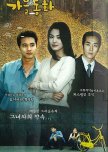
Autumn in my hearth is a classic melodrama that stands out more for the pain it causes than for the strength of its storytelling. The drama successfully builds a tragic atmosphere and knows how to emotionally break the viewer, using illness, fate, and impossible love as its core elements. However, much of that emotional impact comes from frustrating narrative choices and poorly managed characters.The main issue is Jun Seo, an emotionally irresponsible male lead. He never truly moves on from his childhood love, breaks commitments, and drags others into his emotional chaos without taking responsibility. As a romantic partner and main lead, he consistently fails: he feels deeply, but acts very little. His love is rooted more in obsession and suffering than in genuine care.
Eun Seo is a tragic but deeply indecisive character. While her story is moving, her lack of honesty becomes cruel, especially toward Taek Suk, whom she never fully lets go, allowing him to keep hoping for a love she cannot return. This emotional ambiguity feels painful rather than romantic.
The true emotional core of the drama is Taek Suk, without a doubt the most consistent and well-written character. He loves through actions, not words. He protects, supports, and sacrifices himself even when it means breaking himself apart. His story represents unconditional love in its saddest form, and the drama punishes him for being good, resulting in severe second lead syndrome.
Eun Seo’s death is devastating and narratively effective. It does not feel like a cheap shock, but rather the inevitable conclusion of a story defined by suffering. It hurts not only for her, but also for those who loved her—even those who failed to love her properly.
In conclusion, Autumn in My Heart is not a healthy love story, but a tale of emotional mismanagement and inevitable pain. It is frustrating, unfair, and emotionally exhausting, yet memorable enough to leave a lasting impression.
Was this review helpful to you?


