



A World I Didn't Want to Leave Behind
Some dramas tell a beautiful story. Others impress through visuals or star performances. Very few manage to combine writing, directing, acting, music, emotional impact, visual beauty, and psychological depth into a truly exceptional work. For me, Pursuit of Jade belongs firmly in that rare category.
What stands out immediately is the extraordinary level of care devoted to every detail. Nothing feels accidental. Every character, from the central protagonists to the smallest supporting roles, serves a meaningful purpose within the narrative. Every relationship contributes to the larger story, and every decision carries believable consequences.
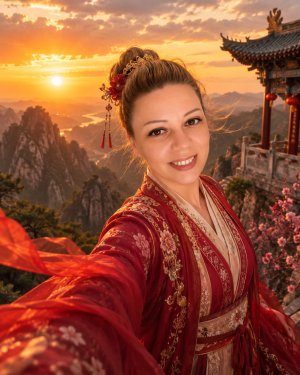
Beyond its narrative achievements, Pursuit of Jade succeeds in accomplishing something increasingly rare in contemporary storytelling: it creates a world the viewer genuinely wishes to inhabit. The visual beauty of the production is not merely decorative. Through its cinematography, costumes, landscapes, music, and atmosphere, the drama offers a form of emotional escape that many modern productions neglect. While realism remains valuable, art also serves another purpose: it allows us to step outside the limitations of everyday life and experience beauty, hope, courage, and meaning through different eyes. Pursuit of Jade understands this deeply. It does not simply depict a world; it invites the audience to live within it for a time.
At the heart of the drama is Xie Zheng, the Marquis of Wu'an, portrayed brilliantly by Zhang Linghe. Introduced as a seemingly fragile and restrained scholar, he gradually reveals himself to be one of the most layered and compelling characters in recent Chinese historical drama. He is simultaneously strategist, warrior, survivor, and victim of his own pursuit of justice. Torn between love and revenge, duty and personal happiness, he embodies the tragic complexity that defines the series.
Zhang Linghe delivers what may be one of the finest performances of his career. His greatest strength lies not in grand speeches but in subtle expression. Through silence, restraint, and nuanced emotional control, he communicates grief, loyalty, determination, and heartbreak with remarkable authenticity.
One aspect that deserves special recognition is the courage and vision of the casting team and director in entrusting Zhang Linghe with a character as demanding as Xie Zheng. This role requires far more than screen presence or charisma. It demands the ability to portray the psychological weight of war, grief, responsibility, sacrifice, vengeance, love, and moral conflict.
For that reason, his achievement becomes even more remarkable. At an age when many actors are still discovering their artistic identity, Zhang Linghe delivers a performance that convincingly embodies experiences most people never face in an entire lifetime. Whether this accomplishment stems purely from his own dedication and talent or was further shaped by the guidance of an exceptional director and creative team, the result remains extraordinary.
The individuals who recognized his potential and entrusted him with such a challenging role deserve sincere congratulations. In my view, the outcome is not only one of the strongest performances within the drama itself but also the most significant artistic achievement of his career so far. While I cannot claim to have seen every project in his filmography, it is difficult to imagine another role that showcases his emotional intelligence, discipline, restraint, and expressive depth more effectively.
Alongside him, Tian Xiwei gives Fan Changyu extraordinary depth. Initially introduced as a strong-willed butcher, she evolves into a symbol of resilience, courage, and emotional strength. The relationship between Fan Changyu and Xie Zheng is one of the drama's greatest achievements. Rather than relying on idealized romance, it develops through trust, sacrifice, conflict, and personal growth.
The supporting relationships are equally compelling. The storyline involving Qi Min and Yu Qianqian adds warmth and tenderness, while the dynamic between Princess Royal Qi Shu and the strategist Gongsun Yin introduces intellectual and emotional sophistication. Their interactions demonstrate that love can emerge between people united not only by affection but also by mutual respect and understanding.
Politically, the drama excels. The struggle involving the Emperor, Prime Minister Wei Yan, rival factions, and hidden heirs is far more than palace intrigue. It becomes a powerful exploration of power, corruption, loyalty, and the devastating human cost of political ambition.
The historical backdrop is handled with impressive maturity. Warfare is not glorified but portrayed as a source of trauma, sacrifice, and irreversible loss. The series succeeds in blending historical inspiration with modern emotional accessibility.
Another strength is its balance of drama and humor. The comedic moments never undermine the seriousness of the narrative. Instead, they provide relief, enrich the characters, and make the emotional highs and lows even more effective.
The musical score deserves special praise. Rather than simply accompanying the story, it elevates it. The soundtrack enhances both the romantic and tragic elements, creating unforgettable emotional resonance.
Most importantly, Pursuit of Jade demonstrates an exceptional understanding of human psychology. Nearly every major character carries emotional wounds. Themes of revenge, grief, duty, survival, loyalty, sacrifice, and resilience are explored with remarkable depth and sensitivity.
The result is a drama that functions simultaneously as a historical epic, political thriller, romance, and character study.
Pursuit of Jade is more than a successful television series. It is proof that serialized storytelling can achieve the emotional and artistic power of great cinema when exceptional writing, directing, acting, music, cinematography, and production design come together in harmony. It stands as one of the most emotionally powerful and narratively sophisticated Chinese historical dramas of recent years.
Beyond his appearance or popularity, what ultimately remains with the audience is the impression of an actor who succeeded in creating a fully realized human being—someone shaped by suffering, loyalty, contradictions, vulnerability, and hope. That is the kind of performance that endures long after the final episode ends.
As a Romanian viewer, I rarely write long reviews. Pursuit of Jade made me do so because it stayed with me long after the final episode.
English is not my first language, but I wanted to share how deeply this drama affected me.
What stands out immediately is the extraordinary level of care devoted to every detail. Nothing feels accidental. Every character, from the central protagonists to the smallest supporting roles, serves a meaningful purpose within the narrative. Every relationship contributes to the larger story, and every decision carries believable consequences.
Beyond its narrative achievements, Pursuit of Jade succeeds in accomplishing something increasingly rare in contemporary storytelling: it creates a world the viewer genuinely wishes to inhabit. The visual beauty of the production is not merely decorative. Through its cinematography, costumes, landscapes, music, and atmosphere, the drama offers a form of emotional escape that many modern productions neglect. While realism remains valuable, art also serves another purpose: it allows us to step outside the limitations of everyday life and experience beauty, hope, courage, and meaning through different eyes. Pursuit of Jade understands this deeply. It does not simply depict a world; it invites the audience to live within it for a time.
At the heart of the drama is Xie Zheng, the Marquis of Wu'an, portrayed brilliantly by Zhang Linghe. Introduced as a seemingly fragile and restrained scholar, he gradually reveals himself to be one of the most layered and compelling characters in recent Chinese historical drama. He is simultaneously strategist, warrior, survivor, and victim of his own pursuit of justice. Torn between love and revenge, duty and personal happiness, he embodies the tragic complexity that defines the series.
Zhang Linghe delivers what may be one of the finest performances of his career. His greatest strength lies not in grand speeches but in subtle expression. Through silence, restraint, and nuanced emotional control, he communicates grief, loyalty, determination, and heartbreak with remarkable authenticity.
One aspect that deserves special recognition is the courage and vision of the casting team and director in entrusting Zhang Linghe with a character as demanding as Xie Zheng. This role requires far more than screen presence or charisma. It demands the ability to portray the psychological weight of war, grief, responsibility, sacrifice, vengeance, love, and moral conflict.
For that reason, his achievement becomes even more remarkable. At an age when many actors are still discovering their artistic identity, Zhang Linghe delivers a performance that convincingly embodies experiences most people never face in an entire lifetime. Whether this accomplishment stems purely from his own dedication and talent or was further shaped by the guidance of an exceptional director and creative team, the result remains extraordinary.
The individuals who recognized his potential and entrusted him with such a challenging role deserve sincere congratulations. In my view, the outcome is not only one of the strongest performances within the drama itself but also the most significant artistic achievement of his career so far. While I cannot claim to have seen every project in his filmography, it is difficult to imagine another role that showcases his emotional intelligence, discipline, restraint, and expressive depth more effectively.
Alongside him, Tian Xiwei gives Fan Changyu extraordinary depth. Initially introduced as a strong-willed butcher, she evolves into a symbol of resilience, courage, and emotional strength. The relationship between Fan Changyu and Xie Zheng is one of the drama's greatest achievements. Rather than relying on idealized romance, it develops through trust, sacrifice, conflict, and personal growth.
The supporting relationships are equally compelling. The storyline involving Qi Min and Yu Qianqian adds warmth and tenderness, while the dynamic between Princess Royal Qi Shu and the strategist Gongsun Yin introduces intellectual and emotional sophistication. Their interactions demonstrate that love can emerge between people united not only by affection but also by mutual respect and understanding.
Politically, the drama excels. The struggle involving the Emperor, Prime Minister Wei Yan, rival factions, and hidden heirs is far more than palace intrigue. It becomes a powerful exploration of power, corruption, loyalty, and the devastating human cost of political ambition.
The historical backdrop is handled with impressive maturity. Warfare is not glorified but portrayed as a source of trauma, sacrifice, and irreversible loss. The series succeeds in blending historical inspiration with modern emotional accessibility.
Another strength is its balance of drama and humor. The comedic moments never undermine the seriousness of the narrative. Instead, they provide relief, enrich the characters, and make the emotional highs and lows even more effective.
The musical score deserves special praise. Rather than simply accompanying the story, it elevates it. The soundtrack enhances both the romantic and tragic elements, creating unforgettable emotional resonance.
Most importantly, Pursuit of Jade demonstrates an exceptional understanding of human psychology. Nearly every major character carries emotional wounds. Themes of revenge, grief, duty, survival, loyalty, sacrifice, and resilience are explored with remarkable depth and sensitivity.
The result is a drama that functions simultaneously as a historical epic, political thriller, romance, and character study.
Pursuit of Jade is more than a successful television series. It is proof that serialized storytelling can achieve the emotional and artistic power of great cinema when exceptional writing, directing, acting, music, cinematography, and production design come together in harmony. It stands as one of the most emotionally powerful and narratively sophisticated Chinese historical dramas of recent years.
Beyond his appearance or popularity, what ultimately remains with the audience is the impression of an actor who succeeded in creating a fully realized human being—someone shaped by suffering, loyalty, contradictions, vulnerability, and hope. That is the kind of performance that endures long after the final episode ends.
As a Romanian viewer, I rarely write long reviews. Pursuit of Jade made me do so because it stayed with me long after the final episode.
English is not my first language, but I wanted to share how deeply this drama affected me.
Was this review helpful to you?


