

This review may contain spoilers
When Fiction Stops Being Fiction
Adapted from Juan Mayorga's acclaimed play El chico de la última fila, Notes from the Last Row is far more than a simple adaptation. It captures the spirit of the original while expanding its emotional and psychological scope, transforming a thought-provoking stage play into a captivating slow-burn thriller that constantly blurs the line between reality and fiction.
At its heart, the drama is less about mystery than it is about obsession. It explores the dangerous relationship between a writer and his muse, questioning how far someone is willing to go in pursuit of the "perfect story." Every conversation, every silence, and every seemingly insignificant detail carries emotional weight, creating an atmosphere of growing unease that never relies on cheap twists or excessive melodrama.
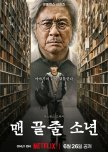
The performances elevate an already exceptional script. Choi Min Sik delivers a masterclass in restraint, portraying a man whose brilliance is inseparable from his desperation. Opposite him, Choi Hyun Wook brings remarkable complexity to a character who is both vulnerable and unpredictable. Their chemistry is magnetic, turning every shared scene into a psychological chess match where power constantly shifts.
Visually, the series is equally impressive. The restrained cinematography, meticulous framing, and measured pacing allow the tension to build naturally. Instead of rushing toward shocking revelations, the drama rewards patient viewers by carefully peeling back each layer of its characters' motivations.
What makes Notes from the Last Row truly memorable is its refusal to offer easy moral answers. Every character makes questionable choices, and the story challenges the audience to reflect on the ethics of storytelling itself. Can art justify manipulation? Where does inspiration end and exploitation begin? These questions linger long after the final episode.
Final Verdict: Notes from the Last Row is a sophisticated psychological thriller that respects the intelligence of its audience. While honoring the essence of El chico de la última fila, it confidently establishes its own identity through outstanding performances, elegant direction, and a screenplay that is as unsettling as it is deeply thought-provoking. It is the kind of drama that doesn't simply entertain—it stays with you, inviting reflection long after the credits roll.
At its heart, the drama is less about mystery than it is about obsession. It explores the dangerous relationship between a writer and his muse, questioning how far someone is willing to go in pursuit of the "perfect story." Every conversation, every silence, and every seemingly insignificant detail carries emotional weight, creating an atmosphere of growing unease that never relies on cheap twists or excessive melodrama.
The performances elevate an already exceptional script. Choi Min Sik delivers a masterclass in restraint, portraying a man whose brilliance is inseparable from his desperation. Opposite him, Choi Hyun Wook brings remarkable complexity to a character who is both vulnerable and unpredictable. Their chemistry is magnetic, turning every shared scene into a psychological chess match where power constantly shifts.
Visually, the series is equally impressive. The restrained cinematography, meticulous framing, and measured pacing allow the tension to build naturally. Instead of rushing toward shocking revelations, the drama rewards patient viewers by carefully peeling back each layer of its characters' motivations.
What makes Notes from the Last Row truly memorable is its refusal to offer easy moral answers. Every character makes questionable choices, and the story challenges the audience to reflect on the ethics of storytelling itself. Can art justify manipulation? Where does inspiration end and exploitation begin? These questions linger long after the final episode.
Final Verdict: Notes from the Last Row is a sophisticated psychological thriller that respects the intelligence of its audience. While honoring the essence of El chico de la última fila, it confidently establishes its own identity through outstanding performances, elegant direction, and a screenplay that is as unsettling as it is deeply thought-provoking. It is the kind of drama that doesn't simply entertain—it stays with you, inviting reflection long after the credits roll.
Was this review helpful to you?


