
 Editorials
 2
2 1
1 1
1



Puppy Love - a Slow-burn Romance across 25 episodes
Hidden Love follows the journey of Sang Zhi, whose childhood crush slowly blossoms into a mature romance over the course of several years.
As a child, Sang Zhi is a spirited, slightly spoilt girl who is forever bickering with her older brother and getting into trouble at school. When her teacher insists on meeting her parents, she recruits Duan Jia Xu—her brother's university friend—to pretend to be her older brother and rescue her from the situation. It is an amusing beginning to a relationship that neither of them realises will shape the rest of their lives.
From that moment, Sang Zhi quietly develops feelings for Jia Xu. Years later, they meet again while he is at university and she is a young teenager. Her childhood admiration gradually turns into genuine love, but like many teenagers, she is far better at hiding her feelings than expressing them.
When Jia Xu graduates and returns to his hometown, rumours begin circulating that he has a girlfriend. Heartbroken, Sang Zhi travels there hoping to find out the truth, only for a misunderstanding to spiral completely out of control. The consequences linger for years, driving them apart and causing them to lose contact altogether.
Watching this unfold, I could not help thinking, "If the two of you would simply sit down and have one honest conversation, we could save about eight episodes!" But then there would not be much of a drama. Miscommunication is hardly unique to Chinese culture, but in societies where people are generally more reserved about expressing their emotions, small misunderstandings can snowball into major heartbreak, especially during the early part of a courtship when each are uncertain of the feelings of the other.
Fate eventually intervenes when Sang Zhi enrols at a university in Jia Xu's hometown. They meet again as adults, and although they remain polite on the surface, old misunderstandings continue to cast a shadow over their relationship. As Sang Zhi cares for Jia Xu when he falls ill, his feelings for her deepen. Winning back her trust, however, proves far more difficult than falling in love.
The romance is filled with delightful moments of humour. Jia Xu is wonderfully smooth when it comes to flirting, alternating between subtle hints and bold declarations. One memorable scene sees him casually asking Sang Zhi about her "relationship status"—she nearly chokes in surprise while the audience is left grinning. At times, the drama feels like a masterclass in modern courtship: how to flirt, how to tease, how to pursue someone... and occasionally, how not to communicate.
Of course, once the flirting begins, so does the classic game of playing hard to get. Fortunately, neither lead becomes frustrating enough to make you want to throw your remote at the television.
The drama also explores a more serious lesson: making life-changing decisions without consulting the people you love can cause enormous damage to a relationship. One well-intentioned decision almost derails a romance that has taken years to bloom.
Several obstacles stand in their way.
First, Jia Xu carries an enormous financial burden because of his irresponsible father. I found this storyline particularly moving. Jia Xu spends years paying for mistakes he never made, and when he finally confronts his father, he says almost exactly what I had been thinking throughout the series.
The second obstacle is the five-year age gap. Personally, I never found this particularly convincing. Five years hardly raises eyebrows in today's world, so I felt the drama made rather more of it than necessary.
Hidden Love is, above all, a slow-burn romance. Very slow burn. It takes around twenty-five episodes before the relationship truly blossoms. I will confess that my streaming speed mysteriously increased to 1.25× somewhere along the way—not because the drama was boring, but because I was simply too impatient to find out what happened next!
One final nitpick: the English title.
How many Asian dramas have already been called Hidden Love? Surely we can do better. The original Chinese title, 偷偷藏不住, carries the meaning of quietly hiding one's feelings for someone. Titles such as A Love Kept Secret, The Boy I Secretly Loved, Love in Silence, My Secret Crush, or The Secret of My First Love would have captured that meaning far more beautifully while avoiding yet another generic English title. Come on, translators—if inspiration fails, even AI can help these days!
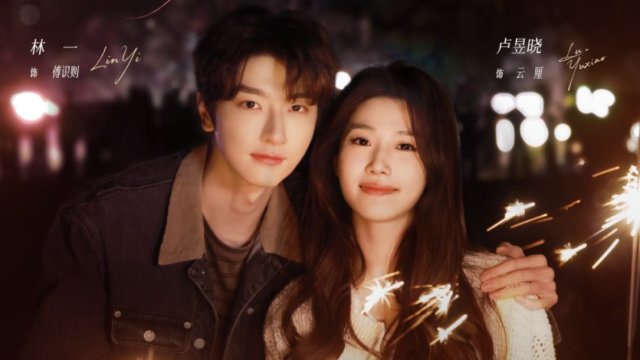
Overall, Hidden Love is an excellent portrayal of modern courtship in China. It captures the awkwardness of first love, the pain caused by poor communication, and the joy of watching two people gradually find their way back to each other. The cast is outstanding, the chemistry between Zhao Lusi and Chen Zheyuan is irresistible, and the story is both heartwarming and surprisingly relatable.
If you enjoy gentle romances, plenty of butterflies, and enough flirting to make you smile from ear to ear, Hidden Love is well worth your time. And who knows—you might even pick up a few dating tips along the way.
As a child, Sang Zhi is a spirited, slightly spoilt girl who is forever bickering with her older brother and getting into trouble at school. When her teacher insists on meeting her parents, she recruits Duan Jia Xu—her brother's university friend—to pretend to be her older brother and rescue her from the situation. It is an amusing beginning to a relationship that neither of them realises will shape the rest of their lives.
From that moment, Sang Zhi quietly develops feelings for Jia Xu. Years later, they meet again while he is at university and she is a young teenager. Her childhood admiration gradually turns into genuine love, but like many teenagers, she is far better at hiding her feelings than expressing them.
When Jia Xu graduates and returns to his hometown, rumours begin circulating that he has a girlfriend. Heartbroken, Sang Zhi travels there hoping to find out the truth, only for a misunderstanding to spiral completely out of control. The consequences linger for years, driving them apart and causing them to lose contact altogether.
Watching this unfold, I could not help thinking, "If the two of you would simply sit down and have one honest conversation, we could save about eight episodes!" But then there would not be much of a drama. Miscommunication is hardly unique to Chinese culture, but in societies where people are generally more reserved about expressing their emotions, small misunderstandings can snowball into major heartbreak, especially during the early part of a courtship when each are uncertain of the feelings of the other.
Fate eventually intervenes when Sang Zhi enrols at a university in Jia Xu's hometown. They meet again as adults, and although they remain polite on the surface, old misunderstandings continue to cast a shadow over their relationship. As Sang Zhi cares for Jia Xu when he falls ill, his feelings for her deepen. Winning back her trust, however, proves far more difficult than falling in love.
The romance is filled with delightful moments of humour. Jia Xu is wonderfully smooth when it comes to flirting, alternating between subtle hints and bold declarations. One memorable scene sees him casually asking Sang Zhi about her "relationship status"—she nearly chokes in surprise while the audience is left grinning. At times, the drama feels like a masterclass in modern courtship: how to flirt, how to tease, how to pursue someone... and occasionally, how not to communicate.
Of course, once the flirting begins, so does the classic game of playing hard to get. Fortunately, neither lead becomes frustrating enough to make you want to throw your remote at the television.
The drama also explores a more serious lesson: making life-changing decisions without consulting the people you love can cause enormous damage to a relationship. One well-intentioned decision almost derails a romance that has taken years to bloom.
Several obstacles stand in their way.
First, Jia Xu carries an enormous financial burden because of his irresponsible father. I found this storyline particularly moving. Jia Xu spends years paying for mistakes he never made, and when he finally confronts his father, he says almost exactly what I had been thinking throughout the series.
The second obstacle is the five-year age gap. Personally, I never found this particularly convincing. Five years hardly raises eyebrows in today's world, so I felt the drama made rather more of it than necessary.
Hidden Love is, above all, a slow-burn romance. Very slow burn. It takes around twenty-five episodes before the relationship truly blossoms. I will confess that my streaming speed mysteriously increased to 1.25× somewhere along the way—not because the drama was boring, but because I was simply too impatient to find out what happened next!
One final nitpick: the English title.
How many Asian dramas have already been called Hidden Love? Surely we can do better. The original Chinese title, 偷偷藏不住, carries the meaning of quietly hiding one's feelings for someone. Titles such as A Love Kept Secret, The Boy I Secretly Loved, Love in Silence, My Secret Crush, or The Secret of My First Love would have captured that meaning far more beautifully while avoiding yet another generic English title. Come on, translators—if inspiration fails, even AI can help these days!
Overall, Hidden Love is an excellent portrayal of modern courtship in China. It captures the awkwardness of first love, the pain caused by poor communication, and the joy of watching two people gradually find their way back to each other. The cast is outstanding, the chemistry between Zhao Lusi and Chen Zheyuan is irresistible, and the story is both heartwarming and surprisingly relatable.
If you enjoy gentle romances, plenty of butterflies, and enough flirting to make you smile from ear to ear, Hidden Love is well worth your time. And who knows—you might even pick up a few dating tips along the way.
Was this review helpful to you?


