


This review may contain spoilers
Beautiful, Addictive, and Emotionally Complex, but Weaker Toward the End
While I was watching The First Jasmine, I was completely immersed. It was the kind of drama that constantly made me curious about what would happen next, and I became so attached to its world and characters that I felt strangely empty after finishing it. Perhaps binge-watching intensified that feeling, but I also think the final few episodes were genuinely underwhelming compared with everything that came before them.
For me, the first thirty episodes were the strongest part of the drama. I loved Ye Li and Xi Yao’s marriage era, the political intrigue, the revenge storyline, and the way Ye Li moved through the story while secretly pursuing her plans. Their divorce arc genuinely broke my heart, but it was also incredibly well executed. The moment Xi Yao discovered how ill she was, along with the eventual revelation of what had happened on the mountain, was one of the emotional peaks of the entire drama. Everything leading up to that point felt intense, layered, and deeply engaging.
Ye Li is easily one of the most fascinating female characters I have encountered in a historical drama. She is deeply broken, psychologically complicated, and filled with layers that are gradually uncovered throughout the story. Her trauma, anger, determination, and self-destructive tendencies made her unpredictable and compelling. Bai Lu gave one of her strongest performances here. She portrayed Ye Li’s pain and emotional instability with so much depth that I could not look away. Her acting was immaculate, particularly during the heavier and more heartbreaking moments.
However, Ye Li gradually seemed to lose some of her spark toward the end. The revengeful, determined energy that made her so intriguing began to fade, and even though the final confrontation should have been her defining moment, it did not carry the emotional impact I expected. After such a memorable portrayal of her trauma, the conclusion to her revenge felt strangely muted. The revenge plot did not provide enough closure or transformation, especially considering how much of the drama had been built around it.
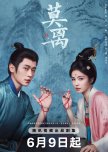
I also loved Xi Yao, particularly during the first half of the drama. It was refreshing to see Cheng Lei play a vulnerable and physically broken character rather than the powerful, commanding roles I usually associate him with. His performance while Xi Yao was confined to the wheelchair was incredible, and his quiet pain, loyalty, and emotional restraint were beautifully portrayed. He also looked amazing with the grey hair; that entire look was such a refreshing change for him.
Unfortunately, Xi Yao became increasingly sidelined as the story progressed. He was no less a victim of what had happened, so I strongly felt that he deserved to be involved in the final confrontation. I understand allowing the heroine to lead the finale of a female-centered revenge story, but completely pushing the male lead aside made the ending feel incomplete. His character had so much emotional depth and potential, yet the drama gradually reduced his importance. Even during the war sequences, we barely saw him fight, which felt like another wasted opportunity, especially because Cheng Lei is so good in action scenes.
The relationship between Ye Li and Xi Yao was essential to the story, even though the drama was never romance-centered. Their love helped both of them heal. Ye Li did not simply recover on her own; through Xi Yao, she found someone who remained beside her, while she also helped him rediscover his will to live. Their connection was therefore more than a romantic subplot—it was part of both characters’ emotional journeys. That is why I was disappointed when the drama gradually moved away not only from their romantic scenes, but from the healing relationship itself.
I actually enjoyed the slow-burn romance for most of the drama. Their love was gentle, warm, supportive, and often unspoken rather than passionate or electric. They sometimes gave me the feeling of an older married couple, and I do not necessarily mean that negatively. Their affection came through in the quiet gestures, particularly from Xi Yao, who carried much of the romantic side of the relationship. Ye Li was written as emotionally closed off and could sometimes feel like a block of wood when it came to expressing affection, so most of the direct romantic gestures came from him.
The problem was not the lack of kissing or intimate scenes. The drama worked perfectly well without them. My issue was the way so many promising moments between the couple were abruptly cut short. Just as a scene began building emotional closeness or chemistry, it would suddenly move elsewhere. The romance constantly felt within reach but never fully explored. The actors did have a warm spark, particularly earlier in the drama, but the script and editing did not allow that chemistry to develop naturally. By the end, it felt as though the connection had faded—not because the relationship itself lacked potential, but because the drama kept taking time away from it.
Their dynamic was also weakened by Ye Li constantly acting behind Xi Yao’s back. They shared the same enemies, goals, and ambitions, yet they continued walking toward those goals separately. Even when Xi Yao understood what she was doing, Ye Li rarely chose to place her trust in him and work openly beside him. I would have preferred to see them combine their strengths and pursue their shared goal together rather than repeatedly taking different roads toward the same destination.
I also think some viewers misunderstood Xi Yao’s decision to leave her. He needed to be hurt and broken by Ye Li before he could truly understand her pain and ultimately help her heal. His actions make more sense when viewed through the emotional complexity of both characters rather than simply as a romantic betrayal. With characters this complicated, criticism and differing interpretations are inevitable, but that complexity is also one of the drama’s greatest strengths.
Beyond the leads, the drama introduced many interesting characters and storylines that never reached their full potential. Han Mingxi seemed as though he would play a more consequential role, and his interactions with Ye Ying had so much entertaining potential. Mo Jingli was perhaps the greatest missed opportunity. He was intelligent, cunning, and morally layered—a man pursuing what he believed was a just cause through questionable methods. Yet the narrative gradually diminished his motivations, intelligence, and overall importance as it approached the finale.
This became the drama’s biggest weakness: it tried to handle too many themes, characters, and conflicts without properly completing all of them. Many characters initially appeared to possess genuine agency and complexity, only to be pushed into familiar tropes or sidelined when the story needed to conclude. The ending closed several plotlines and was technically happy, but it did not feel like a proper emotional goodbye. We barely saw the main couple together, Xi Yao was largely absent, and even Ye Li no longer felt fully present in her own story. After spending so much time with them, I wanted a conclusion that allowed their relationship and individual journeys to breathe.
Visually, however, the drama is absolutely stunning. The costumes are beautifully designed, the cinematography is gorgeous, and the entire production is rich, colorful, and vibrant. The styling, sets, and use of color created a world that was consistently beautiful to look at.
The music deserves even more praise. This drama has one of the best and most memorable soundtracks I have heard. I do not mean only the OST songs, although those are also beautifully done—the background score itself is phenomenal. The music elevates the tension, heartbreak, mystery, and emotional weight of so many scenes. It remained in my mind long after the drama ended, and it is easily one of the strongest aspects of the entire production. Honestly, well done.
Despite my frustrations with the final stretch, The First Jasmine contains so many memorable scenes, complex characters, and excellent performances. It is an unusual mixture of revenge, politics, trauma, healing, and subtle romance. I would not recommend watching it solely for the romance, because the relationship supports the story rather than carrying it. Those expecting a highly passionate or intimacy-heavy romance may be disappointed. However, anyone interested in a compelling storyline, emotionally damaged characters, stellar acting, and a beautifully produced historical drama will find plenty to appreciate.
The ending may not have delivered everything the earlier episodes promised, but the journey was still exciting, emotionally absorbing, and different from the typical romance-focused historical drama. Despite its flaws, I would definitely recommend it.
For me, the first thirty episodes were the strongest part of the drama. I loved Ye Li and Xi Yao’s marriage era, the political intrigue, the revenge storyline, and the way Ye Li moved through the story while secretly pursuing her plans. Their divorce arc genuinely broke my heart, but it was also incredibly well executed. The moment Xi Yao discovered how ill she was, along with the eventual revelation of what had happened on the mountain, was one of the emotional peaks of the entire drama. Everything leading up to that point felt intense, layered, and deeply engaging.
Ye Li is easily one of the most fascinating female characters I have encountered in a historical drama. She is deeply broken, psychologically complicated, and filled with layers that are gradually uncovered throughout the story. Her trauma, anger, determination, and self-destructive tendencies made her unpredictable and compelling. Bai Lu gave one of her strongest performances here. She portrayed Ye Li’s pain and emotional instability with so much depth that I could not look away. Her acting was immaculate, particularly during the heavier and more heartbreaking moments.
However, Ye Li gradually seemed to lose some of her spark toward the end. The revengeful, determined energy that made her so intriguing began to fade, and even though the final confrontation should have been her defining moment, it did not carry the emotional impact I expected. After such a memorable portrayal of her trauma, the conclusion to her revenge felt strangely muted. The revenge plot did not provide enough closure or transformation, especially considering how much of the drama had been built around it.
I also loved Xi Yao, particularly during the first half of the drama. It was refreshing to see Cheng Lei play a vulnerable and physically broken character rather than the powerful, commanding roles I usually associate him with. His performance while Xi Yao was confined to the wheelchair was incredible, and his quiet pain, loyalty, and emotional restraint were beautifully portrayed. He also looked amazing with the grey hair; that entire look was such a refreshing change for him.
Unfortunately, Xi Yao became increasingly sidelined as the story progressed. He was no less a victim of what had happened, so I strongly felt that he deserved to be involved in the final confrontation. I understand allowing the heroine to lead the finale of a female-centered revenge story, but completely pushing the male lead aside made the ending feel incomplete. His character had so much emotional depth and potential, yet the drama gradually reduced his importance. Even during the war sequences, we barely saw him fight, which felt like another wasted opportunity, especially because Cheng Lei is so good in action scenes.
The relationship between Ye Li and Xi Yao was essential to the story, even though the drama was never romance-centered. Their love helped both of them heal. Ye Li did not simply recover on her own; through Xi Yao, she found someone who remained beside her, while she also helped him rediscover his will to live. Their connection was therefore more than a romantic subplot—it was part of both characters’ emotional journeys. That is why I was disappointed when the drama gradually moved away not only from their romantic scenes, but from the healing relationship itself.
I actually enjoyed the slow-burn romance for most of the drama. Their love was gentle, warm, supportive, and often unspoken rather than passionate or electric. They sometimes gave me the feeling of an older married couple, and I do not necessarily mean that negatively. Their affection came through in the quiet gestures, particularly from Xi Yao, who carried much of the romantic side of the relationship. Ye Li was written as emotionally closed off and could sometimes feel like a block of wood when it came to expressing affection, so most of the direct romantic gestures came from him.
The problem was not the lack of kissing or intimate scenes. The drama worked perfectly well without them. My issue was the way so many promising moments between the couple were abruptly cut short. Just as a scene began building emotional closeness or chemistry, it would suddenly move elsewhere. The romance constantly felt within reach but never fully explored. The actors did have a warm spark, particularly earlier in the drama, but the script and editing did not allow that chemistry to develop naturally. By the end, it felt as though the connection had faded—not because the relationship itself lacked potential, but because the drama kept taking time away from it.
Their dynamic was also weakened by Ye Li constantly acting behind Xi Yao’s back. They shared the same enemies, goals, and ambitions, yet they continued walking toward those goals separately. Even when Xi Yao understood what she was doing, Ye Li rarely chose to place her trust in him and work openly beside him. I would have preferred to see them combine their strengths and pursue their shared goal together rather than repeatedly taking different roads toward the same destination.
I also think some viewers misunderstood Xi Yao’s decision to leave her. He needed to be hurt and broken by Ye Li before he could truly understand her pain and ultimately help her heal. His actions make more sense when viewed through the emotional complexity of both characters rather than simply as a romantic betrayal. With characters this complicated, criticism and differing interpretations are inevitable, but that complexity is also one of the drama’s greatest strengths.
Beyond the leads, the drama introduced many interesting characters and storylines that never reached their full potential. Han Mingxi seemed as though he would play a more consequential role, and his interactions with Ye Ying had so much entertaining potential. Mo Jingli was perhaps the greatest missed opportunity. He was intelligent, cunning, and morally layered—a man pursuing what he believed was a just cause through questionable methods. Yet the narrative gradually diminished his motivations, intelligence, and overall importance as it approached the finale.
This became the drama’s biggest weakness: it tried to handle too many themes, characters, and conflicts without properly completing all of them. Many characters initially appeared to possess genuine agency and complexity, only to be pushed into familiar tropes or sidelined when the story needed to conclude. The ending closed several plotlines and was technically happy, but it did not feel like a proper emotional goodbye. We barely saw the main couple together, Xi Yao was largely absent, and even Ye Li no longer felt fully present in her own story. After spending so much time with them, I wanted a conclusion that allowed their relationship and individual journeys to breathe.
Visually, however, the drama is absolutely stunning. The costumes are beautifully designed, the cinematography is gorgeous, and the entire production is rich, colorful, and vibrant. The styling, sets, and use of color created a world that was consistently beautiful to look at.
The music deserves even more praise. This drama has one of the best and most memorable soundtracks I have heard. I do not mean only the OST songs, although those are also beautifully done—the background score itself is phenomenal. The music elevates the tension, heartbreak, mystery, and emotional weight of so many scenes. It remained in my mind long after the drama ended, and it is easily one of the strongest aspects of the entire production. Honestly, well done.
Despite my frustrations with the final stretch, The First Jasmine contains so many memorable scenes, complex characters, and excellent performances. It is an unusual mixture of revenge, politics, trauma, healing, and subtle romance. I would not recommend watching it solely for the romance, because the relationship supports the story rather than carrying it. Those expecting a highly passionate or intimacy-heavy romance may be disappointed. However, anyone interested in a compelling storyline, emotionally damaged characters, stellar acting, and a beautifully produced historical drama will find plenty to appreciate.
The ending may not have delivered everything the earlier episodes promised, but the journey was still exciting, emotionally absorbing, and different from the typical romance-focused historical drama. Despite its flaws, I would definitely recommend it.
Was this review helpful to you?


