
 Editorials
 3
3 2
2 1
1


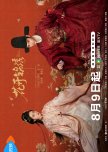
The Plot Has Returned From Exile
Recent costume dramas have become remarkably good at serving gold-rimmed plates with nothing on them.
Beautiful faces.
Expensive clothes.
Enough slow motion to delay the plot indefinitely.
The Road to Splendor finally remembered the food.
This is an ambitious story about two outsiders forcing their way through a society determined to keep them in their assigned places. Fu Tingyun has education, status and strategic intelligence but little control over her own future. Zhao Ling has courage, ability and ambition but no respectable name capable of converting those qualities into power.
Together, they discover that social mobility in imperial China requires intelligence, sacrifice and a concerning willingness to survive attempted murder before breakfast.
The salt-reform storyline and the imperial-tomb scheme are the drama at its sharpest: intelligent people manipulating systems rather than waiting for the script to remove their opponents.
Schemes require preparation.
Actions have consequences.
Characters remember information after learning it.
Luxurious.
What impressed me most was not simply that the plot was complicated, but that its complications grew naturally from the world. Salt policy, family reputation, class, marriage and official power are not decorative historical vocabulary. They determine what these characters can risk, whom they can trust and how much every victory costs.
Even when the pacing became uneven, I remained invested because the drama had built conflicts worth resolving. I wanted to know what these people would do next, not merely which beautifully lit person would win the argument.
The women are particularly well written. Madame Zuo, Fan Yake and Madame Yu are neither flattened into victims nor sharpened into one-dimensional villains. They make cruel, compromised choices, but those choices grow from recognizable combinations of pride, fear, survival and the narrow forms of power available to them.
I did not approve of them.
I frequently understood them.
Madame Zuo was the best-acted role for me, while Madame Yu may have been the most complete character. These women do not merely enter the plot. They rearrange the furniture and leave everyone else wondering who owns the house.
Ding Yuxi and Deng Enxi both gave respectable performances.
Neither blew me away.
Ding Yuxi has considerable charisma. Unfortunately, the first half occasionally treats this as information the audience might forget unless Zhao Ling lowers his head, angles his face, chews on a stalk of grass, and remains perfectly still for inspection.
The chin.
The stare.
The stalk of grass working overtime to establish his ruggedness.
At times, Yuxi was playing Zhao Ling while his best angle was filming a separate drama nearby.
Some of the physicality suits a guarded salt smuggler accustomed to monitoring danger. But there is a difference between a character watching the room and an actor checking whether the room contains a camera.
Ding Yuxi becomes much better in the later arcs, when the performance finally stops standing at attention. His silences acquire weight, his anger feels less arranged, and Zhao Ling begins looking like a man carrying years of isolation rather than a promotional image carrying excellent lighting.
The less Ding Yuxi tries to create presence, the more presence he has.
Deng Enxi convincingly captures Fu Tingyun’s education, pride and aristocratic reserve. She is strongest when the character is cornered and forced to calculate her way out of danger.
But her screen presence remains uneven, and the dubbing occasionally seems to arrive three emotional stations ahead of her face. The voice enters wearing armor while the expression is still fastening its shoes.
I also never fully believed the romance.
I believed that Fu Tingyun respected Zhao Ling.
I believed that she trusted him.
I believed they could expose corruption, survive court politics and reorganize the salt trade together.
Their partnership has logic. Their romance sometimes feels like two highly competent colleagues who accidentally included marriage in the project scope.
Deng Enxi conveys pride, irritation and emotional control more convincingly than tenderness. Their personality clashes are believable, but the drama keeps identifying those differences instead of exploring or resolving them. Zhao Ling and Fu Tingyun repeatedly save one another, yet they often appear emotionally parked in separate courtyards.
Fortunately, The Road to Splendor never depends entirely on its romance.
There is enough history, political conflict and character development to keep the world moving beyond the couple. The supporting characters have ambitions of their own, and the story does not collapse whenever the leads stop looking at each other.
That should not feel unusual.
It does.
The production is undeniably beautiful. The locations, costumes and cinematography give the drama scale, atmosphere and a sense of history. After years of digitally manufactured realms looking approximately three loading screens away from completion, real landscapes are a welcome sight.
But the drama occasionally polishes itself past beauty and into showroom condition.
Every sleeve falls correctly.
Every beam of light knows its mark.
Every actor has signed a treaty with their preferred angle.
Some scenes look less lived in than prepared for inspection.
The excessive smoothing makes this worse. Faces are processed until human texture becomes a production error. The desert has pores. The walls have pores. Apparently, only the actors received imperial exemption.
For a story filled with hunger, prisons, danger and people dragging themselves through a brutal social order, everyone looks suspiciously ready to endorse serum.
The drama wants historical realism and luxury-ad perfection in the same frame. Most of the time, the history wins.
Occasionally, the skincare campaign launches a coup.
The writing also loses some discipline after the salt reform arc. Earlier villains succeed because they are intelligent and understand the system. Later villains increasingly succeed because supporting characters suddenly discover greed, recklessness and selective cognitive failure.
The early arcs play chess.
The later arcs sometimes remove pieces by declaring them stupid.
Around Episode 32, the drama approaches full dog-blood melodrama with alarming confidence. Thankfully, it steps back, recovers and finishes on solid footing, although some villains receive consequences considerably more merciful than their crimes.
Still, The Road to Splendor gave me intelligent political conflict, complicated women, rich historical detail and protagonists whose lives did not begin and end with romance. Its best arcs were absorbing, its world felt larger than its leads, and even its morally compromised characters remained understandable without being excused.
No, it did not blow me away.
The acting was uneven.
The romance never fully impressed.
The visuals occasionally admired themselves more than I did.
The later plotting did not maintain the precision of the beginning.
But I enjoyed it considerably more than that list may suggest.
A story and characters substantial enough to survive the drama’s own excesses.
The plate was occasionally overdecorated, but for once, someone remembered to serve dinner.
Beautiful faces.
Expensive clothes.
Enough slow motion to delay the plot indefinitely.
The Road to Splendor finally remembered the food.
This is an ambitious story about two outsiders forcing their way through a society determined to keep them in their assigned places. Fu Tingyun has education, status and strategic intelligence but little control over her own future. Zhao Ling has courage, ability and ambition but no respectable name capable of converting those qualities into power.
Together, they discover that social mobility in imperial China requires intelligence, sacrifice and a concerning willingness to survive attempted murder before breakfast.
The salt-reform storyline and the imperial-tomb scheme are the drama at its sharpest: intelligent people manipulating systems rather than waiting for the script to remove their opponents.
Schemes require preparation.
Actions have consequences.
Characters remember information after learning it.
Luxurious.
What impressed me most was not simply that the plot was complicated, but that its complications grew naturally from the world. Salt policy, family reputation, class, marriage and official power are not decorative historical vocabulary. They determine what these characters can risk, whom they can trust and how much every victory costs.
Even when the pacing became uneven, I remained invested because the drama had built conflicts worth resolving. I wanted to know what these people would do next, not merely which beautifully lit person would win the argument.
The women are particularly well written. Madame Zuo, Fan Yake and Madame Yu are neither flattened into victims nor sharpened into one-dimensional villains. They make cruel, compromised choices, but those choices grow from recognizable combinations of pride, fear, survival and the narrow forms of power available to them.
I did not approve of them.
I frequently understood them.
Madame Zuo was the best-acted role for me, while Madame Yu may have been the most complete character. These women do not merely enter the plot. They rearrange the furniture and leave everyone else wondering who owns the house.
Ding Yuxi and Deng Enxi both gave respectable performances.
Neither blew me away.
Ding Yuxi has considerable charisma. Unfortunately, the first half occasionally treats this as information the audience might forget unless Zhao Ling lowers his head, angles his face, chews on a stalk of grass, and remains perfectly still for inspection.
The chin.
The stare.
The stalk of grass working overtime to establish his ruggedness.
At times, Yuxi was playing Zhao Ling while his best angle was filming a separate drama nearby.
Some of the physicality suits a guarded salt smuggler accustomed to monitoring danger. But there is a difference between a character watching the room and an actor checking whether the room contains a camera.
Ding Yuxi becomes much better in the later arcs, when the performance finally stops standing at attention. His silences acquire weight, his anger feels less arranged, and Zhao Ling begins looking like a man carrying years of isolation rather than a promotional image carrying excellent lighting.
The less Ding Yuxi tries to create presence, the more presence he has.
Deng Enxi convincingly captures Fu Tingyun’s education, pride and aristocratic reserve. She is strongest when the character is cornered and forced to calculate her way out of danger.
But her screen presence remains uneven, and the dubbing occasionally seems to arrive three emotional stations ahead of her face. The voice enters wearing armor while the expression is still fastening its shoes.
I also never fully believed the romance.
I believed that Fu Tingyun respected Zhao Ling.
I believed that she trusted him.
I believed they could expose corruption, survive court politics and reorganize the salt trade together.
Their partnership has logic. Their romance sometimes feels like two highly competent colleagues who accidentally included marriage in the project scope.
Deng Enxi conveys pride, irritation and emotional control more convincingly than tenderness. Their personality clashes are believable, but the drama keeps identifying those differences instead of exploring or resolving them. Zhao Ling and Fu Tingyun repeatedly save one another, yet they often appear emotionally parked in separate courtyards.
Fortunately, The Road to Splendor never depends entirely on its romance.
There is enough history, political conflict and character development to keep the world moving beyond the couple. The supporting characters have ambitions of their own, and the story does not collapse whenever the leads stop looking at each other.
That should not feel unusual.
It does.
The production is undeniably beautiful. The locations, costumes and cinematography give the drama scale, atmosphere and a sense of history. After years of digitally manufactured realms looking approximately three loading screens away from completion, real landscapes are a welcome sight.
But the drama occasionally polishes itself past beauty and into showroom condition.
Every sleeve falls correctly.
Every beam of light knows its mark.
Every actor has signed a treaty with their preferred angle.
Some scenes look less lived in than prepared for inspection.
The excessive smoothing makes this worse. Faces are processed until human texture becomes a production error. The desert has pores. The walls have pores. Apparently, only the actors received imperial exemption.
For a story filled with hunger, prisons, danger and people dragging themselves through a brutal social order, everyone looks suspiciously ready to endorse serum.
The drama wants historical realism and luxury-ad perfection in the same frame. Most of the time, the history wins.
Occasionally, the skincare campaign launches a coup.
The writing also loses some discipline after the salt reform arc. Earlier villains succeed because they are intelligent and understand the system. Later villains increasingly succeed because supporting characters suddenly discover greed, recklessness and selective cognitive failure.
The early arcs play chess.
The later arcs sometimes remove pieces by declaring them stupid.
Around Episode 32, the drama approaches full dog-blood melodrama with alarming confidence. Thankfully, it steps back, recovers and finishes on solid footing, although some villains receive consequences considerably more merciful than their crimes.
Still, The Road to Splendor gave me intelligent political conflict, complicated women, rich historical detail and protagonists whose lives did not begin and end with romance. Its best arcs were absorbing, its world felt larger than its leads, and even its morally compromised characters remained understandable without being excused.
No, it did not blow me away.
The acting was uneven.
The romance never fully impressed.
The visuals occasionally admired themselves more than I did.
The later plotting did not maintain the precision of the beginning.
But I enjoyed it considerably more than that list may suggest.
A story and characters substantial enough to survive the drama’s own excesses.
The plate was occasionally overdecorated, but for once, someone remembered to serve dinner.
Was this review helpful to you?


