

 1
1 1
1

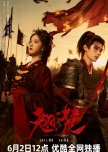
Fifty Shades of Red, Dramatic Slow Motion, and Plot Pending
I started this for the female-centric political intrigue angle.
You know:
scheming, strategy, morally questionable decisions made in beautiful robes, people ruining each other’s lives through intelligence rather than dramatic staring and slow motion.
Excellent.
I was ready.
Instead, ten episodes in, the drama is thinking very hard about plotting rather than actually plotting.
Everyone speaks with tremendous seriousness, music swells like dynasties are about to collapse, and yet I kept waiting for the actual narrative intelligence to arrive.
I actually think the director was ambitious.
You can see what this drama wants to be.
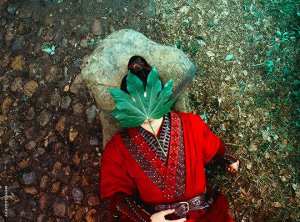
Some scenes are beautiful. The costumes — especially the female lead’s — are excellent. There are flashes where the show briefly convinces you something smarter and grander is about to happen.
Alas.
The follow-through proved less committed.
It also cannot decide whether it wants to be a full-length drama or a short drama stretched to mid-length. It lacks the narrative density for the first and the pace for the second, which somehow makes it feel both rushed and draggy.
Also, what exactly happened between this production and the color red?
Politics? Red.
Trauma? Red.
Emotional conflict? Extremely red.
At one point I started wondering whether the writer was processing unresolved emotional events exclusively through crimson lighting.
And the random CGI realm/dimension moments?
Personal preference perhaps, but I struggle when ancient-setting dramas suddenly look like somebody briefly opened the wrong fantasy editing software.
Acting-wise, a mixed bag.
Chen Duling looks stunning and absolutely wears the costumes instead of letting them wear her. She visually feels right for this world. I just wish the emotional sharpness consistently matched the visual authority of a supposedly strategic female lead.
Zhou Yiran, meanwhile, feels somewhat miscast for the ambition of the role. Not because he is terrible — he is perfectly watchable — but because the drama seems to want a heavier, more politically intimidating presence than he naturally brings. The script keeps insisting we are dealing with dangerous people while I kept feeling oddly safe.
The dubbing also did nobody any favors.
That said, at least the fans are being fed.
Plenty of visuals, longing stares, slow motion used with astonishing confidence, and enough accidental tension between half the male cast that I briefly wondered whether production itself had entered a shipping crisis.
I kept waiting for the stronger, smarter version of this show to arrive.
I gave it ten episodes of political optimism.
The optimism has now expired.
(Dropped at Episode 10)
You know:
scheming, strategy, morally questionable decisions made in beautiful robes, people ruining each other’s lives through intelligence rather than dramatic staring and slow motion.
Excellent.
I was ready.
Instead, ten episodes in, the drama is thinking very hard about plotting rather than actually plotting.
Everyone speaks with tremendous seriousness, music swells like dynasties are about to collapse, and yet I kept waiting for the actual narrative intelligence to arrive.
I actually think the director was ambitious.
You can see what this drama wants to be.
Some scenes are beautiful. The costumes — especially the female lead’s — are excellent. There are flashes where the show briefly convinces you something smarter and grander is about to happen.
Alas.
The follow-through proved less committed.
It also cannot decide whether it wants to be a full-length drama or a short drama stretched to mid-length. It lacks the narrative density for the first and the pace for the second, which somehow makes it feel both rushed and draggy.
Also, what exactly happened between this production and the color red?
Politics? Red.
Trauma? Red.
Emotional conflict? Extremely red.
At one point I started wondering whether the writer was processing unresolved emotional events exclusively through crimson lighting.
And the random CGI realm/dimension moments?
Personal preference perhaps, but I struggle when ancient-setting dramas suddenly look like somebody briefly opened the wrong fantasy editing software.
Acting-wise, a mixed bag.
Chen Duling looks stunning and absolutely wears the costumes instead of letting them wear her. She visually feels right for this world. I just wish the emotional sharpness consistently matched the visual authority of a supposedly strategic female lead.
Zhou Yiran, meanwhile, feels somewhat miscast for the ambition of the role. Not because he is terrible — he is perfectly watchable — but because the drama seems to want a heavier, more politically intimidating presence than he naturally brings. The script keeps insisting we are dealing with dangerous people while I kept feeling oddly safe.
The dubbing also did nobody any favors.
That said, at least the fans are being fed.
Plenty of visuals, longing stares, slow motion used with astonishing confidence, and enough accidental tension between half the male cast that I briefly wondered whether production itself had entered a shipping crisis.
I kept waiting for the stronger, smarter version of this show to arrive.
I gave it ten episodes of political optimism.
The optimism has now expired.
(Dropped at Episode 10)
Was this review helpful to you?


