

This review may contain spoilers
Strong lead chemistry, sharp comedy, and genuine emotional moments; some side plots feel underused.
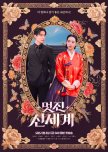
The Royal Nemesis is a playful, sharply written rom-com that trades on an irresistible fish-out-of-water setup: Im Ji-yeon’s Sin Seo Ri, a legendary Joseon “villainess” reborn in the 21st century, collides with Heo Nam-jun’s cold, calculating chaebol Cha Se Gye. The premise could have leaned purely on gimmickry, but the show finds steady grounding in character work and tonal control. Im Ji-yeon gives a magnetic performance — she layers Sin Seo Ri’s vicious historical cunning with a bewildered, almost childlike curiosity for modern life, making the character funny, dangerous, and oddly sympathetic. Heo Nam-jun plays well against her, delivering a restrained, steel-edged Cha Se Gye whose emotional thaw is earned rather than telegraphed.
The writing balances screwball beats and emotional stakes: comedy scenes land often thanks to timing and the culture-clash setup, while quieter moments let the leads reveal unexpected vulnerabilities. Supporting players, notably Jang Seung-jo’s Choi Mun Do, add texture and occasional moral friction, even if some secondary arcs feel underexplored. Production values are solid — period-flashback aesthetics and contemporary settings are both handled with care — and pacing generally keeps episodes lively without rushing the core relationship.
Weaknesses are familiar: occasional reliance on rom-com tropes, a few underused side plots, and a predictability in certain plot turns. Still, the series excels where it matters most for this genre: committed lead chemistry, an emotional throughline that respects both characters, and a winkingly theatrical premise that never overstays its welcome.
Verdict: Charming and character-driven enough to justify its premise. Strong lead performances and steady tonal control make this a rewarding watch for rom-com fans. Rating: 8.0/10.
The writing balances screwball beats and emotional stakes: comedy scenes land often thanks to timing and the culture-clash setup, while quieter moments let the leads reveal unexpected vulnerabilities. Supporting players, notably Jang Seung-jo’s Choi Mun Do, add texture and occasional moral friction, even if some secondary arcs feel underexplored. Production values are solid — period-flashback aesthetics and contemporary settings are both handled with care — and pacing generally keeps episodes lively without rushing the core relationship.
Weaknesses are familiar: occasional reliance on rom-com tropes, a few underused side plots, and a predictability in certain plot turns. Still, the series excels where it matters most for this genre: committed lead chemistry, an emotional throughline that respects both characters, and a winkingly theatrical premise that never overstays its welcome.
Verdict: Charming and character-driven enough to justify its premise. Strong lead performances and steady tonal control make this a rewarding watch for rom-com fans. Rating: 8.0/10.
Was this review helpful to you?


