



This review may contain spoilers
A Sharp, Uncomfortable Mirror of Power, Politics, and the Filipino Psyche
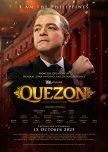
Quezon completes Jerrold Tarog's Bayaniverse trilogy in spectacular fashion, trading the battlefields of Heneral Luna and Goyo for the ruthless arena of Philippine politics. Rather than presenting Manuel L. Quezon as a flawless national hero, the film tears down the mythology and reveals a brilliant, ambitious, manipulative, and deeply human politician whose pursuit of power often clashes with his ideals.
Jericho Rosales delivers a commanding performance, while Romnick Sarmenta, Mon Confiado, Karylle, Cris Villanueva, Sue Prado, and Iain Glen provide excellent support. The dialogue is sharp, the pacing engaging, and the film's satirical edge makes its political commentary feel surprisingly contemporary.
What makes Quezon stand out is how relevant it feels. The media manipulation, election theatrics, personality politics, and empty promises depicted on screen could easily be mistaken for today's headlines. Tarog once again refuses to offer simple heroes or villains, presenting politics as a messy game where everyone has something to gain and no one remains entirely innocent.
Visually impressive and packed with strong performances, Quezon succeeds as both a historical drama and a biting political satire. While its portrayal of Quezon can feel overwhelmingly critical at times and some historical liberties may divide audiences, the film's willingness to challenge long-held narratives makes it compelling viewing.
More than a biography, Quezon is a mirror held up to the Philippines—past and present. Thought-provoking, uncomfortable, and timely, it's one of the year's strongest Filipino films and a fitting conclusion to Tarog's remarkable trilogy.
Jericho Rosales delivers a commanding performance, while Romnick Sarmenta, Mon Confiado, Karylle, Cris Villanueva, Sue Prado, and Iain Glen provide excellent support. The dialogue is sharp, the pacing engaging, and the film's satirical edge makes its political commentary feel surprisingly contemporary.
What makes Quezon stand out is how relevant it feels. The media manipulation, election theatrics, personality politics, and empty promises depicted on screen could easily be mistaken for today's headlines. Tarog once again refuses to offer simple heroes or villains, presenting politics as a messy game where everyone has something to gain and no one remains entirely innocent.
Visually impressive and packed with strong performances, Quezon succeeds as both a historical drama and a biting political satire. While its portrayal of Quezon can feel overwhelmingly critical at times and some historical liberties may divide audiences, the film's willingness to challenge long-held narratives makes it compelling viewing.
More than a biography, Quezon is a mirror held up to the Philippines—past and present. Thought-provoking, uncomfortable, and timely, it's one of the year's strongest Filipino films and a fitting conclusion to Tarog's remarkable trilogy.
Was this review helpful to you?


