




This review may contain spoilers
More Than Fan Service: A Mature Return to the Bar
Bar Boys: After School deepens the emotional and thematic reach of the original by asking what happens after the dreams, once idealism collides with reality. Set a decade after Bar Boys (2017), the sequel reunites Erik, Torran, Chris, and Josh not as wide-eyed law students, but as adults shaped - and bruised - by life. Directed by Kip Oebanda and co-written with Carlo Catu and Zig Dulay, the film trades youthful ambition for reflection, consequence, and quiet resilience. It's less about winning cases and more about surviving systems, relationships, and personal doubt.Each of the four leads feels thoughtfully evolved. Carlo Aquino's Erik remains principled but weary, now working for a nonprofit and facing public suspicion for choosing the marginalised. Rocco Nacino's Torran balances the dignity of teaching with the compromises of working in a firm. Enzo Pineda's Chris is confronted by his own emotional blind spots as a husband and father. Kean Cipriano's Josh, once the dreamer, returns to law school after a failed showbiz detour - humbler, but more grounded. Their friendship still holds, but it's no longer effortless, and the film is honest about that shift.
The emotional anchor of the story is Odette Khan as Justice Hernandez, now in her twilight years. Her scenes are beautifully written and deeply affecting, filled with quotable reflections on integrity, invisibility, and the courage it takes to stand for something. She doesn't lecture - she guides, and the film's most powerful moments often come when characters simply sit and listen to her. It's a performance that lingers long after the credits roll.
Among the newer characters, Will Ashley delivers a gripping portrayal of Arvin, a working law student juggling poverty, responsibility, and quiet despair. His monologue - "Forgive me for not being happy. Sure, I am proud of who I am, but I can't shake the feeling that I could have been more, if I just had more" - is genuinely heartbreaking and one of the film's emotional peaks. While his character does occasionally feel like a replication of young Erik Vicencio from the first film, Ashley's sincerity and rawness largely overcome that familiarity. It's his strongest dramatic work to date.
Sassa Gurl deserves her flowers as Trisha, a top-of-the-class trans law student portrayed with intelligence, restraint, and purpose. Her performance avoids caricature and instead carries quiet authority, representing the LGBTQIA+ community with gravitas and alacrity. Trisha isn't defined by struggle alone - she's defined by excellence, and that choice matters.
Benedix Ramos — who previously played Erik Vicencio in the Bar Boys musical — is a quietly inspired addition to the film as Bok. Acting opposite Carlo Aquino’s Erik Vicencio, Ramos first appears as Erik’s client who dies early in the story, before returning as a haunting manifestation of Erik’s unresolved guilt, failures, fears, and fractured conscience. The meta-casting works beautifully: Ramos becomes both a narrative device and an emotional mirror, blurring the line between memory and accountability. His presence is meticulous and fastidious, never overstated, yet deeply felt — an unsettling reminder that Erik cannot outrun the consequences of his choices. It’s a smart, layered creative decision, and an unexpected icing on the cake that elevates the film’s psychological weight.
Glaiza de Castro also shines in her limited but impactful moments, particularly in the scene where she helps Chris to finally understand Rachel's (Anna Luna) point of view and confront his failures as a husband. It's a calm but devastating reckoning. Klarisse de Guzman is a delightful surprise, showing strong comedy chops and natural screen presence as Mae - an impressive debut that lands its laughs without feeling forced. Longtime fans will also appreciate the cameos by Atty. Victor Cruz (Sebastian Castro) and Lord Master (Vance Larena), which feel like warm nods rather than empty fan service.
Finally, Sheila Francisco completes the film as Atty. Rhodina Banal, a formidable opposing counsel who embodies how the law can be twisted through technicality to protect those already in power. She doesn't just represent the antagonist in court - she represents the rotten and corrupt system, and her presence sharpens the film's social critique considerably.
At just over two hours, the film does run a little long and could have pushed certain confrontations - particularly between Erik and Rhodina - with more sharpness and urgency. Even so, its emotional honesty carries it through. Bar Boys: After School is a thoughtful and compassionate sequel, fully aware that its audience has aged alongside its characters. It speaks less about ideals and more about accountability, compromise, and the quiet, often uncelebrated work of choosing to keep going.
Was this review helpful to you?

This review may contain spoilers
A Teen Flick That Trips Over Its Own Drama
The Four Bad Boys and Me – streaming on iWant and ABS-CBN Entertainment YouTube channel – is an adaptation of a popular web novel, directed by Benedict Mique Jr. The cast includes Anji Salvacion as Candice Gonzales, with BGYO’s Gelo Rivera as her love interest Jeydon Lopez. The titular “Four Bad Boys” are rounded out by River Joseph as Charles Gonzales (Candice’s chaotic brother), Dustin Mayores as campus Casanova Troy Mendoza, and Harvey Bautista as Marky Lim – the one relatively sensible member of the group. Supporting roles include Brent Manalo as Shawn Lucas (Candice’s friend from South Korea), AC Bonifacio as Tiffany Chua, plus a handful of other side characters.I held back writing this review for days because I wanted to see if my first impressions were too harsh. I saw it first at its Gateway premiere, then again via streaming – and sadly, my opinion hasn’t softened. This isn’t just a flawed adaptation; it’s a cinematic train wreck.
From the outset, the film feels like it’s aimed squarely at a younger, undemanding audience – or perhaps purely at fans of the source material and the cast. I haven’t read the original novel, so I can’t tell if the issues stem from poor adaptation or if the book itself is equally messy. But the result here is a two-hour slog: meandering, incoherent, and stuffed with so many unnecessary subplots that character development is all but abandoned.
The story introduces far too many plot points. Instead of fleshing out its core romance or friendship arcs, the narrative sprawls into half-baked love triangles, unexplained conspiracies, and bizarre cheating storylines involving the parents – which add nothing to the main plot. Characters like Shawn (Brent Manalo) feel completely unnecessary; he’s barely on screen, yet his inclusion muddles the central dynamic between Candice, Jeydon, and Marky. Even Kim – supposedly the “third party” – never meets Jeydon, leaving her motivations a mystery.
Script inconsistencies abound. One moment Candice and Jeydon share a heartfelt “Betty” scene, the next Candice acts shocked that Jeydon likes her. It’s as if no one checked for continuity. And if you’re going to introduce new conflicts, at least give them proper build-up. Instead, we get a patchwork of half-explored ideas.
The real tragedy is the wasted potential. Marky could have been a strong second lead. The friendship between Troy, Tiffany, and Candice – established during the pageant subplot – could have added heart. Charles, the brother, could have been given more depth. Instead, the film skims past the emotional beats in favour of filler: unnecessary musical numbers, awkward dance breaks, and a pageant storyline that loses steam halfway through.
What it could have been is a charming coming-of-age story about Candice finding her confidence, with the “bad boys” revealing their own struggles beneath the bravado. Instead, it tries to do everything and succeeds at almost nothing.
To be fair, the film isn’t entirely joyless. There are moments of light-hearted banter and witty dialogue, and Harvey Bautista’s performance as Marky is the one bright spot – he’s the only actor here who seems to know exactly what he’s doing. But even he can’t salvage the clumsy editing, lack of direction, and tonal whiplash.
Verdict: The Four Bad Boys and Me wants to be a breezy, feel-good teen flick, but ends up feeling like detention – long, tedious, and something you endure rather than enjoy.
Was this review helpful to you?

This review may contain spoilers
Love, Curses, and a Dash of Magic: A Rom-Com That Won’t Disappear from Your Heart
My Love Will Make You Disappear" is a delightful 2025 Philippine romantic comedy directed by Chad Vidanes, with a screenplay by Patrick Valencia and Isabella Policarpio, based on a concept by Prime Cruz. Starring Kim Chiu and Paulo Avelino in their first big-screen pairing, the film effortlessly blends romance, humour, and just the right touch of magical realism.
At its heart, the story follows Sari (Kim Chiu), a woman who believes she is cursed—every man she loves mysteriously disappears. To protect herself (and any potential suitor), she swears off romance altogether. Enter Jolo (Paulo Avelino), a brooding yet charming landlord who’s struggling to keep his inherited apartment complex afloat. As they work together to prevent their community from being displaced, their connection grows, challenging Sari’s deep-seated fears and Jolo’s own emotional baggage.
If you're looking for a complex, mind-bending narrative, this isn’t the film for you. But if you want a warm, lighthearted, and utterly charming rom-com, My Love Will Make You Disappear delivers in spades. The story doesn’t try to be more than what it is—a fun, feel-good love story with just enough depth to keep it engaging. It leans hard into its romantic comedy roots, and honestly? That’s part of its charm.
Paulo Avelino and Kim Chiu are already industry veterans, and their chemistry is undeniable. They make the sappy, giddy moments work, and even the cornier jokes land thanks to Paulo’s effortless deadpan delivery. Sure, not every punchline hits, but that’s part of the magic of their dynamic. They don’t need grand, overly dramatic moments to sell their love story—it just works.
Beyond the leads, the supporting cast brings colour and heart to the film. Jennica Garcia is a standout, proving once again that she’s a powerhouse actress. Meanwhile, Ruffa Mae Quinto and Bernard Palanca as the loan sharks? Equal parts brutal and hilarious. And let’s not forget Migs Almendras and Mart Escudero, who portray a domestic same-sex couple with warmth and authenticity. Their relationship is respectfully written and well-represented, adding another layer of relatability to the film.
One of the biggest surprises? The movie version of “Dilaw” by Maki—an absolute banger of a song that fits the film’s tone beautifully. I can already picture this becoming the go-to wedding song of the year. The cinematography is also a visual treat, capturing the warmth and vibrance of the Tahanan Homes community, which serves as more than just a backdrop—it’s a character in itself.
The film might not reinvent the rom-com wheel, but it understands its audience and delivers exactly what it promises—a heartfelt, humorous, and swoon-worthy romance. It reminds us that love isn’t about avoiding pain or hiding from fear; it’s about embracing the unknown, taking risks, and allowing yourself to be loved.
Would I have wanted deeper character arcs? Maybe. But did I need them? Not really. The film knows what it’s about, and it doesn’t try to be anything else. It’s a love letter to Filipino rom-coms, and it succeeds.
So, if you’re in the mood for a film that makes you laugh, swoon, and feel all warm inside, My Love Will Make You Disappear is a must-watch. Trust me, it won’t vanish from your memory anytime soon.
Was this review helpful to you?
This review may contain spoilers
Never Let It Flow
Never Let Me Go (2022) had all the makings of a compelling BL drama—romance, action, and a splash of high-stakes intrigue. With Fish Upon the Sky stars Pond Naravit and Phuwin Tangsakyuen leading the charge, and director Jojo Tichakorn Phukhaotong at the helm, expectations were high. But instead of delivering an emotional rollercoaster, this GMMTV production gives us a bumpy ride filled with plot holes, unconvincing drama, and some truly questionable storytelling choices.The premise? Nuengdiao, a rich heir whose father is assassinated, gets a bodyguard, Palm, a kind-hearted fisherman. As expected, their professional relationship turns romantic. Sounds fun, right? Well, not quite. The series takes itself so seriously that it forgets to be engaging. Instead of campy, high-stakes drama, we get sluggish pacing, laughable action sequences, and a script that seems to be making things up as it goes along.
The high school setting? Makes zero sense. Why would an heir in mortal danger still be going to school? And why is his sole protector a teenage boy who can’t even win a ballroom dance brawl? The supposed mafia intrigue fizzles into nonsense, with assassins who can’t aim, bodyguards who don’t guard, and characters making bafflingly stupid decisions at every turn. There’s a bizarre “honeymoon” beach arc, multiple eye-roll-inducing breakups, and a ridiculous finale where Nueng struts around like a high school Michael Corleone with all the gravitas of a kid playing dress-up.
Acting-wise, Perth Tanapon (Chopper) is the only one who truly brings his A-game, effortlessly outshining the leads. Pond spends most of the show looking like a kicked puppy, and while Phuwin has solid comedic timing, his dramatic performance often falls flat. Their chemistry is more “bros on a road trip” than star-crossed lovers, and their emotional beats rarely land.
Even the soundtrack adds to the absurdity—who thought Christmas carols and country music were fitting for intense or romantic moments? And don’t get me started on the pacing issues—plot points are either dragged out or conveniently forgotten, making the stakes feel nonexistent.
That said, the production quality is decent, and if your main priority is eye candy, you won’t be disappointed. Pond and Phuwin spend plenty of time in swim trunks, and the visuals are polished, even if the lighting choices are questionable.
Overall, Never Let Me Go is a prime example of wasted potential. If you’re a die-hard Pond-Phuwin fan, you might still find some enjoyment. Otherwise, skip this one—your time is better spent rewatching Not Me.
Was this review helpful to you?

This review may contain spoilers
Lightning in a Bottle, with a Few Rough Edges
Fourever You (Part 1) is a Thai BL series that explores love, loss, and second chances through the intertwined lives of Easter, Hill, North, and Johan. Adapted from two of the four novels by Howlsairy and directed by New Siwaj Sawatmaneekul and Ko Nantalit Tampacha, the show blends romance, drama, and light comedy with an easy, audience-friendly touch. It’s familiar territory for the genre, but it approaches its themes with enough sincerity to keep things engaging.At its core are two contrasting love stories. Easter arrives at university hoping for a clean slate, only to come face-to-face with Hill, the ex he never truly moved on from. Their unresolved past sets up a classic second-chance dilemma that runs parallel to the more unexpected and entertaining bond between North and Johan. What begins as a debt-driven arrangement slowly turns into something warmer and more meaningful, and it’s here where the series really finds its rhythm.
The clear standout is North and Johan’s storyline. Bas Hatsanat Piniwat and Maxky Ratchata Pichetshote have effortless, magnetic chemistry that feels genuinely special. Their dynamic is playful yet grounded, adding charm, humour, and emotional weight to the series. While Pond Ponlawit and Earth Katsamonnat deliver solid, emotionally sincere performances as Hill and Easter, it’s Johan and North who consistently steal the spotlight. The friendship dynamics among the supporting cast, particularly within the medical student setting, also feel natural and warm, providing welcome levity and balance.
That said, the series isn’t without its growing pains. Hill and Easter’s arc can feel scattered at times, lacking the emotional cohesion and clarity that make Johan and North’s relationship so compelling. The early episodes also suffer from uneven pacing and editing, which may test viewers’ patience before the story truly settles. The subtitles could use refinement as well, as they occasionally miss the nuance of the original dialogue.
Still, Fourever You doesn’t aim to reinvent the BL wheel, and that works in its favour. It’s light, sweet, and comfortably watchable, focusing on character-driven relationships rather than shock value or gratuitous scenes. Johan and North’s romance delivers both heart and humour, while Hill and Easter’s story adds a layer of emotional nostalgia and unfinished business. The hint of a second season adapting the remaining novels is genuinely enticing.
In the end, Fourever You (Part 1) may technically sit at an eight or nine, but it leaves you feeling like you’ve watched a ten. It’s a reminder that a well-executed BL doesn’t need to be groundbreaking to be deeply enjoyable. If you’re after something heartfelt, charming, and easy to fall into, this series is well worth your time.
Was this review helpful to you?

This review may contain spoilers
A BL That Writes Its Own Rules
"Lovely Writer" is not your typical Thai BL series—it's a standout production that boldly calls out the industry's flaws while delivering a heartfelt and compelling love story. Directed by Tee Bundit Sintanaparadee and adapted from Wankling's novel Nap Sip Ja Jup, this 12-episode series aired on Channel 3 in Thailand and WeTV, leaving an indelible mark on fans worldwide.The series stars Up Poompat Iam-Samang as Gene, a shy novelist pushed to write BL fiction, and Kao Noppakao Dechaphatthanakun as Nubsib, the charming actor who transforms Gene’s life. From the moment their paths cross, Lovely Writer offers a layered narrative that balances romance, industry critique, and humor, with plenty of delightful surprises along the way.
What Stands Out
The series dares to address issues often ignored in BL dramas—consent, toxic fan behaviour, and the challenges actors face in navigating public and private lives. The chemistry between Gene and Nubsib is refreshingly consensual, making their romantic moments feel natural and deeply satisfying. Episode 9, in particular, offers an intimate scene that’s both tasteful and electric, a highlight for fans of slow-burn storytelling.
The characters are well-developed, each with distinct personalities that contribute to the narrative. Even the antagonists have depth, making them more than mere plot devices. The series also cleverly critiques the BL industry's fetishisation of actors' relationships, showing the human side of performers while taking playful jabs at industry clichés.
The Hits and Misses
While the main storyline is captivating, the subplot involving Aoey and Mhok feels incomplete, leaving some loose ends that could have been tied up better. The reveal that Gene and Nubsib knew each other as children adds a layer of complexity but comes off as slightly contrived. And the multiple endings? A bold move, but it left viewers scratching their heads rather than cheering.
Still, the series’ willingness to experiment is admirable. The finale’s meta twist—revealing the series as an adaptation of Gene and Nubsib’s story—may have been polarising, but it emphasises the creative risks Lovely Writer is willing to take.
Why It’s Worth Watching
Beyond its engaging romance, Lovely Writer challenges viewers to rethink the BL genre's norms. It showcases a healthy relationship dynamic while exploring the pressures of fame and societal expectations. As viewer, I appreciate its global relevance, particularly its commentary on the importance of family support for LGBTQ+ individuals—a theme that resonates universally.
For fans seeking a BL series that’s heartfelt, thought-provoking, and beautifully produced, Lovely Writer is a must-watch. Despite its imperfections, it raises the bar for the genre and leaves a lasting impression. Whether you're here for the romance, the critique, or both, this series delivers on multiple fronts.
Verdict: A groundbreaking, must-watch BL that beautifully blends romance, industry critique, and humour—flaws and all.
Was this review helpful to you?

This review may contain spoilers
A Thriller That Forgot to Thrill
By the time JoongDunk reached their fourth series together — Star & Sky, Hidden Agenda, The Heart Killers, and now Dare You to Death — it was clear they’re one of GMMTV’s safest bets. Loyal fandom? Locked in. Built-in hype? Guaranteed. But star power and fan devotion can’t replace tight writing, tonal discipline, and convincing performances — especially in a genre that demands it.On paper, Dare You To Death sounds promising. A university student, Puifai, dies under suspicious circumstances after a party. A seemingly close-knit friend group begins receiving ominous truth-or-dare notes. Enter rival detectives Kamin (Dunk Natachai), the sharp but restrained newcomer, and Jade (Joong Archen), the instinct-driven senior officer. Forced to work together, they navigate secrets, revenge, and escalating deaths — with a slow-burn romance simmering beneath the surface.
It should have worked.
The core concept — a fractured friend group hiding horrific secrets — is genuinely compelling. Puifai’s psychological unraveling and the moral corruption within the group had real dramatic weight. For moments, especially in the latter half of the finale, the series hints at something darker and smarter. Those glimpses are frustrating because they show potential.
The problem is consistency.
Tonally, the series never commits. It swings between grisly psychological manipulation and soft-focus romantic comedy. Just as tension begins to build, we’re pulled into flirtation, beach dates, or extended lovey-dovey exchanges that stall the momentum. The romance isn’t inherently the issue — it’s the placement. In a thriller, pacing is everything. Here, urgency evaporates mid-crisis.
The investigative thread is also weak. For a crime drama, deductions are minimal, forensic work feels surface-level, and logic often bends for convenience. Characters make baffling decisions purely to move the plot forward. Suspense relies less on clever unraveling and more on characters behaving unrealistically. When viewers start questioning basic actions instead of the mystery, immersion breaks.
Performance-wise, the supporting cast carries significant weight. Pahn as Puifai delivers the most textured portrayal, grounding the revenge arc in emotional trauma. Ohm, Chimon, and Sing add credibility and tension where the script allows. They elevate scenes that might otherwise fall flat.
As for JoongDunk, their chemistry remains intact — that’s never been the issue. But chemistry alone doesn’t sustain a thriller. Emotional peaks require range and intensity. Too often, dramatic confrontations lack depth, and quieter moments feel one-note. It’s not that they can’t grow into stronger performers — it’s that this material demands more than what’s currently delivered.
Technically, the production is uneven. Editing choices blunt tension. Music cues overpower dialogue. Injuries appear and disappear as the scene requires. The police portrayal lacks procedural grounding, which undercuts credibility in a genre built on realism.
What makes this frustrating is that the skeleton of a strong series is here. Strip back the tonal confusion. Let the darkness breathe. Focus on psychological horror first, romance second. With sharper writing and firmer directorial control, this could have been a standout.
Instead, it lands as a thriller diluted by fan-service priorities.
If you’re watching primarily for JoongDunk moments, you’ll likely find enjoyment. Treat it as light entertainment, and it plays easier. But if you came expecting a gripping, cohesive crime drama, temper expectations.
I didn’t hate it. I just expected more — from the writing, from the execution, and from a production company capable of much better.
Was this review helpful to you?
This review may contain spoilers
A Stylish, Addictive Thriller Packed with Wealth, Revenge and Big Twists
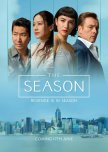
The Season was not originally on my watchlist, but sometimes the best discoveries happen by accident. While browsing Viu and waiting for a new episode of another series, I came across the trailer. Seeing Chris Pang and Justin Chien in the cast was enough to convince me to give it a shot, and I'm glad I did.This six-episode Hong Kong drama combines mystery, suspense, melodrama and psychological thriller elements against the backdrop of Hong Kong's elite social scene. Luxury yachts, charity galas, exclusive parties and powerful families create the perfect setting for a story filled with secrets, betrayal and revenge.
The first episode hooked me almost immediately. Jessie Mei Li's Cola Pierce is introduced early, and from the beginning there is something intriguing about her. At the same time, we're thrown into a world populated by wealthy socialites, arrogant power players and people obsessed with status and reputation. It makes for fascinating viewing.
What really surprised me was how quickly the series starts delivering twists. Most dramas take time to build momentum, but The Season starts dropping revelations from Episode 1. By the end of the premiere, I was completely invested. There were already enough secrets and surprises to make me desperate for the next episode.
Jessie Mei Li is fantastic in the lead role. Cola is smart, determined and easy to root for. Her journey into this exclusive world forms the emotional core of the story, and she handles the role beautifully.
I also appreciated how Asian-led the series is. The predominantly Asian cast brings authenticity and representation that feels refreshing in an international production of this scale.
The story explores much more than glamorous lifestyles. It digs into family legacies, social expectations, revenge, ambition and the consequences of hidden truths. Every episode peels back another layer, revealing just how complicated these relationships really are.
The production value is impressive, and Hong Kong provides a stunning backdrop. Whether it's lavish parties, luxury yachts or breathtaking city views, the series constantly reminds viewers why this city remains one of the most visually captivating locations in the world.
Chris Pang absolutely steals scenes whenever he appears. His performance stands out throughout the season, and for me he is easily one of the strongest members of the cast.
The Season offers an entertaining mix of mystery, wealth, scandal and social drama. It may not reinvent the genre, but it executes it with confidence, style and plenty of twists. I thoroughly enjoyed the ride and will happily rewatch it while waiting for news of a second season.
Was this review helpful to you?

This review may contain spoilers
A Smart and Addictive Mystery Series That Gets Better With Every Clue
I went into Project Loki knowing very little about the original Wattpad novel. My interest was mainly driven by Dylan Menor and Jayda Avanzado, but what I found was one of the most engaging Filipino mystery series I've seen in recent years.The series centres on Loki Mendez and Lorelei Rios, two students drawn into the activities of the Q.E.D. Club, a group dedicated to investigating strange incidents and unsolved mysteries. Through a mix of weekly cases and an overarching conspiracy, the story balances suspense, detective work, psychological intrigue, and campus drama remarkably well.
The writing is one of the show's strongest assets. Every mystery is carefully structured and encourages viewers to participate in solving the puzzle. The detective elements are compelling, the dry humour lands well, and the larger mystery surrounding the characters keeps the momentum going from episode to episode.
Dylan Menor is outstanding as Loki Mendez. He fully commits to the role and convincingly captures the intelligence and mystery that define the character. Jayda Avanzado also delivers a strong performance and handles both the emotional and dramatic moments with ease. Their chemistry adds another layer of enjoyment even though romance is not the story's primary focus.
The supporting cast also deserves recognition. Joanna Lara is charming and memorable as Rhea (appearing in flashbacks). Marco Gallo brings confidence and charisma to Luthor Mendez, while Kurt Delos Reyes stands out with a chilling portrayal of Stein Alberts. His performance is unsettling, calculated, and incredibly effective. Yumi Garcia was the only performance that didn't fully connect with me, particularly in scenes requiring heavier English dialogue.
Visually, the series exceeds expectations. The cinematography is stylish, the colour grading is distinctive, and the overall production feels polished and cinematic. Director Xian Lim deserves credit for creating a strong visual identity while allowing the story and characters to remain the focus.
Project Loki is chilling, mysterious, intelligent, and incredibly easy to get invested in. It proves that Filipino series can successfully explore genres beyond traditional romance and family drama. It's a well-crafted adaptation that respects its audience, trusts its storytelling, and delivers an experience that keeps you wanting more.
Episode one alone is enough to get you hooked.
Was this review helpful to you?

This review may contain spoilers
Love You Teacher Is Emotional, Warm, and Easily PerthSanta’s Best Work Yet
Love You Teacher was honestly one of my most anticipated Thai BL dramas of 2026, mainly because I completely fell for the pairing of Perth Tanapon and Santa Pongsapak in Perfect 10 Liners. From the moment the mock trailer appeared during GMMTV’s 2025 lineup reveal, I already had a feeling this pairing would work beautifully in a full-length series. When the official trailer finally dropped, my excitement only doubled. Thankfully, the actual series more than lived up to the hype. This is genuinely PerthSanta’s best project so far.Produced by GMMTV and Parbdee Taweesuk, Love You Teacher mixes romance, school-life comedy, emotional drama, and caregiving themes into something that feels surprisingly fresh and emotionally layered. The story follows Pobmek, an elementary school teacher who does not really enjoy dealing with children, and his boyfriend Solar, a naturally gentle and caring teacher loved by everyone around him. Their relationship is already established from the start, which immediately makes the series feel different from the usual BL setup.
Everything changes after Solar experiences a traumatic accident that causes neurological damage and occasional mental regression into his seven-year-old self, Sun. It is definitely a strange and risky concept, and I will admit the constant switching between an adult man and a childlike personality can feel uncomfortable at times. But to the show’s credit, it handles the premise far more carefully than expected. Instead of turning it into something exploitative, the story focuses on the emotional consequences of caregiving, grief, exhaustion, and unconditional love.
Santa absolutely shines here. His ability to switch between Solar and Sun is honestly impressive, and I found myself fully invested in understanding his condition and emotional state. Perth is equally fantastic as Pobmek, especially during the heavier scenes where his frustration, sadness, guilt, and emotional burnout become overwhelming. I started tearing up from the very first episode, and from there the series had me emotionally invested every single week.
The chemistry between Perth and Santa remains one of the show’s biggest strengths. Their relationship feels natural, affectionate, and lived-in, which makes the emotional scenes hurt even more. Flashbacks showing how they met and fell in love help balance the present-day heaviness of the story beautifully.
Another standout for me was Kay Lertsittichai as Jee. It was refreshing seeing him play someone genuinely kind, cheerful, and approachable for once, and he added so much warmth to the school setting.
Visually, the series is one of GMMTV’s strongest-looking productions recently. The colours, costumes, and overall art direction feel vibrant and comforting without losing emotional depth. The school environment actually feels alive rather than just existing as a backdrop. Even the humour blends naturally with the heavier moments instead of ruining the emotional tone.
The soundtrack is also excellent, especially “Written in Our Hearts” (ขีดเขียนเรื่องเรา). Perth’s performance of the song feels incredibly sincere and emotional, and you can genuinely feel the authenticity in the way he sings it.
What makes Love You Teacher stand out is how much it tries to talk about within only ten episodes. Beyond Solar’s condition, the series explores adult friendships, difficult family expectations, emotional insecurity, teacher burnout, children dealing with pressure, and the painful reality of constantly being compared to others. Pobmek’s struggles especially felt relatable because many people grow up feeling pressured to meet expectations that were never truly their own.
At times, the drama probably tries to cover too many themes too quickly, and some conflicts get resolved faster than they realistically should. Still, I appreciated that the series was willing to have these conversations at all. Even with its flaws, the emotional sincerity behind everything remains strong.
I also loved the small finale appearances from Keen Suwijak Piyanopharoj as Thara and Sea Dechchart Tasilp as Wayo as intern teachers. It was a fun little surprise for viewers.
Overall, Love You Teacher is emotional, heartfelt, visually polished, and incredibly bingeable. It is the kind of series that quietly pulls you into its world until you suddenly realise how attached you have become to the characters. The premise may require some suspension of disbelief, but the warmth, performances, and emotional honesty make it worth the ride. For me, this easily became one of the best and most memorable Thai BL dramas of 2026.
Was this review helpful to you?
This review may contain spoilers
A Heartwarming Reunion with a Nostalgic Charm
The Time of Fever (also known as When I Feel Your Warmth) is a tender, emotionally charged South Korean BL series that serves as a prequel to Unintentional Love Story, exploring the formative student years of Hotae and Donghee. The series captures the tension and complexity of their friendship, which begins to transform after years apart, as Hotae returns to his hometown to live with Donghee. What begins as a brotherly bond evolves into something deeper and more complicated, as both wrestle with newfound feelings.The plot is straightforward, without unnecessary subplots, allowing the delicate dynamics between Hotae and Donghee to take center stage. The story is not new, but its fresh delivery gives it a refreshing charm. As a spin-off, it complements Unintentional Love Story beautifully by offering a glimpse into the backstory that led to the original drama’s events. Donghee’s quiet longing and Hotae’s gradual realisation of his own feelings are portrayed with an intimacy that feels raw and real.
The cinematography is stunning, with bright yet blurred colours, and the sound design is exceptional, often mimicking the heightened senses of the characters. The attention to detail—like Donghee noticing Hotae’s breath or the tactile tension of a hand on a shoulder—heightens the emotional weight of each scene. The music choices only serve to amplify this atmosphere, drawing viewers into the world of the two leads.
What stands out most is the chemistry between Won Tae-min and Do Woo, reprising their roles from Unintentional Love Story. Their interactions are packed with yearning gazes, subtle gestures, and a palpable connection that carries the show. It feels light and avoids unnecessary melodrama, giving it a natural, lived-in quality.
The tension between Hotae and Donghee is both heart-wrenching and electric. There’s a strong sense of longing, not only for each other but also for clarity in their emotions. The subtle chaos of their relationship—often conveyed through ambiguous dialogue—mirrors the uncertainty they feel internally. The series encapsulates the confusion, curiosity, and fear that often come with young queer love, making it incredibly relatable.
If there’s one thing I would have loved, it’s a final episode showing us what happens years later, after the events of Unintentional Love Story. But as it stands, The Time of Fever is a touching, beautifully told story that left me both satisfied and yearning for more.
The series is a must-watch for fans of the original, and it serves as an emotional prequel that adds new layers of meaning to the relationship between Hotae and Donghee. Rewatch value? Absolutely!
Was this review helpful to you?

Masterpiece
"Last Twilight" is a series that exceeded my expectations and left a lasting impact on me. With a compelling storyline and powerful performances from the cast, it's a masterpiece that showcases the magic of acceptance and the beauty of love.From the start, I had high hopes for this series, knowing that Jimmy and Sea, along with the legendary Director P'Aof, would deliver something truly special. And they did not disappoint. Each episode was emotionally charged, and I found myself fully immersed in the story, preparing myself for a heartbreaking ending.
What sets "Last Twilight" apart is its portrayal of people with disabilities as ordinary individuals capable of experiencing love and life just like anyone else. It teaches us to treat everyone with respect and understanding, showing that true beauty lies in how we perceive the world around us.
The series also offers valuable lessons about facing challenges and never giving up. Day's journey of acceptance and living life to the fullest, despite his condition, is both inspiring and heartwarming. His relationship with Mhok is a testament to the power of love and how it can overcome any obstacle.
"Last Twilight" is not just a love story; it's a celebration of life and the human spirit. It reminds us that as long as we have someone by our side to love and live for, we can conquer anything that comes our way. This series has touched my heart in ways I can't fully describe, and I am grateful to have experienced its beauty and depth.
In conclusion, "Last Twilight" is a true masterpiece that has left a profound impact on me. It's a series that will stay with me for a long time, and I highly recommend it to anyone looking for a meaningful and moving story.
Was this review helpful to you?

This review may contain spoilers
When Justice Fails, How Far Would You Go?
I only intended to find a series I could casually leave running in the background while doing other things. Instead, The Evil Lawyer completely grabbed my attention and refused to let go.This Thai legal thriller follows Mek, a young lawyer whose faith in the justice system is shattered after he is framed for murder. Forced to work alongside the infamous Jittri, a defence lawyer known for manipulating loopholes and bending the rules, he finds himself confronting corruption at every level of society. Together, they navigate a series of interconnected cases that gradually expose a much larger conspiracy involving politicians, judges, police officers, and powerful criminal networks.
What I loved most about this drama is its refusal to deal in simple black-and-white morality. The story constantly challenges viewers to ask difficult questions. If the legal system is corrupt, should people still follow the rules? If innocent lives are being destroyed, can unethical methods ever be justified? As someone who has become quite jaded with the justice system in my own country, I found myself surprisingly sympathetic to Jittri's philosophy. Sometimes the "good guys" feel like they have no choice but to fight dirty against people who abuse their power.
The characters are one of the drama's biggest strengths. Nobody is completely innocent, and nobody is entirely evil. Every character carries emotional scars, personal motivations, and moral compromises. Jittri's team was especially fascinating because she intentionally surrounds herself with people society often dismisses as troublemakers and outcasts. Beneath those labels, however, are intelligent people who have survived injustice and understand how the real world works.
The performances are excellent, particularly from Ying Rhatha Phongam and Nat Kitcharit. Both bring emotional depth and authenticity to their roles, making their characters' struggles feel believable and compelling. Kob Songsit Roongnophakunsri also deserves praise as Anan. His calm and controlled portrayal makes him far more intimidating than a loud, over-the-top villain ever could.
The finale is absolutely wild. The twists kept coming, the stakes escalated dramatically, and several revelations genuinely caught me off guard. Even after the supposed climax, the story continues to surprise, leaving enough unanswered questions to make a second season feel necessary.
My only small issue is that eight episodes felt a little longer than needed for the story being told. It never felt slow or boring, but I do think the premise could have worked equally well as a shorter series or perhaps a two-part film. Still, the pacing remains strong, and every episode contributes something meaningful.
Overall, The Evil Lawyer is an entertaining, thought-provoking legal thriller that combines social commentary, moral ambiguity, strong performances, and unexpected twists. If you're looking for something darker and more mature than the usual romance-heavy dramas, this one is well worth your time.
Was this review helpful to you?

This review may contain spoilers
Finding Your Line: A Quiet Japanese Gem Worth Discovering
I actually stumbled across The Lines That Define Me after spotting the poster on JFF Theatre’s social media. It wasn’t even what I planned to watch that day — but 20 minutes in, I was completely hooked and couldn’t look away.Released in 2022, the film is directed by Norihiro Koizumi, with a screenplay by Sho Kataoka and Koizumi himself, adapted from the novel Sen wa, Boku wo Egaku by Hiromasa Togami. It was distributed in Japan by Toho.
The story follows university student Sōsuke Aoyama (played by Ryusei Yokohama), who is quietly carrying the weight of a devastating personal loss. While working part-time at an art gallery, he encounters traditional Japanese sumi-e (ink wash) painting — and something inside him shifts. That moment leads him to study under master artist Kozan Shinoda (portrayed by Tomokazu Miura), where art slowly becomes a pathway to healing. Along the way, he meets Chiaki (played by Kaya Kiyohara), Kozan’s granddaughter, who is wrestling with her own insecurities as an artist.
I’ll be honest — Japanese live-action films aren’t always at the top of my watch list (anime is a different story entirely). But there was something about this one that pulled me in. And I’m genuinely glad it did.
At its heart, this is a coming-of-age drama about grief, identity, and finding meaning through art. It’s quiet and intentionally paced. It doesn’t force emotion or rely on melodrama. Instead, it lets feelings unfold naturally — like ink spreading across paper. The storytelling is simple, but that simplicity is its strength.
Ryusei Yokohama delivers a beautifully restrained performance. His Sōsuke feels real — burdened, withdrawn, but slowly rediscovering life stroke by stroke. Kaya Kiyohara brings depth to Chiaki, capturing the pressure of living in a legacy while trying to define your own voice. Their dynamic feels grounded and human — not overly romanticised, just honest.
What struck me most is how the film treats sumi-e not just as an art form, but as a metaphor for life. Black ink. Water. Space. No erasing. Every line stays. The message is clear: you have to find your own line — and then use it to draw yourself.
The cinematography is understated but beautiful. The performances are pitch-perfect. Even the quiet humour, particularly from Kozan, adds warmth without undercutting the emotional weight. And the final scene? Genuinely satisfying and quietly powerful.
This film believes something simple yet profound — that we are not finished products. We are unfinished lines, constantly reshaped by loss, love, and choice. Healing isn’t loud. Sometimes it’s just showing up every day and picking up the brush again.
If you’re worried it might be a “boring art film,” don’t be. It’s more than art. It’s about life itself. Beautiful, reflective, therapeutic, and surprisingly moving.
A well-hidden Japanese gem that deserves far more attention.
Was this review helpful to you?

This review may contain spoilers
Young Love in Full Bloom
I had the chance to catch one of the many block screenings of Minamahal: 100 Bulaklak Para Kay Luna, Viva Films’ latest romantic drama written and directed by Jason Paul Laxamana. The film stars Andres Muhlach as Raffy and Ashtine Olviga as Luna—two fresh faces given the challenge of carrying a love story that spans youthful infatuation, growing pains, and the bittersweet truths of adulthood.What struck me first was the sincerity of the film. It isn’t flashy or overly manufactured; instead, it leans on honesty, heart, and grounded storytelling. While chemistry often serves as a film’s main attraction, here it’s not just a highlight—it’s the foundation. The connection between Andres and Ashtine feels lived-in, and Laxamana builds a story around them that resonates long after the credits roll.
Beneath its youthful surface, Minamahal has surprising depth. It’s not only for teenagers navigating their first romances but also for adults who can still recall the ache and beauty of those years. Personally, Raffy’s quiet struggles with his siblings hit close to home—his hesitation to voice his needs, fearing he’s a burden, mirrors how many of us carry ourselves in our own families and friendships. It’s a rare thing for a love story to echo so strongly across age groups.
The film may appear simple at first glance—two students stumbling through love, ambition, and compromise—but it has a way of tugging you back to your younger self. That innocent stage of love, where every glance feels monumental and every goodbye feels permanent, is captured with striking authenticity. There’s nostalgia here, but it never feels forced.
Ashtine Olviga shines as Luna. She approaches the role with both strength and vulnerability, creating a character that feels real and memorable. Yes, there are echoes of her previous work—her Luna at times reminded me of her turn as Jay-jay in Ang Mutya ng Section E—but that familiarity doesn’t detract. If anything, she digs deeper here, showing a maturity in her craft. She breathes life into Luna in ways that linger well beyond the film.
Andres Muhlach, meanwhile, carries the weight of being a Muhlach with surprising grace. True, there are moments where you catch glimpses of his father Aga in his delivery, and his Tagalog accent isn’t always perfect. But what he lacks in polish, he makes up for in raw sincerity. He reminded me a lot of Sam Milby during his early years—green around the edges, but brimming with potential. There were scenes that begged for deeper emotion, maybe even tears he couldn’t quite deliver, yet his honesty shone through. Watching him grow into Raffy felt like watching a young actor slowly claim his own space in the industry. He’s not leaning on his family name; he’s proving he has his own story to tell.
Is the film perfect? Not at all. There are uneven beats and moments that betray the inexperience of its two leads. But oddly enough, that’s where much of its charm comes from. The rawness of the film—the fact that it doesn’t try to be overly polished—gives it an honesty that feels refreshing in local cinema. For a debut outing, it’s a brave and beautiful step forward.
Together, Andres and Ashtine bring a natural energy that makes the film sing. Their sweet, sassy, and giddy moments aren’t forced; they’re heartfelt, even in their flaws. You find yourself rooting for them—not just as Raffy and Luna, but as actors finding their place on screen.
Minamahal may not tick every box for a flawless romance, but it doesn’t need to. It’s nostalgic, heartwarming, and relatable, a film that brings you back to the sweetness of young love while reminding you of the tougher lessons life demands. More than that, it showcases two rising stars who are just beginning to bloom.
And the ending? It resists pure fan service, choosing instead to land on something more meaningful, leaving us with lessons to carry forward. That choice elevates the film, making it more than just a love story—it’s a reflection on growth, courage, and the beauty of simply being honest in love.
Was this review helpful to you?


