

 3
3 2
2


This review may contain spoilers
A Game That Turned Into a Tragedy
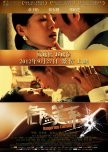
I watched this film years ago, and since then I've watched it a couple more times. It still fascinates me, but I am only now doing a review, triggered by the upcoming release of the K-drama version of the story The Scandal. Of all the adaptations of Pierre Choderlos de Laclos' Les Liaisons dangereuses, the 2012 Chinese version starring Zhang Ziyi, Cecilia Cheung, and Jang Dong-gun remains one of my favorites. While I still place Stephen Frears' 1988 Dangerous Liaisons with Glenn Close, Michelle Pfeiffer, and John Malkovich at the top, this adaptation comes remarkably close because it understands what makes the story timeless: it is not really about seduction. It is about people who believe they can control love, only to discover that love is the one thing no one can control.
At its core, the plot is deceptively simple. Mo Jieyu (Cecilia Cheung), a wealthy, manipulative Shanghai socialite, makes a wager with her former lover, the notorious playboy Xie Yifan (Jang Dong-gun). She challenges him to seduce the virtuous young widow Du Fenyu (Zhang Ziyi) without falling in love with her. If he succeeds, he wins the prize he has always wanted: Jieyu herself. If he fails, he loses more than just a bet. He loses the carefully crafted identity that has defined him for years. The entire scheme begins as little more than entertainment for two bored, privileged people who view love, morality, and human emotions as pieces in a game. It is cruel, cynical, and almost laughably frivolous. That is precisely what makes the story so effective. Neither Jieyu nor Yifan expects genuine feelings to enter the equation. They believe they are the puppeteers, pulling strings from a safe distance. They think they control the script.
But the moment genuine emotions enter the equation, the rules no longer matter. Yifan unexpectedly falls in love with the very woman he was supposed to seduce, while Jieyu realizes far too late that she harbors genuine feelings for Yifan herself. What began as a seemingly harmless wager gradually spirals into a tragedy neither of them anticipated. What makes the story so powerful is that both antagonists are ultimately undone by the very force they spent the entire film trying to control: love. Despite their intelligence, sophistication, and confidence, they are caught completely off guard by emotions they believed they had mastered. Their downfall is not that they lose the game, but that they discover they were never truly in control. By then, the damage is irreversible, lives have been shattered, and the wager that once seemed exhilarating and intriguing leaves no real winners.
For me, Zhang Ziyi (De Fenyu) is the soul of this film; she is the emotional center of this adaptation. Many actresses could have portrayed Du Fenyu as simply innocent or naive. Zhang instead gives her depth, dignity, intelligence, and quiet strength. Fenyu is not weak. She is simply sincere in a world populated by people who mistake cynicism for sophistication. Her performance is what makes Yifan's (Jang Dong-gun) transformation believable. We understand why someone who treats women as conquests gradually becomes captivated by her. She represents authenticity, something completely absent from his world. The tragedy is that Fenyu enters the story with genuine intentions, while everyone around her operates according to hidden agendas. When the truth emerges, Zhang plays the heartbreak with remarkable restraint. Rather than becoming melodramatic, she allows the pain to feel deeply human. Without Zhang's performance, the story would simply be about manipulation. With her performance, it becomes about loss.
Mo Jieyu (Cecilia Cheung) is the architect of this tragedy, and Cecilia Cheung delivers one of the most fascinating versions of the Marquise de Merteuil archetype. Mo Jieyu is glamorous, intelligent, wealthy, and emotionally ruthless. She believes herself above ordinary weaknesses and looks down on people who allow emotions to influence their decisions. Yet beneath her confidence is profound insecurity. What makes Jieyu compelling is that she is not motivated solely by cruelty. She is motivated by wounded pride, jealousy, loneliness, and resentment. She wants revenge against those who have rejected or humiliated her. The wager is not merely a game; it is an attempt to prove she still has power. Cheung captures both the character's elegance and her desperation beautifully. The irony is devastating: the woman who initiates the game ultimately becomes one of its greatest victims.
Xie Yifan (Jang Dong-gun) is the man who lost because he won, and that is the biggest tragedy. Like Valmont in the original novel, he views romance as a sport. Success is measured by conquest, not connection. He is charming because he never takes anything seriously. But slowly, almost against his will, he falls in love. This is where the story becomes fascinating. Yifan technically succeeds in the challenge. Yet in achieving his goal, he defeats himself. The moment his feelings become genuine, the wager becomes meaningless. He wins the game and loses everything. That transformation is one of the film's strongest elements.
Ultimately, the message to me is that love is not a game, and what has always stayed with me about Dangerous Liaisons is how effectively it dismantles the illusion of emotional control. Both antagonists believe they are masters of manipulation. Yifan thinks he can seduce without feeling. Jieyu thinks she can manipulate others without consequence. Both are so devastatingly wrong. The irony is that they are destroyed for almost the same reason. They spend the entire story treating love as a game and discover too late that genuine emotions are unpredictable and uncontrollable. The wager that seemed so insignificant at the beginning becomes the catalyst for tragedy because neither player understands the forces they are unleashing. That lesson gives the story its enduring power.
I think what sets this adaptation apart from all the others is the Shanghai Setting. One of the film's greatest achievements is relocating the story from eighteenth-century French aristocracy to 1930s Shanghai, often called the "Paris of the East." The transition feels surprisingly natural. The wealth, social hierarchy, glamour, and moral decadence that existed among French aristocrats translate seamlessly to Shanghai's elite circles. The lavish costumes, nightclubs, mansions, and charity galas create an atmosphere that is seductive yet emotionally dangerous. The setting is not merely decorative. It reinforces the film's themes of social performance, appearances, and hidden agendas.
How It Compares to Other Adaptations: I will start with the Dangerous Liaisons (1988) film; the Frears adaptation remains the gold standard. Glenn Close's Merteuil is colder and more calculating than Cecilia Cheung's Jieyu. John Malkovich's Valmont is more overtly predatory than Jang Dong-gun's Yifan. Michelle Pfeiffer's Tourvel remains one of the most heartbreaking portrayals of innocence corrupted by love. The 1988 version is sharper and more ruthless. This 2012 version is more romantic and emotionally sympathetic.
Untold Scandal (2003): Like the 2012 film, Untold Scandal relocates the story into an East Asian setting, this time Joseon-era Korea. Both adaptations emphasize emotional tragedy more than the original novel. However, I find Zhang Ziyi's Fenyu more compelling than many versions of Tourvel because of the quiet strength she brings to the role.
Cruel Intentions (1999), on the other hand, modernizes the story for wealthy American teenagers. It captures the manipulation and seduction but lacks the operatic tragedy and emotional weight found in the best adaptations. The Shanghai version feels far richer and more mature in its exploration of love and regret.
My final thoughts on what makes Dangerous Liaisons (2012) special are not merely its beautiful production design or its impressive cast. It captures the fundamental tragedy at the heart of the story. Everything begins with a foolish wager, a joke, a challenge, a game. Yet that game ultimately destroys the very people who believed they were in control. The greatest irony is that neither antagonist expected to become emotionally vulnerable. One falls in love. The other discovers she was never as detached as she believed.
Zhang Ziyi's deeply moving performance is what elevates the film from a stylish adaptation to a genuinely heartbreaking one. By the end, the story is no longer about who won the bet. It is about the terrible cost of discovering that love was real when it is already too late. Absolutely worthy of anyone's time, if not demanding of it.
At its core, the plot is deceptively simple. Mo Jieyu (Cecilia Cheung), a wealthy, manipulative Shanghai socialite, makes a wager with her former lover, the notorious playboy Xie Yifan (Jang Dong-gun). She challenges him to seduce the virtuous young widow Du Fenyu (Zhang Ziyi) without falling in love with her. If he succeeds, he wins the prize he has always wanted: Jieyu herself. If he fails, he loses more than just a bet. He loses the carefully crafted identity that has defined him for years. The entire scheme begins as little more than entertainment for two bored, privileged people who view love, morality, and human emotions as pieces in a game. It is cruel, cynical, and almost laughably frivolous. That is precisely what makes the story so effective. Neither Jieyu nor Yifan expects genuine feelings to enter the equation. They believe they are the puppeteers, pulling strings from a safe distance. They think they control the script.
But the moment genuine emotions enter the equation, the rules no longer matter. Yifan unexpectedly falls in love with the very woman he was supposed to seduce, while Jieyu realizes far too late that she harbors genuine feelings for Yifan herself. What began as a seemingly harmless wager gradually spirals into a tragedy neither of them anticipated. What makes the story so powerful is that both antagonists are ultimately undone by the very force they spent the entire film trying to control: love. Despite their intelligence, sophistication, and confidence, they are caught completely off guard by emotions they believed they had mastered. Their downfall is not that they lose the game, but that they discover they were never truly in control. By then, the damage is irreversible, lives have been shattered, and the wager that once seemed exhilarating and intriguing leaves no real winners.
For me, Zhang Ziyi (De Fenyu) is the soul of this film; she is the emotional center of this adaptation. Many actresses could have portrayed Du Fenyu as simply innocent or naive. Zhang instead gives her depth, dignity, intelligence, and quiet strength. Fenyu is not weak. She is simply sincere in a world populated by people who mistake cynicism for sophistication. Her performance is what makes Yifan's (Jang Dong-gun) transformation believable. We understand why someone who treats women as conquests gradually becomes captivated by her. She represents authenticity, something completely absent from his world. The tragedy is that Fenyu enters the story with genuine intentions, while everyone around her operates according to hidden agendas. When the truth emerges, Zhang plays the heartbreak with remarkable restraint. Rather than becoming melodramatic, she allows the pain to feel deeply human. Without Zhang's performance, the story would simply be about manipulation. With her performance, it becomes about loss.
Mo Jieyu (Cecilia Cheung) is the architect of this tragedy, and Cecilia Cheung delivers one of the most fascinating versions of the Marquise de Merteuil archetype. Mo Jieyu is glamorous, intelligent, wealthy, and emotionally ruthless. She believes herself above ordinary weaknesses and looks down on people who allow emotions to influence their decisions. Yet beneath her confidence is profound insecurity. What makes Jieyu compelling is that she is not motivated solely by cruelty. She is motivated by wounded pride, jealousy, loneliness, and resentment. She wants revenge against those who have rejected or humiliated her. The wager is not merely a game; it is an attempt to prove she still has power. Cheung captures both the character's elegance and her desperation beautifully. The irony is devastating: the woman who initiates the game ultimately becomes one of its greatest victims.
Xie Yifan (Jang Dong-gun) is the man who lost because he won, and that is the biggest tragedy. Like Valmont in the original novel, he views romance as a sport. Success is measured by conquest, not connection. He is charming because he never takes anything seriously. But slowly, almost against his will, he falls in love. This is where the story becomes fascinating. Yifan technically succeeds in the challenge. Yet in achieving his goal, he defeats himself. The moment his feelings become genuine, the wager becomes meaningless. He wins the game and loses everything. That transformation is one of the film's strongest elements.
Ultimately, the message to me is that love is not a game, and what has always stayed with me about Dangerous Liaisons is how effectively it dismantles the illusion of emotional control. Both antagonists believe they are masters of manipulation. Yifan thinks he can seduce without feeling. Jieyu thinks she can manipulate others without consequence. Both are so devastatingly wrong. The irony is that they are destroyed for almost the same reason. They spend the entire story treating love as a game and discover too late that genuine emotions are unpredictable and uncontrollable. The wager that seemed so insignificant at the beginning becomes the catalyst for tragedy because neither player understands the forces they are unleashing. That lesson gives the story its enduring power.
I think what sets this adaptation apart from all the others is the Shanghai Setting. One of the film's greatest achievements is relocating the story from eighteenth-century French aristocracy to 1930s Shanghai, often called the "Paris of the East." The transition feels surprisingly natural. The wealth, social hierarchy, glamour, and moral decadence that existed among French aristocrats translate seamlessly to Shanghai's elite circles. The lavish costumes, nightclubs, mansions, and charity galas create an atmosphere that is seductive yet emotionally dangerous. The setting is not merely decorative. It reinforces the film's themes of social performance, appearances, and hidden agendas.
How It Compares to Other Adaptations: I will start with the Dangerous Liaisons (1988) film; the Frears adaptation remains the gold standard. Glenn Close's Merteuil is colder and more calculating than Cecilia Cheung's Jieyu. John Malkovich's Valmont is more overtly predatory than Jang Dong-gun's Yifan. Michelle Pfeiffer's Tourvel remains one of the most heartbreaking portrayals of innocence corrupted by love. The 1988 version is sharper and more ruthless. This 2012 version is more romantic and emotionally sympathetic.
Untold Scandal (2003): Like the 2012 film, Untold Scandal relocates the story into an East Asian setting, this time Joseon-era Korea. Both adaptations emphasize emotional tragedy more than the original novel. However, I find Zhang Ziyi's Fenyu more compelling than many versions of Tourvel because of the quiet strength she brings to the role.
Cruel Intentions (1999), on the other hand, modernizes the story for wealthy American teenagers. It captures the manipulation and seduction but lacks the operatic tragedy and emotional weight found in the best adaptations. The Shanghai version feels far richer and more mature in its exploration of love and regret.
My final thoughts on what makes Dangerous Liaisons (2012) special are not merely its beautiful production design or its impressive cast. It captures the fundamental tragedy at the heart of the story. Everything begins with a foolish wager, a joke, a challenge, a game. Yet that game ultimately destroys the very people who believed they were in control. The greatest irony is that neither antagonist expected to become emotionally vulnerable. One falls in love. The other discovers she was never as detached as she believed.
Zhang Ziyi's deeply moving performance is what elevates the film from a stylish adaptation to a genuinely heartbreaking one. By the end, the story is no longer about who won the bet. It is about the terrible cost of discovering that love was real when it is already too late. Absolutely worthy of anyone's time, if not demanding of it.
Was this review helpful to you?


