

 2
2 1
1 1
1


This review may contain spoilers
The First Jasmine (2026) — Review
The First Jasmine has captivated me from start to finish. Its greatest achievement lies in the richly drawn central characters and the way their personal struggles intertwine with larger political conflicts, creating a narrative that feels both intimate and epic.
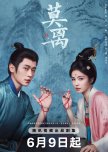
Ye Li, masterfully portrayed by Bai Lu, serves as the emotional anchor of the series. As the eldest daughter of the Ye family, she returns from eight years of seclusion on Lishan Mountain to enter a strategic marriage with the crippled Prince Ding, Mo Xiu Yao. Bai Lu brings remarkable complexity to the role, balancing Ye Li’s outward poise and quiet dignity with the profound inner turmoil stemming from her clan’s persecution. Ye Li is intelligent, strategic, and driven by a deep sense of justice, yet she is also haunted by loss and isolation. The actress excels at conveying subtle shifts in expression moments of calculated calm giving way to glimpses of vulnerability, loneliness, or fierce resolve.
What draws me most to Ye Li is her humanity. She is not an untouchable heroine but a woman shaped by trauma who channels her pain into purposeful action. Her methodical pursuit of those who destroyed Lishan unfolds with precision, yet it never overshadows her capacity for compassion and growth. As the story progresses, we see her navigate the challenges of her new marriage while gradually opening herself to trust. Bai Lu’s performance captures these layers beautifully, making Ye Li’s journey from solitary survivor to integral partner incredibly compelling and relatable.
Mo Xiu Yao/Prince Ding, played by Cheng Lei, proves an equally fascinating counterpart. A once promising prince left physically impaired and politically sidelined after personal tragedies, he carries his own hidden agenda and deep seated pain. Cheng Lei delivers a nuanced portrayal that highlights the character’s quiet strength, sharp intellect, and guarded emotions. His initial suspicion toward Ye Li creates palpable tension, but the slow evolution of their relationship built on mutual respect, shared secrets, and tentative vulnerability becomes the drama’s beating heart.
The chemistry between Bai Lu and Cheng Lei is understated yet powerful. Their interactions, whether in moments of quiet caregiving (such as Ye Li attending to Mo Xiu Yao’s condition) or charged confrontations where truths begin to emerge, feel authentic and layered. Cheng Lei’s expressive performance allows viewers to sense the weight behind Mo Xiu Yao’s restraint, while Bai Lu matches him with emotional precision. Together, they transform from wary spouses into formidable allies, their individual strengths amplified by their partnership. This dynamic explores themes of healing, trust, and resilience in ways that resonate long after watching.
The supporting cast further elevates the story. Ye Ying, Ye Li’s sister, introduces familial jealousy and rivalry that adds emotional friction, particularly in her marriage to Mo Jing Li. Mo Jing Li himself emerges as a multifaceted figure whose ambitions and past connections with Ye Li complicate the central romance. Court officials, the emperor, and other power players bring believable motives and shifting allegiances that heighten the intrigue without feeling contrived. Each character feels purposeful, contributing to a world where personal vendettas and political machinations are deeply intertwined.
One of the drama’s most rewarding elements is its sensitive handling of trauma and recovery. Both protagonists bear significant scars Ye Li’s emotional and psychological burdens from her mountain years, and Mo Xiu Yao’s physical limitations coupled with family losses. Rather than relying on heavy exposition, the series reveals their inner worlds through actions, subtle dialogue, and pivotal revelations. Misunderstandings test their bond, leading to painful yet cathartic developments that strengthen their connection. These character driven moments make the larger revenge and restoration arcs feel personal and earned.
Production values support the strong writing and performances admirably. The Tang inspired visuals, elegant cinematography, and measured pacing allow the characters’ stories to breathe. Political schemes and strategic confrontations are woven seamlessly with quieter, introspective scenes, maintaining engagement across episodes.
Ultimately, The First Jasmine excels because it prioritizes character depth over formulaic tropes. Ye Li and Mo Xiu Yao are not merely vehicles for plot; they are fully realized individuals whose growth, vulnerabilities, and evolving love story form the true heart of the drama. I found myself invested in their fates, admiring their resilience, and rooting for their hard won peace. Bai Lu and Cheng Lei’s performances elevate the material into something memorable and emotionally rich.
This is a drama I recommend wholeheartedly to fans of historical tales with strong character focus, intricate relationships, and satisfying payoffs. It balances revenge, romance, and intrigue with thoughtful execution, leaving a lasting impression.
Ye Li, masterfully portrayed by Bai Lu, serves as the emotional anchor of the series. As the eldest daughter of the Ye family, she returns from eight years of seclusion on Lishan Mountain to enter a strategic marriage with the crippled Prince Ding, Mo Xiu Yao. Bai Lu brings remarkable complexity to the role, balancing Ye Li’s outward poise and quiet dignity with the profound inner turmoil stemming from her clan’s persecution. Ye Li is intelligent, strategic, and driven by a deep sense of justice, yet she is also haunted by loss and isolation. The actress excels at conveying subtle shifts in expression moments of calculated calm giving way to glimpses of vulnerability, loneliness, or fierce resolve.
What draws me most to Ye Li is her humanity. She is not an untouchable heroine but a woman shaped by trauma who channels her pain into purposeful action. Her methodical pursuit of those who destroyed Lishan unfolds with precision, yet it never overshadows her capacity for compassion and growth. As the story progresses, we see her navigate the challenges of her new marriage while gradually opening herself to trust. Bai Lu’s performance captures these layers beautifully, making Ye Li’s journey from solitary survivor to integral partner incredibly compelling and relatable.
Mo Xiu Yao/Prince Ding, played by Cheng Lei, proves an equally fascinating counterpart. A once promising prince left physically impaired and politically sidelined after personal tragedies, he carries his own hidden agenda and deep seated pain. Cheng Lei delivers a nuanced portrayal that highlights the character’s quiet strength, sharp intellect, and guarded emotions. His initial suspicion toward Ye Li creates palpable tension, but the slow evolution of their relationship built on mutual respect, shared secrets, and tentative vulnerability becomes the drama’s beating heart.
The chemistry between Bai Lu and Cheng Lei is understated yet powerful. Their interactions, whether in moments of quiet caregiving (such as Ye Li attending to Mo Xiu Yao’s condition) or charged confrontations where truths begin to emerge, feel authentic and layered. Cheng Lei’s expressive performance allows viewers to sense the weight behind Mo Xiu Yao’s restraint, while Bai Lu matches him with emotional precision. Together, they transform from wary spouses into formidable allies, their individual strengths amplified by their partnership. This dynamic explores themes of healing, trust, and resilience in ways that resonate long after watching.
The supporting cast further elevates the story. Ye Ying, Ye Li’s sister, introduces familial jealousy and rivalry that adds emotional friction, particularly in her marriage to Mo Jing Li. Mo Jing Li himself emerges as a multifaceted figure whose ambitions and past connections with Ye Li complicate the central romance. Court officials, the emperor, and other power players bring believable motives and shifting allegiances that heighten the intrigue without feeling contrived. Each character feels purposeful, contributing to a world where personal vendettas and political machinations are deeply intertwined.
One of the drama’s most rewarding elements is its sensitive handling of trauma and recovery. Both protagonists bear significant scars Ye Li’s emotional and psychological burdens from her mountain years, and Mo Xiu Yao’s physical limitations coupled with family losses. Rather than relying on heavy exposition, the series reveals their inner worlds through actions, subtle dialogue, and pivotal revelations. Misunderstandings test their bond, leading to painful yet cathartic developments that strengthen their connection. These character driven moments make the larger revenge and restoration arcs feel personal and earned.
Production values support the strong writing and performances admirably. The Tang inspired visuals, elegant cinematography, and measured pacing allow the characters’ stories to breathe. Political schemes and strategic confrontations are woven seamlessly with quieter, introspective scenes, maintaining engagement across episodes.
Ultimately, The First Jasmine excels because it prioritizes character depth over formulaic tropes. Ye Li and Mo Xiu Yao are not merely vehicles for plot; they are fully realized individuals whose growth, vulnerabilities, and evolving love story form the true heart of the drama. I found myself invested in their fates, admiring their resilience, and rooting for their hard won peace. Bai Lu and Cheng Lei’s performances elevate the material into something memorable and emotionally rich.
This is a drama I recommend wholeheartedly to fans of historical tales with strong character focus, intricate relationships, and satisfying payoffs. It balances revenge, romance, and intrigue with thoughtful execution, leaving a lasting impression.
Was this review helpful to you?


