

 2
2 1
1 1
1


This review may contain spoilers
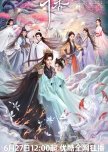
The Eternal Fragrance (2026) — Review
Watching The Eternal Fragrance felt like stepping into a richly layered xianxia-wuxia world that balances grand mythology with intimate character journeys. As someone who appreciates stories where emotional depth drives the plot rather than the other way around, this drama delivered in ways I didn’t fully expect. It’s an adaptation of Shi Si Lang’s novel Qian Xiang Yin, and while it carries the familiar tropes of cultivation academies, ancient secrets, and realm-spanning conflicts, what stayed with me most were the central characters and how their growth, vulnerabilities, and relationship anchored the entire narrative.
Jiang Li Fei / Xiao Bang Chui, portrayed by Ju Jing Yi, is the heart of the story. From her introduction as an orphan from Qingqiu seeking belonging at Chufeng Academy, she carries a quiet determination that feels authentic rather than performative. Ju Jing Yi brings a natural warmth and subtle expressiveness to the role that makes Bang Chui’s early scenes marked by uncertainty and a longing for connection particularly relatable. What I loved most is how the character evolves without losing her core essence. Her transformation into Jiang Li Fei is not just a power-up moment; it’s a profound shift that forces her to grapple with identity, destiny, and the weight of hidden lineages. Ju’s performance shines in these quieter, introspective beats, where you see the internal conflict play across her face. She’s smart, resilient, and occasionally witty in a way that lightens heavier sequences without undermining the seriousness of her arc. By the later episodes, watching her confront societal rejection and embrace her extraordinary abilities felt earned, not rushed.
Opposite her, Song Wei Long’s Lei Xiu Yuan / Ye Sha is the steadfast presence every compelling xianxia-wuxia story needs. His character starts with a clear, personal motivation saving his gravely ill elder brother which grounds him immediately. There’s a quiet intensity to Lei Xiu Yuan that Song Wei Long captures beautifully; he’s not the typical brooding anti-hero shouting about revenge. Instead, he’s loyal, protective, and deeply burdened, yet capable of genuine warmth in his interactions with Bang Chui. Their friendship-to-love progression at the academy is one of the drama’s strongest elements. The shared trials, late-night conversations, and mutual support feel organic. As the story progresses and revelations about fates and powers emerge, Lei Xiu Yuan’s unwavering support becomes a pillar for Bang Chui. Their bond deepens into something profound, especially in the sequences where they navigate danger together. One aspect I particularly appreciated was how the drama allows them time as a couple later on, giving their relationship real emotional weight before the final arcs intensify. It makes the stakes feel personal rather than abstract.
The supporting cast adds meaningful texture. Characters like those in their academy circle start as friends but evolve in ways that reflect the larger conflicts between immortals, demons, and other forces. The drama handles side arcs with varying success some provide welcome levity or additional emotional layers, while others serve more as world-building tools. What impressed me was how even secondary figures contribute to the themes of belonging, sacrifice, and balance across the three realms. The mythical elements, including the Jianmu tree and its powerful fruit, set up high-stakes conflicts without overshadowing the personal stories.
Visually, the production is solid for the genre. The academy settings have a serene beauty that contrasts nicely with the more chaotic battle sequences and realm-shifting moments. Costume design and cinematography enhance the mystical atmosphere, particularly in scenes highlighting Jiang Li Fei’s transformation and the ethereal qualities tied to her origins. The action choreography is competent, though some larger battles lean more on spectacle than innovation. Pacing-wise, the early episodes build the world and relationships effectively, while the middle stretches deepen character motivations. The final arcs bring everything together with satisfying resolutions for the leads and several supporting players, including a hard-won happy ending that respects the sacrifices made along the way.
What I loved most about The Eternal Fragrance is its character focus amid the epic scope. It’s easy for xianxia-wuxia dramas to get lost in power escalations or convoluted prophecies, but here the emotional core remains front and center. Bang Chui’s journey from seeking strength and belonging to accepting a greater destiny is compelling because it’s tied to her relationships and self-discovery. Lei Xiu Yuan’s loyalty isn’t blind; it’s tested and deepened through shared perils and truths uncovered. Their partnership feels like a true alliance of equals by the end, which is refreshing. The drama also explores themes of fate versus choice, societal prejudice against mysterious origins, and the cost of restoring balance ideas that resonate because they’re embodied in the characters’ struggles.
Of course, it’s not flawless. Some plot revelations land with less impact than they could, and certain editing choices make transitions feel abrupt at times. The handling of past-life memories and major identity shifts occasionally lacks the dramatic weight one might expect, coming across almost matter-of-factly. Pacing in the later episodes can feel compressed given the scale of the conflicts. Yet these issues didn’t detract significantly from my overall enjoyment. The performances, particularly from the leads, carry the story through any rough patches.
If you enjoy character-driven xianxia-wuxia with a strong romantic core, meaningful growth, and a blend of academy life, mythical intrigue, and realm-spanning battles, The Eternal Fragrance is worth diving into. It’s the kind of drama where you become invested in the people first, and the grand destiny follows naturally from their choices. Ju Jing Yi and Song Wei Long’s chemistry, combined with the emotional honesty of their characters’ arcs, makes the journey memorable. I finished it feeling satisfied by the balance restored and the bonds that endured. It’s a story that lingers not because of flashy powers, but because of the hearts at its center.
Jiang Li Fei / Xiao Bang Chui, portrayed by Ju Jing Yi, is the heart of the story. From her introduction as an orphan from Qingqiu seeking belonging at Chufeng Academy, she carries a quiet determination that feels authentic rather than performative. Ju Jing Yi brings a natural warmth and subtle expressiveness to the role that makes Bang Chui’s early scenes marked by uncertainty and a longing for connection particularly relatable. What I loved most is how the character evolves without losing her core essence. Her transformation into Jiang Li Fei is not just a power-up moment; it’s a profound shift that forces her to grapple with identity, destiny, and the weight of hidden lineages. Ju’s performance shines in these quieter, introspective beats, where you see the internal conflict play across her face. She’s smart, resilient, and occasionally witty in a way that lightens heavier sequences without undermining the seriousness of her arc. By the later episodes, watching her confront societal rejection and embrace her extraordinary abilities felt earned, not rushed.
Opposite her, Song Wei Long’s Lei Xiu Yuan / Ye Sha is the steadfast presence every compelling xianxia-wuxia story needs. His character starts with a clear, personal motivation saving his gravely ill elder brother which grounds him immediately. There’s a quiet intensity to Lei Xiu Yuan that Song Wei Long captures beautifully; he’s not the typical brooding anti-hero shouting about revenge. Instead, he’s loyal, protective, and deeply burdened, yet capable of genuine warmth in his interactions with Bang Chui. Their friendship-to-love progression at the academy is one of the drama’s strongest elements. The shared trials, late-night conversations, and mutual support feel organic. As the story progresses and revelations about fates and powers emerge, Lei Xiu Yuan’s unwavering support becomes a pillar for Bang Chui. Their bond deepens into something profound, especially in the sequences where they navigate danger together. One aspect I particularly appreciated was how the drama allows them time as a couple later on, giving their relationship real emotional weight before the final arcs intensify. It makes the stakes feel personal rather than abstract.
The supporting cast adds meaningful texture. Characters like those in their academy circle start as friends but evolve in ways that reflect the larger conflicts between immortals, demons, and other forces. The drama handles side arcs with varying success some provide welcome levity or additional emotional layers, while others serve more as world-building tools. What impressed me was how even secondary figures contribute to the themes of belonging, sacrifice, and balance across the three realms. The mythical elements, including the Jianmu tree and its powerful fruit, set up high-stakes conflicts without overshadowing the personal stories.
Visually, the production is solid for the genre. The academy settings have a serene beauty that contrasts nicely with the more chaotic battle sequences and realm-shifting moments. Costume design and cinematography enhance the mystical atmosphere, particularly in scenes highlighting Jiang Li Fei’s transformation and the ethereal qualities tied to her origins. The action choreography is competent, though some larger battles lean more on spectacle than innovation. Pacing-wise, the early episodes build the world and relationships effectively, while the middle stretches deepen character motivations. The final arcs bring everything together with satisfying resolutions for the leads and several supporting players, including a hard-won happy ending that respects the sacrifices made along the way.
What I loved most about The Eternal Fragrance is its character focus amid the epic scope. It’s easy for xianxia-wuxia dramas to get lost in power escalations or convoluted prophecies, but here the emotional core remains front and center. Bang Chui’s journey from seeking strength and belonging to accepting a greater destiny is compelling because it’s tied to her relationships and self-discovery. Lei Xiu Yuan’s loyalty isn’t blind; it’s tested and deepened through shared perils and truths uncovered. Their partnership feels like a true alliance of equals by the end, which is refreshing. The drama also explores themes of fate versus choice, societal prejudice against mysterious origins, and the cost of restoring balance ideas that resonate because they’re embodied in the characters’ struggles.
Of course, it’s not flawless. Some plot revelations land with less impact than they could, and certain editing choices make transitions feel abrupt at times. The handling of past-life memories and major identity shifts occasionally lacks the dramatic weight one might expect, coming across almost matter-of-factly. Pacing in the later episodes can feel compressed given the scale of the conflicts. Yet these issues didn’t detract significantly from my overall enjoyment. The performances, particularly from the leads, carry the story through any rough patches.
If you enjoy character-driven xianxia-wuxia with a strong romantic core, meaningful growth, and a blend of academy life, mythical intrigue, and realm-spanning battles, The Eternal Fragrance is worth diving into. It’s the kind of drama where you become invested in the people first, and the grand destiny follows naturally from their choices. Ju Jing Yi and Song Wei Long’s chemistry, combined with the emotional honesty of their characters’ arcs, makes the journey memorable. I finished it feeling satisfied by the balance restored and the bonds that endured. It’s a story that lingers not because of flashy powers, but because of the hearts at its center.
Was this review helpful to you?


