




Learning to love
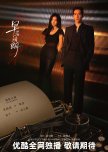
The Early Spring is perhaps one of the most interesting cdramas this year. The leads, Luan Nian and Shang Zhitao, are flawed, sometimes frustrating, occasionally selfish, and often spectacularly bad at communicating. And honestly? That is precisely what makes this drama work.
What I appreciated most is how The Early Spring uses their relationship to explore some very contemporary issues in China: the pressure of succeeding in an increasingly competitive urban environment, workplace hierarchies, ambition, emotional isolation, mental health, and the changing expectations surrounding relationships. Beijing isn't simply a backdrop here. The professional world these characters inhabit shapes how they behave, what they fear, and even how they understand intimacy.
The drama is particularly interesting in the way it approaches mental health. Emotional wounds aren't treated as convenient nor reduces its characters to diagnoses or trauma. Their past experiences influence their reactions, insecurities and coping mechanisms, but they are still responsible for their choices. That's an important distinction, and one the drama generally handles well. Neither Luan Nian nor Zhitao gets a free pass.
Luan Nian can be arrogant, controlling, jealous and downright cruel with his words. His instinct is often to protect rather than communicate, and he has a tendency to decide what is best for Zhitao instead of actually asking her what she wants. His position as her superior also makes some of his decisions considerably more complicated than the drama's romantic framing might initially suggest. He can genuinely care for her and still behave badly. The show doesn't always make that contradiction comfortable, but it does make it interesting.
Zhitao isn't simply the innocent victim of his personality either. Her own decisions repeatedly create problems. She hides things, refuses help, tries to handle difficult situations alone and sometimes mistakes silence for independence. Her desire to protect the people she loves can become another form of self-sabotage. She is sympathetic, but she isn't always right.
And this is where I think The Early Spring is at its best: it understands that intention and impact aren't the same thing.
The leads frequently do things because they believe they are protecting each other, only to cause more damage in the process. They make sacrifices without explaining them. They keep secrets because they think the truth will hurt. They try to spare each other difficult conversations and then become resentful when the other person doesn't magically understand. Their relationship isn't destroyed by a lack of love; it's damaged by two people who repeatedly fail to understand what the other person actually needs.
The character development therefore isn't about suddenly turning toxic people into perfect romantic partners. It's about watching them gradually become more self-aware. Luan Nian has to learn that caring for someone doesn't give you the right to make decisions for them. Zhitao has to learn that independence doesn't mean refusing to rely on anyone. Both have to confront the difference between loving someone and actually knowing how to be in a healthy relationship with them.
I also liked the drama's willingness to let its characters make morally and emotionally ambiguous decisions. There are moments when you can understand exactly why someone does something while simultaneously thinking, “That was a terrible decision". That's much closer to how real relationships work than the usual cdrama dynamic where one character is obviously right and the other simply needs to apologize.
The performances help enormously. Jing Boran makes Luan Nian's unpleasant edges believable without stripping away his vulnerability, while Sun Qian gives Zhitao a quieter but increasingly assured emotional arc. Her character's evolution is particularly satisfying because she doesn't suddenly become a different person; she gradually becomes more confident in understanding herself and what she wants.
The biggest weakness for me is that the drama sometimes takes too long to articulate lessons it has already demonstrated, and the final stretch feels somewhat compressed compared with the amount of time spent establishing the relationship and its problems. Even some of the more important emotional realizations could have benefited from additional breathing room.
Still, I found the messiness more compelling than frustrating overall.
The Early Spring isn't really asking whether Luan Nian and Zhitao love each other. That's obvious almost from the beginning. The more interesting question is whether two imperfect people can recognize the ways they hurt each other, take responsibility for them, and actually change.
And, thankfully, the answer isn't “love fixes everything.” They have to do the work themselves. That's what makes the eventual improvement feel earned. They don't become better people because the plot demands a happy ending. They become better because, eventually, they understand that loving someone isn't enough if you don't also learn how to listen to them, respect their agency, communicate honestly, and take responsibility for your own emotional baggage. Messy, frustrating, sometimes toxic, but ultimately much more thoughtful than the standard workplace romance.
Perhaps the most contemporary thing about The Early Spring is that it doesn't present adulthood, ambition, mental health or relationships as problems with easy solutions. Sometimes growing up simply means realizing that being hurt doesn't automatically make you right, and having good intentions doesn't automatically make your actions good.
What I appreciated most is how The Early Spring uses their relationship to explore some very contemporary issues in China: the pressure of succeeding in an increasingly competitive urban environment, workplace hierarchies, ambition, emotional isolation, mental health, and the changing expectations surrounding relationships. Beijing isn't simply a backdrop here. The professional world these characters inhabit shapes how they behave, what they fear, and even how they understand intimacy.
The drama is particularly interesting in the way it approaches mental health. Emotional wounds aren't treated as convenient nor reduces its characters to diagnoses or trauma. Their past experiences influence their reactions, insecurities and coping mechanisms, but they are still responsible for their choices. That's an important distinction, and one the drama generally handles well. Neither Luan Nian nor Zhitao gets a free pass.
Luan Nian can be arrogant, controlling, jealous and downright cruel with his words. His instinct is often to protect rather than communicate, and he has a tendency to decide what is best for Zhitao instead of actually asking her what she wants. His position as her superior also makes some of his decisions considerably more complicated than the drama's romantic framing might initially suggest. He can genuinely care for her and still behave badly. The show doesn't always make that contradiction comfortable, but it does make it interesting.
Zhitao isn't simply the innocent victim of his personality either. Her own decisions repeatedly create problems. She hides things, refuses help, tries to handle difficult situations alone and sometimes mistakes silence for independence. Her desire to protect the people she loves can become another form of self-sabotage. She is sympathetic, but she isn't always right.
And this is where I think The Early Spring is at its best: it understands that intention and impact aren't the same thing.
The leads frequently do things because they believe they are protecting each other, only to cause more damage in the process. They make sacrifices without explaining them. They keep secrets because they think the truth will hurt. They try to spare each other difficult conversations and then become resentful when the other person doesn't magically understand. Their relationship isn't destroyed by a lack of love; it's damaged by two people who repeatedly fail to understand what the other person actually needs.
The character development therefore isn't about suddenly turning toxic people into perfect romantic partners. It's about watching them gradually become more self-aware. Luan Nian has to learn that caring for someone doesn't give you the right to make decisions for them. Zhitao has to learn that independence doesn't mean refusing to rely on anyone. Both have to confront the difference between loving someone and actually knowing how to be in a healthy relationship with them.
I also liked the drama's willingness to let its characters make morally and emotionally ambiguous decisions. There are moments when you can understand exactly why someone does something while simultaneously thinking, “That was a terrible decision". That's much closer to how real relationships work than the usual cdrama dynamic where one character is obviously right and the other simply needs to apologize.
The performances help enormously. Jing Boran makes Luan Nian's unpleasant edges believable without stripping away his vulnerability, while Sun Qian gives Zhitao a quieter but increasingly assured emotional arc. Her character's evolution is particularly satisfying because she doesn't suddenly become a different person; she gradually becomes more confident in understanding herself and what she wants.
The biggest weakness for me is that the drama sometimes takes too long to articulate lessons it has already demonstrated, and the final stretch feels somewhat compressed compared with the amount of time spent establishing the relationship and its problems. Even some of the more important emotional realizations could have benefited from additional breathing room.
Still, I found the messiness more compelling than frustrating overall.
The Early Spring isn't really asking whether Luan Nian and Zhitao love each other. That's obvious almost from the beginning. The more interesting question is whether two imperfect people can recognize the ways they hurt each other, take responsibility for them, and actually change.
And, thankfully, the answer isn't “love fixes everything.” They have to do the work themselves. That's what makes the eventual improvement feel earned. They don't become better people because the plot demands a happy ending. They become better because, eventually, they understand that loving someone isn't enough if you don't also learn how to listen to them, respect their agency, communicate honestly, and take responsibility for your own emotional baggage. Messy, frustrating, sometimes toxic, but ultimately much more thoughtful than the standard workplace romance.
Perhaps the most contemporary thing about The Early Spring is that it doesn't present adulthood, ambition, mental health or relationships as problems with easy solutions. Sometimes growing up simply means realizing that being hurt doesn't automatically make you right, and having good intentions doesn't automatically make your actions good.
Was this review helpful to you?


