



This review may contain spoilers
Female Empowerment At Its Finest
As someone who loves slice-of-life dramas that dive deep into human behavior, Search: WWW is an absolute goldmine. This isn't a paint-by-numbers romance; it is a layered character study wrapped in modern corporate realism and incredible female empowerment.
What Makes It Work
The show’s greatest strength is its emotional maturity and its refusal to rely on cheap tropes. The conflicts don't stem from "bad guys" or toxic manipulation, but from a genuine, painful clash of core values between two deeply good people.
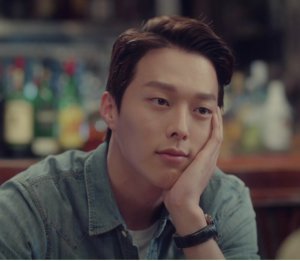
Bae Ta-mi & Park Morgan: Their dynamic is a fascinating look at defense mechanisms. Ta-mi is wound incredibly tight, using her hyper-analytical logic as an armor to protect herself from future hurt. Morgan is a textbook green flag—emotionally articulate, devoted, and steady. The real psychological triumph of the show is watching Ta-mi’s overthinking mind battle her own instincts. When tragedy strikes Morgan, her logical walls completely short-out; her nervous system takes the wheel and sprints her straight to his side. Her body doesn't lie, and holding onto his physical things proved her heart's reality long before her brain caught up. The open ending feels living and breathing because it forces them to maturely navigate the now rather than trying to neatly solve an uncertain future. I wish we could've learned a bit more about Ta-mi's past to have a better understanding of her stance on marriage.
Cha Hyun & Ji Hwan: The ultimate palette cleanser. Cha Hyun is pure joy because she possesses zero emotional armor. Unlike Ta-mi’s repressed anxiety, Cha Hyun has a perfectly regulated emotional release valve—she screams with joy, bawls when sad, and fiercely advocates for Ji Hwan’s gentle, underdog soul. They are pure, earnest, and deeply comforting. My favorite couple to watch.
Song Ga-kyung's Liberation: Watching Ga-kyung break free from the absolute chokehold of her toxic mother-in-law to claim the CEO throne was incredibly cathartic. Stripping away the transactional nature of her marriage actually unlocked a fascinating, protective, and respectful dynamic with her ex-husband. While an explicit, verbal apology and repair work between her and Ta-mi would have been satisfying, their silent reconciliation, standing shoulder-to-shoulder to defend privacy rights, carried immense weight.
The Verdict
From the powerful, refreshing presence of a Black female executive heading the global branch of Unicon, to the iconic final sports car scene celebrating female solidarity, this show fires on all cylinders. Written by Kwon Do-eun (Twenty-Five Twenty-One), it carries her distinct signature: deep respect for human behavior, heavy focus on the power of female relationships, and an unapologetic commitment to emotional honesty over fairy-tale endings. Overall, an intelligent, stylish, and moving drama that honors the messy reality of the present moment. Also, shout-out to the best boss, Brian!
What Makes It Work
The show’s greatest strength is its emotional maturity and its refusal to rely on cheap tropes. The conflicts don't stem from "bad guys" or toxic manipulation, but from a genuine, painful clash of core values between two deeply good people.
Bae Ta-mi & Park Morgan: Their dynamic is a fascinating look at defense mechanisms. Ta-mi is wound incredibly tight, using her hyper-analytical logic as an armor to protect herself from future hurt. Morgan is a textbook green flag—emotionally articulate, devoted, and steady. The real psychological triumph of the show is watching Ta-mi’s overthinking mind battle her own instincts. When tragedy strikes Morgan, her logical walls completely short-out; her nervous system takes the wheel and sprints her straight to his side. Her body doesn't lie, and holding onto his physical things proved her heart's reality long before her brain caught up. The open ending feels living and breathing because it forces them to maturely navigate the now rather than trying to neatly solve an uncertain future. I wish we could've learned a bit more about Ta-mi's past to have a better understanding of her stance on marriage.
Cha Hyun & Ji Hwan: The ultimate palette cleanser. Cha Hyun is pure joy because she possesses zero emotional armor. Unlike Ta-mi’s repressed anxiety, Cha Hyun has a perfectly regulated emotional release valve—she screams with joy, bawls when sad, and fiercely advocates for Ji Hwan’s gentle, underdog soul. They are pure, earnest, and deeply comforting. My favorite couple to watch.
Song Ga-kyung's Liberation: Watching Ga-kyung break free from the absolute chokehold of her toxic mother-in-law to claim the CEO throne was incredibly cathartic. Stripping away the transactional nature of her marriage actually unlocked a fascinating, protective, and respectful dynamic with her ex-husband. While an explicit, verbal apology and repair work between her and Ta-mi would have been satisfying, their silent reconciliation, standing shoulder-to-shoulder to defend privacy rights, carried immense weight.
The Verdict
From the powerful, refreshing presence of a Black female executive heading the global branch of Unicon, to the iconic final sports car scene celebrating female solidarity, this show fires on all cylinders. Written by Kwon Do-eun (Twenty-Five Twenty-One), it carries her distinct signature: deep respect for human behavior, heavy focus on the power of female relationships, and an unapologetic commitment to emotional honesty over fairy-tale endings. Overall, an intelligent, stylish, and moving drama that honors the messy reality of the present moment. Also, shout-out to the best boss, Brian!
Was this review helpful to you?


