
 Editorials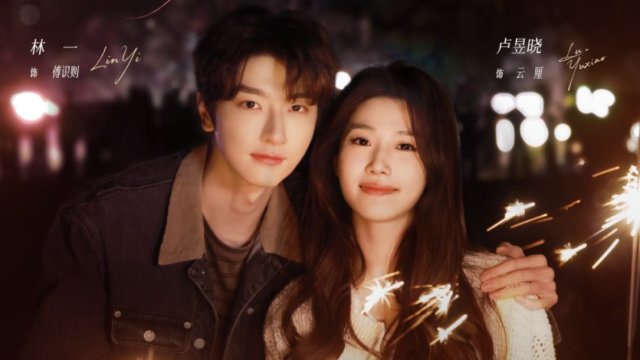

This review may contain spoilers
The Early Spring (2026): A Masterpiece Written in Light and Emotion
Some dramas take time to find their rhythm. *The Early Spring* found mine almost immediately.
From the very first moments, I was captivated by the atmosphere of this drama. That remarkably formal opening immediately establishes a sense of elegance and intention, as if the production were quietly telling us that what follows deserves to be watched with attention. It was one of those rare beginnings that made me stop and simply absorb what was happening on screen. Before the story had even fully unfolded, the visual language had already caught me.
And perhaps one of the first things that stayed with me was **the blue**.
The color appears with such presence that it almost becomes a character of its own. It gives the drama a distinctive identity, sometimes creating distance, sometimes tenderness, sometimes melancholy. Alongside it, the use of lighting is extraordinary. The lights do much more than illuminate a scene; they shape its emotional temperature. Shadows, reflections, warm and cold tones, and carefully framed faces create an atmosphere in which even silence can feel expressive.
This becomes particularly beautiful in the more intimate scenes. There are moments that are considerably daring, yet they never feel gratuitous. The direction and lighting give them an elegant, almost cinematic quality. Sensuality here is not simply about physical closeness; it is about atmosphere, chemistry, anticipation, and the emotions underneath the moment. The camera understands when to stay close and when to allow the characters' expressions to speak for themselves.
That visual confidence is one of the reasons the production feels so impressive.
But beautiful images alone cannot carry a drama this far. They need a story capable of giving them meaning, and that is where the writing and direction deserve enormous recognition. The script gives its characters enough room to make mistakes, grow, hesitate, love, lose, and mature without making their journeys feel artificial. The direction then brings those emotions to the screen with a remarkable sense of restraint. Nothing feels as though it exists merely to fill time. Even the quieter moments have a purpose.
At the center of it all are **Luke and Flora**.
Jing Bo Ran and Sun Qian give performances that make their relationship feel lived-in rather than manufactured. Their chemistry does not depend on constant declarations of love. Sometimes it is found in a look, a pause, a change in expression, or the simple way they occupy the same space. There is tension between them, but there is also tenderness, vulnerability, pride, insecurity, and the inevitable difficulty of learning how to love another person without losing oneself.
What I particularly appreciated is that their relationship is allowed to mature.
Because loving someone and knowing how to love them are not necessarily the same thing.
Luke and Flora are not the same people at the beginning and at the end, and that matters. Their journey is not simply about getting together; it is about understanding what it means to remain together while both people continue changing. Their romance becomes more meaningful precisely because it is not presented as something effortless.
Jing Bo Ran gives Luke a controlled and confident presence, but underneath that exterior there is vulnerability. Sun Qian, meanwhile, allows Flora to grow naturally, gaining confidence and a stronger sense of herself without losing the qualities that made her compelling in the first place. Together, they create a relationship that feels emotionally grounded.
Yet one of the things I loved most about *The Early Spring* is that the story never makes the supporting characters feel like mere extensions of the leads.
I genuinely enjoyed **every character**.
The friends surrounding Luke are a wonderful example. They bring humor, warmth, personality, and a sense that Luke has a life beyond his relationship with Flora. Their interactions give the story breathing room and make the world feel fuller. They are not simply there to create comic relief; they help reveal different sides of Luke and contribute to the emotional rhythm of the drama.
And then there is **Sun Yuan Zhu**, whose story carries an entirely different kind of sadness.
His feelings for Shang Zhi Tao are among the most painful elements of the drama precisely because they remain so restrained. There is something heartbreaking about loving someone and never being able to fully express what exists inside you. His story reminded me that not every love becomes a relationship, and not every genuine feeling receives the ending we wish for.
Liu Xiaobei deserves special praise for bringing that quiet pain to life. Sun Yuan Zhu never feels like a character created merely to generate sympathy. He feels like a complete person, someone whose life continues beyond the central romance, and that makes his emotional journey all the more affecting.
His relationship with **Sun Yu** adds another layer of tenderness and sadness. What moved me was not simply what could or could not happen between them, but the emotional maturity surrounding their story. Sun Yu represents a kind of understanding that comes with knowing that love cannot always be possessed or returned in the way we want. Sometimes maturity means recognizing another person's feelings, accepting reality, and still choosing to care.
There is dignity in that.
And perhaps that is one of the most human messages hidden within the drama: **growing up does not always mean getting what we want; sometimes it means learning how to live with what we cannot change.**
That emotional maturity is present throughout *The Early Spring*. The characters are not defined solely by romance. They are also shaped by friendship, ambition, disappointment, responsibility, sacrifice, mistakes, and the gradual realization that adulthood often requires us to let go of certain versions of ourselves.
The title therefore feels especially appropriate.
Spring represents renewal, but renewal does not erase winter. It comes after it.
And perhaps the characters are all, in their own ways, moving toward their own spring.
The soundtrack deserves its own celebration because it adds another emotional dimension to the drama. It is not merely background music; it becomes part of the experience. Some songs accompany a scene and disappear when the episode ends. Others somehow remain in your head, attached to a particular emotion or memory.
And then there is **Liu Yuning**.
His song is absolutely impressive—and, perhaps most dangerously, **extremely catchy**. It is the kind of song that stays with you without asking permission. Even after leaving the drama behind, the melody can suddenly return to your mind.
And the MV is wonderful.
It captures the same elegance and emotional atmosphere that makes the drama so appealing, turning the song into something that can stand on its own while still belonging unmistakably to the world of *The Early Spring*. So, a very sincere congratulations to Liu Yuning. His voice gives the soundtrack an additional emotional weight, and the result is something genuinely memorable.
But ultimately, what makes *The Early Spring* feel so special is how well all these elements work together.
The writing gives the characters emotional depth. The actors give them life. The directors know how to translate their feelings into images. The lighting gives those images atmosphere. The color palette creates identity. The music gives the emotions another voice. The supporting cast expands the world. And the production brings everything together with an impressive level of care.
That is what makes this feel like more than simply a well-made romance.
It feels like a **complete artistic work**.
There are dramas that are enjoyable while you are watching them and dramas that continue to occupy a small corner of your mind afterward. *The Early Spring* belongs to the second kind.
I came for the story, but stayed for the atmosphere.
I stayed for Luke and Flora, for the friendships, for the characters whose stories quietly unfolded beside the main romance, for Sun Yuan Zhu's unspoken love, for Sun Yu's maturity, for Luke's friends, for those beautifully lit intimate moments, for the striking blue that became part of the drama's identity, and for a soundtrack that somehow refuses to leave your head.
Most importantly, I stayed because the drama understands something simple but profound: **people do not grow because life becomes easier; they grow because they learn how to carry what life gives them.**
That is why Sun Yuan Zhu's story hurts. That is why Luke and Flora's evolution matters. That is why Sun Yu's maturity feels meaningful. And that is why the smaller relationships and friendships deserve to be remembered alongside the central romance.
*The Early Spring* is, in many ways, a celebration of becoming.
Of loving without possessing.
Of letting go without forgetting.
Of understanding that some feelings arrive too early, some too late, and some at exactly the right moment.
It is visually beautiful, emotionally generous, musically memorable, and supported by an ensemble whose work deserves genuine recognition.
So congratulations to **the entire cast, the writer, the directors, the cinematography and lighting teams, the musicians, and every member of the production** who contributed to this work. A drama of this quality is never the achievement of one person; it is the result of many people caring deeply about the world they are creating.
And especially, **congratulations to Liu Yuning**. That song, that voice, and that wonderful MV have become part of what makes this experience even more unforgettable.
For me, *The Early Spring* is not simply a drama I enjoyed.
**It is a masterpiece that caught me from its very first opening and, through its colors, lights, music, characters, and emotions, gradually became something much more difficult to achieve: a story that feels like a memory.**
And perhaps that is the greatest compliment a drama can receive.
Not that it was perfect.
Not that every moment was flawless.
But that, after everything ends, **something of it remains.**
From the very first moments, I was captivated by the atmosphere of this drama. That remarkably formal opening immediately establishes a sense of elegance and intention, as if the production were quietly telling us that what follows deserves to be watched with attention. It was one of those rare beginnings that made me stop and simply absorb what was happening on screen. Before the story had even fully unfolded, the visual language had already caught me.
And perhaps one of the first things that stayed with me was **the blue**.
The color appears with such presence that it almost becomes a character of its own. It gives the drama a distinctive identity, sometimes creating distance, sometimes tenderness, sometimes melancholy. Alongside it, the use of lighting is extraordinary. The lights do much more than illuminate a scene; they shape its emotional temperature. Shadows, reflections, warm and cold tones, and carefully framed faces create an atmosphere in which even silence can feel expressive.
This becomes particularly beautiful in the more intimate scenes. There are moments that are considerably daring, yet they never feel gratuitous. The direction and lighting give them an elegant, almost cinematic quality. Sensuality here is not simply about physical closeness; it is about atmosphere, chemistry, anticipation, and the emotions underneath the moment. The camera understands when to stay close and when to allow the characters' expressions to speak for themselves.
That visual confidence is one of the reasons the production feels so impressive.
But beautiful images alone cannot carry a drama this far. They need a story capable of giving them meaning, and that is where the writing and direction deserve enormous recognition. The script gives its characters enough room to make mistakes, grow, hesitate, love, lose, and mature without making their journeys feel artificial. The direction then brings those emotions to the screen with a remarkable sense of restraint. Nothing feels as though it exists merely to fill time. Even the quieter moments have a purpose.
At the center of it all are **Luke and Flora**.
Jing Bo Ran and Sun Qian give performances that make their relationship feel lived-in rather than manufactured. Their chemistry does not depend on constant declarations of love. Sometimes it is found in a look, a pause, a change in expression, or the simple way they occupy the same space. There is tension between them, but there is also tenderness, vulnerability, pride, insecurity, and the inevitable difficulty of learning how to love another person without losing oneself.
What I particularly appreciated is that their relationship is allowed to mature.
Because loving someone and knowing how to love them are not necessarily the same thing.
Luke and Flora are not the same people at the beginning and at the end, and that matters. Their journey is not simply about getting together; it is about understanding what it means to remain together while both people continue changing. Their romance becomes more meaningful precisely because it is not presented as something effortless.
Jing Bo Ran gives Luke a controlled and confident presence, but underneath that exterior there is vulnerability. Sun Qian, meanwhile, allows Flora to grow naturally, gaining confidence and a stronger sense of herself without losing the qualities that made her compelling in the first place. Together, they create a relationship that feels emotionally grounded.
Yet one of the things I loved most about *The Early Spring* is that the story never makes the supporting characters feel like mere extensions of the leads.
I genuinely enjoyed **every character**.
The friends surrounding Luke are a wonderful example. They bring humor, warmth, personality, and a sense that Luke has a life beyond his relationship with Flora. Their interactions give the story breathing room and make the world feel fuller. They are not simply there to create comic relief; they help reveal different sides of Luke and contribute to the emotional rhythm of the drama.
And then there is **Sun Yuan Zhu**, whose story carries an entirely different kind of sadness.
His feelings for Shang Zhi Tao are among the most painful elements of the drama precisely because they remain so restrained. There is something heartbreaking about loving someone and never being able to fully express what exists inside you. His story reminded me that not every love becomes a relationship, and not every genuine feeling receives the ending we wish for.
Liu Xiaobei deserves special praise for bringing that quiet pain to life. Sun Yuan Zhu never feels like a character created merely to generate sympathy. He feels like a complete person, someone whose life continues beyond the central romance, and that makes his emotional journey all the more affecting.
His relationship with **Sun Yu** adds another layer of tenderness and sadness. What moved me was not simply what could or could not happen between them, but the emotional maturity surrounding their story. Sun Yu represents a kind of understanding that comes with knowing that love cannot always be possessed or returned in the way we want. Sometimes maturity means recognizing another person's feelings, accepting reality, and still choosing to care.
There is dignity in that.
And perhaps that is one of the most human messages hidden within the drama: **growing up does not always mean getting what we want; sometimes it means learning how to live with what we cannot change.**
That emotional maturity is present throughout *The Early Spring*. The characters are not defined solely by romance. They are also shaped by friendship, ambition, disappointment, responsibility, sacrifice, mistakes, and the gradual realization that adulthood often requires us to let go of certain versions of ourselves.
The title therefore feels especially appropriate.
Spring represents renewal, but renewal does not erase winter. It comes after it.
And perhaps the characters are all, in their own ways, moving toward their own spring.
The soundtrack deserves its own celebration because it adds another emotional dimension to the drama. It is not merely background music; it becomes part of the experience. Some songs accompany a scene and disappear when the episode ends. Others somehow remain in your head, attached to a particular emotion or memory.
And then there is **Liu Yuning**.
His song is absolutely impressive—and, perhaps most dangerously, **extremely catchy**. It is the kind of song that stays with you without asking permission. Even after leaving the drama behind, the melody can suddenly return to your mind.
And the MV is wonderful.
It captures the same elegance and emotional atmosphere that makes the drama so appealing, turning the song into something that can stand on its own while still belonging unmistakably to the world of *The Early Spring*. So, a very sincere congratulations to Liu Yuning. His voice gives the soundtrack an additional emotional weight, and the result is something genuinely memorable.
But ultimately, what makes *The Early Spring* feel so special is how well all these elements work together.
The writing gives the characters emotional depth. The actors give them life. The directors know how to translate their feelings into images. The lighting gives those images atmosphere. The color palette creates identity. The music gives the emotions another voice. The supporting cast expands the world. And the production brings everything together with an impressive level of care.
That is what makes this feel like more than simply a well-made romance.
It feels like a **complete artistic work**.
There are dramas that are enjoyable while you are watching them and dramas that continue to occupy a small corner of your mind afterward. *The Early Spring* belongs to the second kind.
I came for the story, but stayed for the atmosphere.
I stayed for Luke and Flora, for the friendships, for the characters whose stories quietly unfolded beside the main romance, for Sun Yuan Zhu's unspoken love, for Sun Yu's maturity, for Luke's friends, for those beautifully lit intimate moments, for the striking blue that became part of the drama's identity, and for a soundtrack that somehow refuses to leave your head.
Most importantly, I stayed because the drama understands something simple but profound: **people do not grow because life becomes easier; they grow because they learn how to carry what life gives them.**
That is why Sun Yuan Zhu's story hurts. That is why Luke and Flora's evolution matters. That is why Sun Yu's maturity feels meaningful. And that is why the smaller relationships and friendships deserve to be remembered alongside the central romance.
*The Early Spring* is, in many ways, a celebration of becoming.
Of loving without possessing.
Of letting go without forgetting.
Of understanding that some feelings arrive too early, some too late, and some at exactly the right moment.
It is visually beautiful, emotionally generous, musically memorable, and supported by an ensemble whose work deserves genuine recognition.
So congratulations to **the entire cast, the writer, the directors, the cinematography and lighting teams, the musicians, and every member of the production** who contributed to this work. A drama of this quality is never the achievement of one person; it is the result of many people caring deeply about the world they are creating.
And especially, **congratulations to Liu Yuning**. That song, that voice, and that wonderful MV have become part of what makes this experience even more unforgettable.
For me, *The Early Spring* is not simply a drama I enjoyed.
**It is a masterpiece that caught me from its very first opening and, through its colors, lights, music, characters, and emotions, gradually became something much more difficult to achieve: a story that feels like a memory.**
And perhaps that is the greatest compliment a drama can receive.
Not that it was perfect.
Not that every moment was flawless.
But that, after everything ends, **something of it remains.**
Was this review helpful to you?


