

Recent Discussions




Both tv shows about actors being paired and screenwrite their own love story. Also both are Chinese actors. The actors show their chemistry on set.

1) Both are comedy
2) Both have romance
3) Both involve a trace of time-travel
4) Both are historical romances
5) Both dramas, have marriages where a man is 'lesser' than his wife. And so, has to obey his wife, who is considered 'higher' than him.
2) Both have romance
3) Both involve a trace of time-travel
4) Both are historical romances
5) Both dramas, have marriages where a man is 'lesser' than his wife. And so, has to obey his wife, who is considered 'higher' than him.


Both have the gaming aspect of it (while one is robots and the other is online gaming). Both of the relationships develop around the gaming world. Both the male leads are "nice" and don't sway once their heart is set on the woman they love. For both the male leads this is their first experience with love.

They have a similar vibe. The same type of humour and elements of crime investigation even if the storyline is totally different.
Both dramas portray Ieyasu as the protagonist, but Aoi is only focusing on the older Ieyasu (to be exact after Hideyoshi death). Both dramas however have different interpretations on the character, where TI is more on the whitewash version, while Aoi is skewed towards the "gray-character" which in my opinion more tally with the historical records.


-Historical
-Moral ambiguity
- Bromance
- Fantasy
- Emotional
Overall I do get a similar vibe of the two main protagonists to Wei Ying and Lan Zhan.
-Moral ambiguity
- Bromance
- Fantasy
- Emotional
Overall I do get a similar vibe of the two main protagonists to Wei Ying and Lan Zhan.
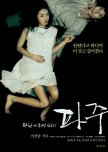

Similarity
>Both main leads fell in love with their teacher
>Both of their teacher are either married or engaged
>Both of the drama/movie are with nudity
>Both have age gap
Differences
>In Kuzu no Honkai the main lead's love for her teacher was never reciprocated
>In Paju the love for each other is reciprocated
>Both main leads fell in love with their teacher
>Both of their teacher are either married or engaged
>Both of the drama/movie are with nudity
>Both have age gap
Differences
>In Kuzu no Honkai the main lead's love for her teacher was never reciprocated
>In Paju the love for each other is reciprocated

>Akira and Mugi is similar to each other that they both chase the teacher that they loved
>Both characters have age gap with their teachers
>The person they love are either engaged or in a relationship
>Both characters has a girl who likes them but they never reciprocated their feeling
>Mugi -> Hanabi and Moka
>Akira -> Runa
>Both characters have age gap with their teachers
>The person they love are either engaged or in a relationship
>Both characters has a girl who likes them but they never reciprocated their feeling
>Mugi -> Hanabi and Moka
>Akira -> Runa
>Both of the main leads are in love with their teacher
>It just happened that their teacher is engaged or married to someone
>Both of them have age gap
>Their feelings with another ended up reciprocated
>It just happened that their teacher is engaged or married to someone
>Both of them have age gap
>Their feelings with another ended up reciprocated

>Both of the main leads have crushes on their teacher
>Their teachers have a fiance or someone who is head over heels
>The second main lead has a crush on the main leads but ended up unreciprocated
>Both of their teachers has an age gap
>Their teachers have a fiance or someone who is head over heels
>The second main lead has a crush on the main leads but ended up unreciprocated
>Both of their teachers has an age gap
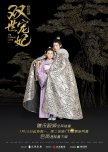
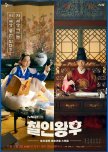
They are both fantasy historical genre. But in the eternal love, a female’s soul travels into another female’s body from the past. The male lead is a prince not a king in this one.


-Parent's unrelenting searching for missing child
-Child abduction
-Child abduction
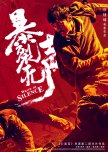
-Parents searching for missing child
-Chinese language film
-Child abduction
-Chinese language film
-Child abduction
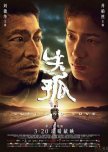
Both films show a father searching relentlessly for his missing son.
Both films tackle missing children and the desperate, long struggle their parents go through trying to find them.


