

Recent Discussions


If you are interested in "The Sword" and "Beloved," you may also find "Love's Rebellion" appealing. "The Sword" likely refers to "The Song of Achilles" by Madeline Miller, rather than a literal sword, while "Beloved" is the novel by Toni Morrison. All three works, along with the Chinese drama "Love's Rebellion," explore themes of trauma, memory, and the enduring effects of difficult pasts, particularly focusing on female characters. They also examine the complexities of love, loss, and the struggle for freedom, albeit in different historical and cultural contexts.
Both our female leads are very strong. One comes from unknown background, living with the lowest identity in the empire. One comes from noble background but forced to build themselves back up with another identity.
Princess agents follows a girl with various secrets; she doesn’t remember who she was and must survive the brutal nobles’ harrassment as a lowly maid. Her unusual martial art potential stirs the interest of a prince, leading them to depend on each other while the political powers sway in different directions.
Legend of the female general is about a great general who took the place of her brother and earned military merits. She is betrayed by her cunning family and is thrown to Yuning temple with blinded eyes. She escapes half-dead and joins the military camp in Yezhou, lead by Xiao Jue (man who’s family was framed by the female lead’s brother as someone who is incompetent).
Princess agents follows a girl with various secrets; she doesn’t remember who she was and must survive the brutal nobles’ harrassment as a lowly maid. Her unusual martial art potential stirs the interest of a prince, leading them to depend on each other while the political powers sway in different directions.
Legend of the female general is about a great general who took the place of her brother and earned military merits. She is betrayed by her cunning family and is thrown to Yuning temple with blinded eyes. She escapes half-dead and joins the military camp in Yezhou, lead by Xiao Jue (man who’s family was framed by the female lead’s brother as someone who is incompetent).
Similarities:
- Food and cooking are central themes
- Male leads start off cold or uninterested in cooking
- Female leads are skilled cooks who teach the male leads
- Cooking becomes a path to emotional growth
- Romance develops slowly through shared cooking
- Workplace/corporate backdrop with a crisis element
- Food is beautifully and deliberately showcased
- Both focus on redemption and personal transformation
- Strong supporting characters help drive growth
- Mentor–mentee dynamic between leads
- Themes of authenticity, healing, and connection through food
- Food and cooking are central themes
- Male leads start off cold or uninterested in cooking
- Female leads are skilled cooks who teach the male leads
- Cooking becomes a path to emotional growth
- Romance develops slowly through shared cooking
- Workplace/corporate backdrop with a crisis element
- Food is beautifully and deliberately showcased
- Both focus on redemption and personal transformation
- Strong supporting characters help drive growth
- Mentor–mentee dynamic between leads
- Themes of authenticity, healing, and connection through food
Liang Chen Mei Jin is a female-centered historical drama set in the Ming Dynasty, following the story of Gu Jin Chao, a resilient woman who is given a second chance at life through rebirth. After a tragic past, she awakens in her younger body, determined to rewrite her fate and take control of her destiny. Surrounded by multiple male leads with varying loyalties and intentions, Gu Jin Chao navigates a web of palace intrigue, family conflict, and emotional entanglements. With her intelligence and inner strength, she rises against the constraints of a patriarchal society, challenging not only her enemies but the expectations placed upon women of her time. The drama blends romance, revenge, and political power plays, all set against the backdrop of lavish costumes and the intricate beauty of the Ming court. Ideal for fans of strong female protagonists and reincarnation narratives, Liang Chen Mei Jin promises a gripping tale of empowerment, love, and second chances.


Both series leverage gender transformation as a device to explore love, identity, and personal growth. Though My Girlfriend Is the Man! accents comedic romance in a modern college setting, and God’s Favor draws more on youthful fantasy and exploring Shinto folklore, they share a thematic heart: what if the person you love looked completely different—would your love still hold?

Both FLs are humans who were born with heart defects and as a child magically absorbed a scale from the ML which healed them. Both MLs are supernatural beings looking for that scale.

Similarities:
- Historical fiction and romance
- Both FLs disguise themselves as men to enter the military
- Setting: academy/training camps
- Both are strong female leads who are skilled and stand out amongst the others
- Brotherhood: FLs bond with male comrades, friendship and loyalty as central themes
Differences:
- FLs have different goals (LotFG: revenge vs. AMA: investigation of her brother's death)
- Time period obviously (LotFG: Northern Wei dynasty vs. AMA: Republican era)
- Historical fiction and romance
- Both FLs disguise themselves as men to enter the military
- Setting: academy/training camps
- Both are strong female leads who are skilled and stand out amongst the others
- Brotherhood: FLs bond with male comrades, friendship and loyalty as central themes
Differences:
- FLs have different goals (LotFG: revenge vs. AMA: investigation of her brother's death)
- Time period obviously (LotFG: Northern Wei dynasty vs. AMA: Republican era)
Liang Chen Mei Jin is a female-centered historical drama set in the Ming Dynasty, following the story of Gu Jin Chao, a resilient woman who is given a second chance at life through rebirth. After a tragic past, she awakens in her younger body, determined to rewrite her fate and take control of her destiny. Surrounded by multiple male leads with varying loyalties and intentions, Gu Jin Chao navigates a web of palace intrigue, family conflict, and emotional entanglements. With her intelligence and inner strength, she rises against the constraints of a patriarchal society, challenging not only her enemies but the expectations placed upon women of her time. The drama blends romance, revenge, and political power plays, all set against the backdrop of lavish costumes and the intricate beauty of the Ming court. Ideal for fans of strong female protagonists and reincarnation narratives, Liang Chen Mei Jin promises a gripping tale of empowerment, love, and second chances.
Liang Chen Mei Jin is a female-centered historical drama set in the Ming Dynasty, following the story of Gu Jin Chao, a resilient woman who is given a second chance at life through rebirth. After a tragic past, she awakens in her younger body, determined to rewrite her fate and take control of her destiny. Surrounded by multiple male leads with varying loyalties and intentions, Gu Jin Chao navigates a web of palace intrigue, family conflict, and emotional entanglements. With her intelligence and inner strength, she rises against the constraints of a patriarchal society, challenging not only her enemies but the expectations placed upon women of her time. The drama blends romance, revenge, and political power plays, all set against the backdrop of lavish costumes and the intricate beauty of the Ming court. Ideal for fans of strong female protagonists and reincarnation narratives, Liang Chen Mei Jin promises a gripping tale of empowerment, love, and second chances.
Liang Chen Mei Jin is a female-centered historical drama set in the Ming Dynasty, following the story of Gu Jin Chao, a resilient woman who is given a second chance at life through rebirth. After a tragic past, she awakens in her younger body, determined to rewrite her fate and take control of her destiny. Surrounded by multiple male leads with varying loyalties and intentions, Gu Jin Chao navigates a web of palace intrigue, family conflict, and emotional entanglements. With her intelligence and inner strength, she rises against the constraints of a patriarchal society, challenging not only her enemies but the expectations placed upon women of her time. The drama blends romance, revenge, and political power plays, all set against the backdrop of lavish costumes and the intricate beauty of the Ming court. Ideal for fans of strong female protagonists and reincarnation narratives, Liang Chen Mei Jin promises a gripping tale of empowerment, love, and second chances.

Liang Chen Mei Jin is a female-centered historical drama set in the Ming Dynasty, following the story of Gu Jin Chao, a resilient woman who is given a second chance at life through rebirth. After a tragic past, she awakens in her younger body, determined to rewrite her fate and take control of her destiny. Surrounded by multiple male leads with varying loyalties and intentions, Gu Jin Chao navigates a web of palace intrigue, family conflict, and emotional entanglements. With her intelligence and inner strength, she rises against the constraints of a patriarchal society, challenging not only her enemies but the expectations placed upon women of her time. The drama blends romance, revenge, and political power plays, all set against the backdrop of lavish costumes and the intricate beauty of the Ming court. Ideal for fans of strong female protagonists and reincarnation narratives, Liang Chen Mei Jin promises a gripping tale of empowerment, love, and second chances.
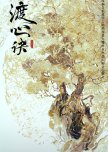
Liang Chen Mei Jin is a female-centered historical drama set in the Ming Dynasty, following the story of Gu Jin Chao, a resilient woman who is given a second chance at life through rebirth. After a tragic past, she awakens in her younger body, determined to rewrite her fate and take control of her destiny. Surrounded by multiple male leads with varying loyalties and intentions, Gu Jin Chao navigates a web of palace intrigue, family conflict, and emotional entanglements. With her intelligence and inner strength, she rises against the constraints of a patriarchal society, challenging not only her enemies but the expectations placed upon women of her time. The drama blends romance, revenge, and political power plays, all set against the backdrop of lavish costumes and the intricate beauty of the Ming court. Ideal for fans of strong female protagonists and reincarnation narratives, Liang Chen Mei Jin promises a gripping tale of empowerment, love, and second chances.
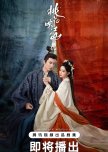
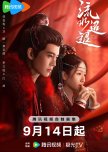
Enemies to lover trope
Both ML work in the court but also have hidden identity to try and uncover something.
Both have very clever FL
Different plots of course but Similar vibes
Both ML work in the court but also have hidden identity to try and uncover something.
Both have very clever FL
Different plots of course but Similar vibes
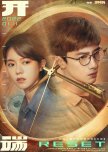
its not korean but its chinese drama.
Its not about murder but its kind of time alerting as well, i think if you liked this drama you will most likely like the one i reccomended
Its not about murder but its kind of time alerting as well, i think if you liked this drama you will most likely like the one i reccomended
Both dramas belong to the slice of life and healing genres...
In both dramas, the FL leaves her job and moves to the countryside...
Both dramas feature village residents who get along well with the ML and warmly welcome the FL into their lives...
Both dramas also showcase exquisite scenery...
In both dramas, the FL leaves her job and moves to the countryside...
Both dramas feature village residents who get along well with the ML and warmly welcome the FL into their lives...
Both dramas also showcase exquisite scenery...


