

332 results found for: Gendai Ninkyouden
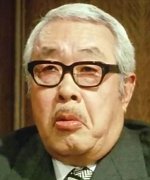
Saga Zenpei
Saga Zenpei was a Japanese actor and filmmaker born in Kanazawa City, Ishikawa Prefecture. He graduated from the Western Painting Department of the Japanese Art School. In 1929, he joined the Japan Proletarian Artist Alliance, but became an actor, and in the same year he entered the Tokyo Left Wing…
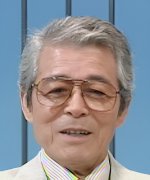
Nitani Hideaki
Nitani Hideaki was a Japanese actor born in Maizuru, Kyoto, Japan. He graduated from Kyoto Prefectural Higashi Maizuru High School (京都府立東舞鶴高等学校) and attended Doshisha University (同志社大学) but dropped out of the Department of English Literature. After leaving university,…
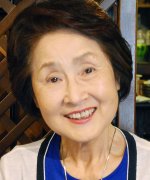
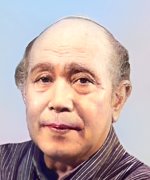
Uchida Asao
Uchida Asao, born Uchida Tomoo in Pyongyang, Korea, during Japanese rule, was a Japanese actor. He was affiliated with Kohinata Project after working with Enkei Theater and the Gekkoai theater troupe. After graduating from Pyongyang First Middle School, Uchida worked for Higashiman Waryu Coal Mine,…
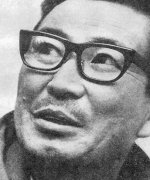
Ashida Shinsuke
Shinsuke Ashida was a Japanese actor. He appeared in more than 90 films between 1952 and 1996.
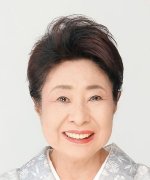
Nakamura Tamao
Nakamura Tamao is a Japanese actress from Sakyo, Kyoto, Kyoto, Japan. She was married to Katsu Shintaro. She died on June 9, 2026 at the age of 86 due to pneumonia. (Source: Wikipedia)
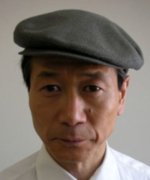
Shiro
Shimomoto, born August 14, 1948 in Osaka, Japan, is a Japanese actor and director best known for appearing in many pink and V-cinema films. He started his career as an actor in director Takahashi Banmei’s pink films in the early 1970s. He has worked with Takahashi in many other films and has also…
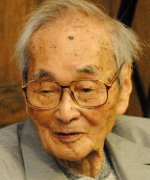
Kinoshita Chuji
Kinoshita Chuji was a Japanese film composer. He was the brother of the film director Kinoshita Keisuke, for whom he composed many film soundtracks. (Source: Discogs)
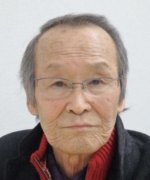
Fukumoto Seizo
Seizo Fukumoto is a Japanese actor. Born February 3, 1943, he entered acting at age 15 in Kyoto, the capital of Japanese cinema. A specialist in film and television jidaigeki set in the Edo period, he most often plays a ronin, but in his hundreds of appearances he has taken nearly every role. His forte…
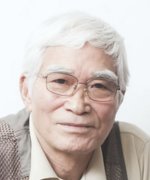
Adachi Masao
Adachi’s career testifies to the opportunities which “pink” cinema provided for the expression of dissident attitudes. He had achieved notice as a student filmmaker collaborating on such creative experimental films as The Lacquered Bowl (Wan, 1961), a tragedy set in an isolated village. From 1966…


