880 results found for: Hanayome no Kake
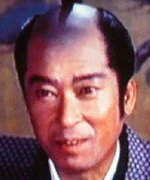
Kobori Akio
Kobori Akio is a Japanese actor from Tokyo. He dropped out of school in 1930 and studied under Inoue Masao to become an actor. He joined the Yokosuka Heavy Gun Regiment in 1941. In the same year, he married Kobori Yoneko. He returned in December 1945 and was scouted for Toyoko Eiga in July 1947, and…
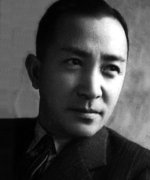
Bando Tsumasaburo
Bando Tsumasaburo was a Japanese Kabuki actor and movie actor born in Hashimoto-cho, Kanda-ku, Tokyo. His brother, sister, and mother died one after another, and his father failed in business and went bankrupt. In 1916 he graduated from Jinjo Elementary School High School. In 1920, when the Shochiku…

Yoshikawa Ai
Yoshikawa Ai is a Japanese actress. While working as a child actress under the name "Yoshida Riko", she was represented by Moon the Child Agency. Her representative works includes the television series Oh! My Girl!!, Hanayome to Papa and Yamada Taro Monogatari. She retired from the entertainment industry…
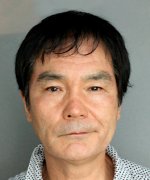
Kanie Keizo
Kanie Keizo was a Japanese actor. He won the award for the best supporting actor at the 1st Yokohama Film Festival for "Angel Guts: Red Classroom" and "Jūkyūsai no Chizu" and at the 12th Yokohama Film Festival for "Ware ni utsu yoi ari" and "Boku to, bokura no natsu". Kanie died on March 30, 2014,…
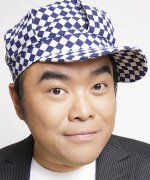
Maeda Ken
Maeda Ken, born in Tokyo, was a Japanese actor, singer, and comedian well-known for his monomane. He also created the Maeken Trance Project, of which he was the leader of several ganguro and kogal, known as LOVE♡BOOM. Maeda went to America when he was 19 and lived in Manhattan for four years. Because…
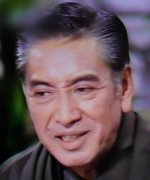
Hasegawa Kazuo
Hasegawa Kazuo was a Japanese actor born in Rokujizo, Horiuchi-mura, Kii-gun, Kyoto Prefecture. His old stage names are Hayashi Chomaru and Hayashi Chojiro. He entered Shochiku from the Kabuki world and became a leading actor in the Shochiku period dramas. After that, he moved to Toho and Daiei and…


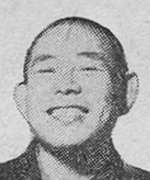
Yanagiya Gontaro I
The first Yanagiya Gontaro was a Japanese rakugoka born in Honjo-ku, Tokyo. In 1939, he belonged to the Toho Meijinkai. In addition, h becomes a signboard rakugoka of Toho along with the 3rd generation Kinba Sanyutei. Even after the war, he remained popular but fell ill in 1950. At the same time, a…