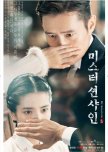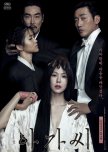
Both are a Censored but the original was wlw.
Both are set in the 1950s?
Both have great cinematography and discusses the role of women in the society.
Both are set in the 1950s?
Both have great cinematography and discusses the role of women in the society.
Just here to spread GL story as much as possible; the only why we have to keep getting GL story is watch the dramas we already have!! This is a Chinese drama so the romance will be censored but I'm sure we will still get a lovely relationship between these two. Also it's historical (one point extra for me) and also the plot looks really intresting!
PS: this drama is based on a manhua with the same name, so if you want a taste of the story you just need to search.
PS: this drama is based on a manhua with the same name, so if you want a taste of the story you just need to search.
Just here to spread GL story as much as possible; the only why we have to keep getting GL story is watch the dramas we already have!! This is a Chinese drama so the romance will be censored but I'm sure we will still get a lovely relationship between these two. Also it's historical (one point extra for me) and also the plot looks really intresting!
PS: this drama is based on a manhua with the same name, so if you want a taste of the story you just need to search.
PS: this drama is based on a manhua with the same name, so if you want a taste of the story you just need to search.
Police officer Pang Hong Mei amid the many obstacles created by U.S. and Jiang spy agents, rescued Ji Danyang, a patriotic scientist who returned from the United States from the enemy spy. She accompanied Ji Danyang to Lumen City to participate in the "Water Drop Project". Enemy special forces formulated a sabotage plan codenamed "Operation Rock" and concentrated their forces and tried to destroy the "Water Drop Project." Pang Hongmei and Ji Dan Yang fought a life-and-death battle with enemy agents in Lumen, thwarted the enemy's conspiracy, protected the "Water Drop Project" and finally achieved the expected success. The couple who went through the test of life and death, also realized their dreams and firm ideals.
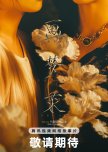
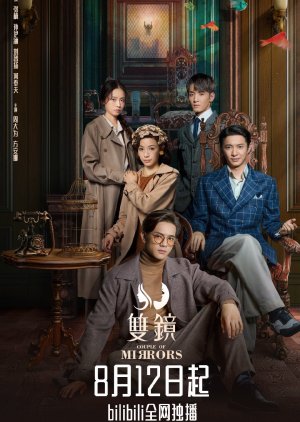
The 2026 Chinese mini-drama Where Colors Dream shares striking narrative DNA with the 2021 series Couple of Mirrors. Both shows cater perfectly to fans of female-centric suspense, historical aesthetics, and deeply intertwined female relationships.
The core similarities between the two series center on several key elements:
1. The Republican Era Backdrop
Both dramas are atmospheric period pieces set during the turbulent Republican Era (????), specifically focusing on urban settings like Shanghai. The era's unique blend of vintage glamour, shifting social classes, and underlying political danger serves as the perfect high-stakes playground for both stories.
2. Forced Alliances Born From Betrayal and Crisis
The inciting incidents of both shows force two women from very different walks of life into an uneasy but necessary partnership:
In Where Colors Dream: An orphaned, down-on-her-luck painter (Dai Luwa) and a framed bank accountant (Tang Shiyi) are thrust into a desperate situation involving a fake painting fraud case and national treasures.
In Couple of Mirrors: A naive, successful author (Zhang Nan) is betrayed by her cheating husband and best friend, embroiling her in a murder mystery that leads her to partner with a secretive photographer/assassin (Sun Yihan).
3. Intense Dual-Heroine Bonds (GL Aesthetics)
At the heart of both shows is a powerful, emotionally intense connection between the two female leads. They move rapidly from strangers to each other’s ultimate safe haven. The marketing and narrative execution of both series lean heavily into the "unbreakable bond" archetype—blurring the lines of deep solidarity, mutual protection, and romantic subtext in a hostile world.
4. Resistance Against a Patriarchal Society
Both dramas use their historical settings to explicitly highlight women’s struggles against systemic oppression.
Where Colors Dream frames its central conflict around female survival and cleverness in a male-dominated business and political landscape.
Couple of Mirrors addresses domestic betrayal, social expectations of women at the time, and the physical dangers they face, showing that the two women can only truly rely on each other to find justice.
5. Creative and Artistic Subthemes
There is a distinct artistic flair woven into the professions of the leads in both shows:
Where Colors Dream leans heavily into visual art, utilizing painting, forgery, and identity swapping as major plot devices (with lead actress Tang Shiyi also infusing her real-world classical dance expertise into the drama's movement style).
Couple of Mirrors juxtaposes the worlds of literature and photography, using the literal and metaphorical concept of "framing" a story or a photograph to mirror the deception happening around them.
Fun Fact: If you love the specific dynamic in Where Colors Dream, it is structurally heavily inspired by the iconic female duo Gu Xiaomeng and Li Ningyu from the famous spy thriller The Message, which shares that exact same high-tension, razor-sharp psychological intimacy found in Couple of Mirrors.
The core similarities between the two series center on several key elements:
1. The Republican Era Backdrop
Both dramas are atmospheric period pieces set during the turbulent Republican Era (????), specifically focusing on urban settings like Shanghai. The era's unique blend of vintage glamour, shifting social classes, and underlying political danger serves as the perfect high-stakes playground for both stories.
2. Forced Alliances Born From Betrayal and Crisis
The inciting incidents of both shows force two women from very different walks of life into an uneasy but necessary partnership:
In Where Colors Dream: An orphaned, down-on-her-luck painter (Dai Luwa) and a framed bank accountant (Tang Shiyi) are thrust into a desperate situation involving a fake painting fraud case and national treasures.
In Couple of Mirrors: A naive, successful author (Zhang Nan) is betrayed by her cheating husband and best friend, embroiling her in a murder mystery that leads her to partner with a secretive photographer/assassin (Sun Yihan).
3. Intense Dual-Heroine Bonds (GL Aesthetics)
At the heart of both shows is a powerful, emotionally intense connection between the two female leads. They move rapidly from strangers to each other’s ultimate safe haven. The marketing and narrative execution of both series lean heavily into the "unbreakable bond" archetype—blurring the lines of deep solidarity, mutual protection, and romantic subtext in a hostile world.
4. Resistance Against a Patriarchal Society
Both dramas use their historical settings to explicitly highlight women’s struggles against systemic oppression.
Where Colors Dream frames its central conflict around female survival and cleverness in a male-dominated business and political landscape.
Couple of Mirrors addresses domestic betrayal, social expectations of women at the time, and the physical dangers they face, showing that the two women can only truly rely on each other to find justice.
5. Creative and Artistic Subthemes
There is a distinct artistic flair woven into the professions of the leads in both shows:
Where Colors Dream leans heavily into visual art, utilizing painting, forgery, and identity swapping as major plot devices (with lead actress Tang Shiyi also infusing her real-world classical dance expertise into the drama's movement style).
Couple of Mirrors juxtaposes the worlds of literature and photography, using the literal and metaphorical concept of "framing" a story or a photograph to mirror the deception happening around them.
Fun Fact: If you love the specific dynamic in Where Colors Dream, it is structurally heavily inspired by the iconic female duo Gu Xiaomeng and Li Ningyu from the famous spy thriller The Message, which shares that exact same high-tension, razor-sharp psychological intimacy found in Couple of Mirrors.