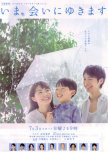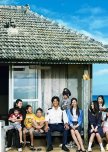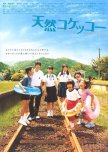
Both dramas take place in small, remote island settings. They centers around doctors and nurses who leave city hospitals behind and must adapt to limited resources while treating local patients on islands. Also include romance.

friendly neighbourhood medical shenanigans, a Seoul-based cold and practical doctor, a big-hearted island girl/guy next door, island setting, the doctor who sticks to their morals and proves to be skilled despite being materialistic and grows to love the small town.
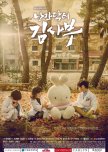
(and also Seasons 2 and 3 of this same series); DR follows a highly skilled and reserved doctor with miraculous abilities and a bad temper, and his different students throughout the seasons who grow as doctors and as humans as the episodes progress.
While DR is a hard-core medical drama with very little focus on other developments, it is very similar in its approach to the medical ethics and the patients as side-characters. Both dramas deal with central characters that are doctors and nurses, and who in turn deal with an array of patients with different conditions belonging to their offbeat and remote corner of South Korea.
If you are more inclined towards the medicine side of Doctor on the Edge, DR might be up your ally.
While DR is a hard-core medical drama with very little focus on other developments, it is very similar in its approach to the medical ethics and the patients as side-characters. Both dramas deal with central characters that are doctors and nurses, and who in turn deal with an array of patients with different conditions belonging to their offbeat and remote corner of South Korea.
If you are more inclined towards the medicine side of Doctor on the Edge, DR might be up your ally.

Doctor Slump and Doctor on the Edge are similar mainly in their focus on burned-out doctors who have hit emotional and professional breaking points. Both dramas shift attention away from high-stakes medical heroics and instead highlight mental exhaustion, career disillusionment, and the pressure of unrealistic expectations within the medical field. Romance develops as a form of mutual support rather than dramatic destiny, with characters finding comfort in someone who truly understands their struggles. The tone in both balances serious themes like failure and self-doubt with warmth and light humor, making healing—rather than medical success—the central journey of the story.

Doctor on the Edge and Summer Strike are similar because both are healing slice-of-life romances centered on characters who leave behind stressful lives and find a fresh start in a quiet coastal community. In Doctor on the Edge, Do Ji-ui relocates to a remote island after a personal setback, while in Summer Strike, Lee Yeo-reum abandons her exhausting city life in search of peace. Both dramas focus on slowing down, reconnecting with oneself, and learning to appreciate the simple moments of everyday life.
Another similarity is their gentle, character-driven romance. Rather than focusing on dramatic conflicts, both stories emphasize emotional healing, personal growth, and the supportive relationships that help the characters move forward. The calm seaside settings, close-knit communities, and comforting atmosphere make both dramas feel warm, reflective, and uplifting as the leads gradually find happiness, purpose, and love.
Another similarity is their gentle, character-driven romance. Rather than focusing on dramatic conflicts, both stories emphasize emotional healing, personal growth, and the supportive relationships that help the characters move forward. The calm seaside settings, close-knit communities, and comforting atmosphere make both dramas feel warm, reflective, and uplifting as the leads gradually find happiness, purpose, and love.
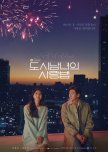
Doctor on the Edge and Lovestruck in the City are similar because both combine romance with emotional healing and self-discovery. In Doctor on the Edge, Do Ji-ui is sent to a remote island where he gradually overcomes personal trauma and forms a connection with nurse Yook Ha-ri. Similarly, Lovestruck in the City follows characters dealing with heartbreak, insecurity, and questions about their identity. Both dramas focus on emotionally wounded adults learning to move forward through meaningful relationships.
Another similarity is their realistic and mature approach to romance. Rather than relying on heavy melodrama, both stories emphasize emotional vulnerability, personal growth, and the way love develops through understanding and support. While Doctor on the Edge has a healing small-town atmosphere and Lovestruck in the City is set in a bustling urban environment, both ultimately show how love can help people heal old wounds and rediscover happiness.
Another similarity is their realistic and mature approach to romance. Rather than relying on heavy melodrama, both stories emphasize emotional vulnerability, personal growth, and the way love develops through understanding and support. While Doctor on the Edge has a healing small-town atmosphere and Lovestruck in the City is set in a bustling urban environment, both ultimately show how love can help people heal old wounds and rediscover happiness.

Doctor on the Edge is also very similar to Welcome to Samdal-ri because both are healing seaside romances set in close-knit island communities where the setting becomes a character in its own right. Welcome to Samdal-ri takes place on Jeju Island, where Sam-dal returns home after her career collapses in Seoul and reconnects with her first love, Yong-pil. Meanwhile, Doctor on the Edge follows a city doctor who arrives on a remote island and gradually becomes involved in the lives of its residents while finding romance there.
What makes them feel especially alike is the emphasis on community. In both dramas, the story isn’t just about the main couple; the island residents, their friendships, family relationships, and everyday lives are equally important. The leads slowly heal through their interactions with the people around them, and the romance develops naturally within that warm, supportive environment.
They also share a strong theme of rediscovering what truly matters in life. Sam-dal returns to Jeju after losing her place in the city and finds healing through her hometown and the people she left behind. Likewise, Ji-ui’s move to the island in Doctor on the Edge forces him to step away from the fast-paced medical world and reconnect with people on a more personal level.
Overall, Doctor on the Edge feels like it belongs in the same family as Welcome to Samdal-ri and Hometown Cha-Cha-Cha: a heartfelt seaside romance filled with beautiful coastal scenery, lovable residents, emotional healing, community spirit, and a protagonist whose life is transformed by an island they never expected to call home.
What makes them feel especially alike is the emphasis on community. In both dramas, the story isn’t just about the main couple; the island residents, their friendships, family relationships, and everyday lives are equally important. The leads slowly heal through their interactions with the people around them, and the romance develops naturally within that warm, supportive environment.
They also share a strong theme of rediscovering what truly matters in life. Sam-dal returns to Jeju after losing her place in the city and finds healing through her hometown and the people she left behind. Likewise, Ji-ui’s move to the island in Doctor on the Edge forces him to step away from the fast-paced medical world and reconnect with people on a more personal level.
Overall, Doctor on the Edge feels like it belongs in the same family as Welcome to Samdal-ri and Hometown Cha-Cha-Cha: a heartfelt seaside romance filled with beautiful coastal scenery, lovable residents, emotional healing, community spirit, and a protagonist whose life is transformed by an island they never expected to call home.

Doctor on the Edge shares similarities with Love 911 because both blend romance with medicine and emergency care. In Love 911, Dr. Mi-soo and firefighter Kang-il are brought together through life-and-death situations and gradually help each other heal from their emotional scars. Similarly, Doctor on the Edge follows Do Ji-ui as he dedicates himself to caring for island residents, where his growing relationship with nurse Yook Ha-ri becomes an important part of his personal growth.
Both stories focus on people who spend their lives helping others while struggling with their own emotional burdens. Through their work and their relationships, the leads learn to heal, trust, and move forward. While Love 911 is a more intense romantic drama centered on emergency rescues and tragedy, Doctor on the Edge takes a warmer, seaside healing-drama approach. However, both share themes of compassion, emotional recovery, and romance blossoming through caring for others.
Both stories focus on people who spend their lives helping others while struggling with their own emotional burdens. Through their work and their relationships, the leads learn to heal, trust, and move forward. While Love 911 is a more intense romantic drama centered on emergency rescues and tragedy, Doctor on the Edge takes a warmer, seaside healing-drama approach. However, both share themes of compassion, emotional recovery, and romance blossoming through caring for others.

Both Doctor on the Edge and The Doctors share strong similarities as medical K-dramas that blend hospital life with romance and emotional character growth. In both series, the medical setting is more than just a backdrop—it actively shapes the characters’ personal journeys, ethical dilemmas, and relationships with colleagues and patients. Each drama places a strong emphasis on personal transformation through medicine: The Doctors follows a troubled youth who matures into a compassionate doctor through mentorship and lived experience, while Doctor on the Edge centers on doctors pushed to their emotional and professional limits, forcing growth through endurance and resilience. Romance is also deeply intertwined with the workplace in both shows, with relationships between medical professionals driving much of the emotional core and character motivation. While The Doctors leans more heavily into melodrama and long-term emotional healing, Doctor on the Edge is expected to approach similar themes with a lighter, more modern romantic-comedy tone, making them feel different in style but closely aligned in themes of healing, love, and personal redemption within the medical world.
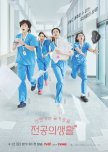
Both Are Set in the Medical World
• Resident Playbook revolves around first-year OB-GYN residents at Jongno Yulje Medical Center, showing the day-to-day of hospital life, patient care, and the pressures of residency training.
• Doctor on the Edge — from early cast info and description — appears to be a medical drama/rom-com that focuses on doctors on the brink (suggesting high-stress medical environments).
• Resident Playbook revolves around first-year OB-GYN residents at Jongno Yulje Medical Center, showing the day-to-day of hospital life, patient care, and the pressures of residency training.
• Doctor on the Edge — from early cast info and description — appears to be a medical drama/rom-com that focuses on doctors on the brink (suggesting high-stress medical environments).

Doctor on the Edge and Descendants of the Sun are similar because both dramas focus on romance developing in difficult and emotionally intense environments. In both stories, the male leads are burdened by responsibility and emotional scars, while the female leads are compassionate and emotionally grounding figures who slowly help them heal.
The chemistry between Do Ji-ui and Yook Ha-ri in Doctor on the Edge feels very similar to the chemistry between Yoo Si-jin and Kang Mo-yeon in Descendants of the Sun. Both couples have a mature and emotional relationship built through shared hardships, dangerous situations, and caring for other people. Instead of relying on exaggerated romance, both dramas focus on quiet emotional moments, lingering eye contact, playful teasing, and emotional support.
Do Ji-ui is similar to Yoo Si-jin because both men hide emotional pain behind calm and capable personalities. They are devoted to their duties even when it damages their personal lives. Yook Ha-ri is similar to Kang Mo-yeon because both women are strong medical professionals who challenge the male leads emotionally while also becoming their source of comfort and warmth.
Another similarity is the setting. In Descendants of the Sun, the characters work in dangerous disaster and military zones, while in Doctor on the Edge, the characters work on an isolated island with limited medical resources. These harsh environments force the characters to rely on each other emotionally and physically, which naturally deepens the romance.
The biggest difference is the tone. Descendants of the Sun is more cinematic and action-heavy with military missions and large-scale disasters, while Doctor on the Edge is quieter, more intimate, and focused on emotional healing within a small community. Even so, both dramas create the same feeling of romance growing through sacrifice, duty, and emotional vulnerability.
The chemistry between Do Ji-ui and Yook Ha-ri in Doctor on the Edge feels very similar to the chemistry between Yoo Si-jin and Kang Mo-yeon in Descendants of the Sun. Both couples have a mature and emotional relationship built through shared hardships, dangerous situations, and caring for other people. Instead of relying on exaggerated romance, both dramas focus on quiet emotional moments, lingering eye contact, playful teasing, and emotional support.
Do Ji-ui is similar to Yoo Si-jin because both men hide emotional pain behind calm and capable personalities. They are devoted to their duties even when it damages their personal lives. Yook Ha-ri is similar to Kang Mo-yeon because both women are strong medical professionals who challenge the male leads emotionally while also becoming their source of comfort and warmth.
Another similarity is the setting. In Descendants of the Sun, the characters work in dangerous disaster and military zones, while in Doctor on the Edge, the characters work on an isolated island with limited medical resources. These harsh environments force the characters to rely on each other emotionally and physically, which naturally deepens the romance.
The biggest difference is the tone. Descendants of the Sun is more cinematic and action-heavy with military missions and large-scale disasters, while Doctor on the Edge is quieter, more intimate, and focused on emotional healing within a small community. Even so, both dramas create the same feeling of romance growing through sacrifice, duty, and emotional vulnerability.