

 2
2 2
2


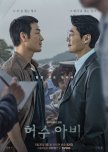
Emotion worked out but Thriller faded away in that emotion
After a long time we got a proper period thriller, especially at a time when the Korean crime thriller genre slowly got pushed back from the mainstream. We already knew this drama was like a bigger version of Memories of Murder, which is one of the greatest Korean films of all time, based on the real-life serial murders by Lee Chun-jae that happened in places like Hwaseong, Gyeonggi from the 1980s to early 1990s. So imagine how much effort the writer and director put into crafting this drama.
Screenwriter Lee Ji-hyun and director Park Joon Woo said, “Our story is not about how the killer got caught or failed to get caught. The system failed to catch him, but we are trying to show how the victims’ families were affected by those crimes.”
Chapter 01 — Story & Screenplay
After the real killer was caught in 2021, writer Lee Ji-hyun met the victims’ families, heard their side of the story, and decided to tell this story from their perspective.
Like the writer said, the story runs between past and present timelines. The original Memories of Murder movie only runs in the 80s timeline, but since the real killer was finally caught in 2021, Lee Ji-hyun carefully crafted the drama between both timelines. She reportedly worked on this story and kept making changes for almost five years, and we can clearly feel that effort in the writing.
One unique aspect of the storytelling is how the story gets narrated through both the killer and the protagonist Park Tae-joo. It’s a smart storytelling choice because from the very first episode the viewers immediately connect to the mystery with the question, “Who is the killer?” After some episodes we can guess who the killer might be, but later we realize that’s not even the main point of the drama. The real focus is on the victims’ families, the police authority, and how this crime emotionally destroyed people around it.
The main conflict of the drama is family emotion. The writer created a fictional family and connected it to the real case. Even though Park Tae-joo is a fictional character, the emotional core of the story runs through him and his family. That layer adds emotional depth, but at the same time it also makes the drama feel like a family melodrama instead of a crime thriller in some portions.
The investigation itself slowly gets sidelined and by the end it simply becomes more of a family story. The emotional layer works, but sometimes it feels overused. Also, director Park Joon Woo reportedly wanted to kill Park Tae-joo’s character at the end, but the writer refused it.
Chapter 02 — Characters & Acting
Like Memories of Murder, this drama also has two dynamic lead characters, but both have completely opposite character arcs. I don’t want to say much more about that.
The drama explores every side of its characters so deeply that our opinions on them keep changing. The subtle psychological emotions of every character feel very real.
Park Hae-soo is the pillar of this drama. His acting goes to another level here. The emotional and psychological depth he portrayed was perfect. There’s one scene where we literally cry along with him.
Another pillar of the drama is Lee Hee-joon. His role is multidimensional and not easy to portray, but actors like Lee Hee-joon make difficult roles look effortless. His performance is almost equal to Park Hae-soo’s and honestly one of the best performances of his career.
Kwak Sun-young, Seo Ji-hye, Song Geon-hee, Jung Moon-sung, and the supporting cast also delivered very grounded and well-settled performances.
Chapter 03 — Technical Aspects
One of the biggest assets of this drama is its production design. The sets, atmosphere, and visuals perfectly take us back to old Korea and make the period setting feel believable.
The cinematography is another major strength. It captures the loneliness and realism of those old days beautifully.
The soundtrack also plays a vital role in elevating the scenes. It feels like they intentionally used instrumental music inspired by the 90s era to keep the soundtrack organic and emotionally immersive throughout the drama.
Chapter 04 — Final Opinion
Korean thrillers are always great, but whether a thriller truly works or not depends on how satisfying the storytelling feels for the viewers. Some thrillers become masterpieces while some fail because of how the story is presented.
I would say The Scarecrow is definitely a good thriller, but not one of the greatest thrillers ever made.
In my opinion, the writer focused more on the fictional family emotions than strengthening the original investigation and crime aspects. The writer already said the intention was to show the victims’ side of the story, but instead of deeply focusing on that point, the drama mostly relies on the protagonist’s fictional family drama.
If those emotional elements were used just as an additional layer, it would have worked better. But when fictional family emotions start overpowering a story inspired by real crimes, it feels slightly disconnected from the original emotional weight of the case.
The investigation arc itself feels weak and underdeveloped. It stops without giving proper closure because the story shifts more into family emotions. For a crime thriller, the investigation procedures needed much more strength and depth.
I enjoyed the drama overall, but something still I felt incomplete by the end.
Still… definitely deserved to be watched
by Shinnosuke Lee
Screenwriter Lee Ji-hyun and director Park Joon Woo said, “Our story is not about how the killer got caught or failed to get caught. The system failed to catch him, but we are trying to show how the victims’ families were affected by those crimes.”
Chapter 01 — Story & Screenplay
After the real killer was caught in 2021, writer Lee Ji-hyun met the victims’ families, heard their side of the story, and decided to tell this story from their perspective.
Like the writer said, the story runs between past and present timelines. The original Memories of Murder movie only runs in the 80s timeline, but since the real killer was finally caught in 2021, Lee Ji-hyun carefully crafted the drama between both timelines. She reportedly worked on this story and kept making changes for almost five years, and we can clearly feel that effort in the writing.
One unique aspect of the storytelling is how the story gets narrated through both the killer and the protagonist Park Tae-joo. It’s a smart storytelling choice because from the very first episode the viewers immediately connect to the mystery with the question, “Who is the killer?” After some episodes we can guess who the killer might be, but later we realize that’s not even the main point of the drama. The real focus is on the victims’ families, the police authority, and how this crime emotionally destroyed people around it.
The main conflict of the drama is family emotion. The writer created a fictional family and connected it to the real case. Even though Park Tae-joo is a fictional character, the emotional core of the story runs through him and his family. That layer adds emotional depth, but at the same time it also makes the drama feel like a family melodrama instead of a crime thriller in some portions.
The investigation itself slowly gets sidelined and by the end it simply becomes more of a family story. The emotional layer works, but sometimes it feels overused. Also, director Park Joon Woo reportedly wanted to kill Park Tae-joo’s character at the end, but the writer refused it.
Chapter 02 — Characters & Acting
Like Memories of Murder, this drama also has two dynamic lead characters, but both have completely opposite character arcs. I don’t want to say much more about that.
The drama explores every side of its characters so deeply that our opinions on them keep changing. The subtle psychological emotions of every character feel very real.
Park Hae-soo is the pillar of this drama. His acting goes to another level here. The emotional and psychological depth he portrayed was perfect. There’s one scene where we literally cry along with him.
Another pillar of the drama is Lee Hee-joon. His role is multidimensional and not easy to portray, but actors like Lee Hee-joon make difficult roles look effortless. His performance is almost equal to Park Hae-soo’s and honestly one of the best performances of his career.
Kwak Sun-young, Seo Ji-hye, Song Geon-hee, Jung Moon-sung, and the supporting cast also delivered very grounded and well-settled performances.
Chapter 03 — Technical Aspects
One of the biggest assets of this drama is its production design. The sets, atmosphere, and visuals perfectly take us back to old Korea and make the period setting feel believable.
The cinematography is another major strength. It captures the loneliness and realism of those old days beautifully.
The soundtrack also plays a vital role in elevating the scenes. It feels like they intentionally used instrumental music inspired by the 90s era to keep the soundtrack organic and emotionally immersive throughout the drama.
Chapter 04 — Final Opinion
Korean thrillers are always great, but whether a thriller truly works or not depends on how satisfying the storytelling feels for the viewers. Some thrillers become masterpieces while some fail because of how the story is presented.
I would say The Scarecrow is definitely a good thriller, but not one of the greatest thrillers ever made.
In my opinion, the writer focused more on the fictional family emotions than strengthening the original investigation and crime aspects. The writer already said the intention was to show the victims’ side of the story, but instead of deeply focusing on that point, the drama mostly relies on the protagonist’s fictional family drama.
If those emotional elements were used just as an additional layer, it would have worked better. But when fictional family emotions start overpowering a story inspired by real crimes, it feels slightly disconnected from the original emotional weight of the case.
The investigation arc itself feels weak and underdeveloped. It stops without giving proper closure because the story shifts more into family emotions. For a crime thriller, the investigation procedures needed much more strength and depth.
I enjoyed the drama overall, but something still I felt incomplete by the end.
Still… definitely deserved to be watched
by Shinnosuke Lee
Was this review helpful to you?


