
 Editorials


No Speed Ok Love
I jumped into Speed and Love after seeing all the hype on MyDramaList—everyone raving about it. But honestly? I think it's me; Chinese dramas just don't do it for me.First off, the pacing is glacial. It makes sense for epics packed with info dumps and character arcs, but here? The first few episodes lay out the characters, their backgrounds, and motivations crystal clear. Yet the story drags on with endless filler—repeating the same info over and over. It got boring and repetitive fast.
Second, zero chemistry between the leads. The male lead is a solid actor; his emotions sell the genuineness of his love for her. Esther Yu's acting has improved a ton, but it's still not there. The show throws in some steamy scenes to fake sparks, but story-wise and performance-wise? Nada. And don't get me started on the male lead constantly running away from her "in the name of love"—total bullshit trope that killed it for me.
The only thing I liked about this series was the racing arc, the racing visuals, cars and technical jargon was actually good.
In the end, if you're a C-drama fan, you'll probably love it. For me? It did absolutely nothing. Skip if slow-burn repetition isn't your vibe.
Was this review helpful to you?
This review may contain spoilers
A good watch
The alternate-history setting is truly unique and interesting theme.IU brings her signature charm to Seong Hui-ju — bold, a little chaotic, and deeply compelling. Byeon Woo-seok as Grand Prince Yi-an is quietly magnetic — his character carries layers of suppressed pain and guarded hope that he conveys with real restraint. But what truly made this drama feel alive was its ensemble. Every supporting character — from the scheming court figures to the loyal side characters — added genuine texture to the world. The supporting cast didn't just exist to fill scenes; they made you care about the universe beyond the central romance. When a drama succeeds at that, it's a sign of both strong writing and a committed cast delivering at every level.
A formal petition was posted to the National Assembly's public petition board criticizing the drama for allegedly borrowing Chinese-style clothing, etiquette, and vocabulary despite being set in a fictionalized version of Korea — with petitioners arguing it engaged in cultural appropriation and historical distortion. Specific criticisms included details like the use of nine strings when emperors use twelve, and the greeting "Cheon-cheon-se" when emperors are traditionally greeted with "Man-man-se." As a history buff, these are not trivial points. Attention to cultural and historical detail matters — especially now, when Korean dramas and films are no longer viewed only domestically, with the entire world watching. The concern that a globally distributed show could muddle Korean identity and it's a conversation the industry genuinely needs to have.
That said, the drama was set in an alternate version of modern Korea operating under a constitutional monarchy — a work of fiction, not a history lesson. The leap from "this drama made historical missteps" to "demand the immediate suspension of the drama's broadcast and its complete removal from VOD and OTT platforms" is a dramatic one. Demanding erasure of a creative work over correctable errors — ones the production team did address with edits and apologies — crosses into overcorrection. Art can be criticized and improved; it doesn't need to be destroyed.
The drama's biggest missed opportunity, for me, is the ending of the monarchy thread. The show builds a world where royalty and privilege are woven into everyday modern life, which creates a perfect canvas to explore how that very structure harms ordinary people. The rigid class divisions, the way Hui-ju's illegitimate birth becomes an obstacle despite all her ability, the political maneuvering to protect royal bloodlines — all of it hints at a deeper critique. But the drama never quite commits to it.
It would have been powerful to see concrete moments showing how royal status and inherited privilege extract a real cost from common people — not just as a backdrop for the romance, but as a theme the story actually wrestled with. That layer of social commentary would have elevated Perfect Crown from a very enjoyable rom-com into something more memorable and meaningful.
Was this review helpful to you?
This review may contain spoilers
Bonus episode?
I didn't know this existed, but that God MDL exists, thought I couldn't find the episode with english subtitles and still watched it. I just love to see the main leads so 😅 Also this episode was kinda needed as I wanted to know about the colleague's relationship status as we saw that the FL saw the bf hanging out with a girl, FL went behind them but at last decided not to involve herself, I didn't like that, but I guess that's my pov. It was a good closing episode with allm the main characters meeting each other. Though I would have loved if they showed the sister and her current love interest's story as well.Was this review helpful to you?
This review may contain spoilers
Adrenaline rush!
This series was basically a power fantasy for anyone who's ever wanted to see a bully get what's coming to them. The premise: teachers have zero authority left, kids are running wild, so the government creates this task force (the ERPB) that basically gets a free pass to physically discipline bullies and toxic parents when the system fails, the exact kind of vengeance people secretly wish would happen in real life.And honestly? Such a breath of fresh air. I know, I know — violence isn't the answer, we all know that. But watching these bullies get absolutely humbled after episode after episode of them being untouchable? So satisfying. Bullies make my blood boil in general, so seeing someone finally step in hit different.
Kim Mu-yeol carries the whole thing too. He's giving serious John Wick energy in the fight scenes, like genuinely people are asking why this man isn't a full-blown action star already. Jin Ki-joo, Lee Sung-min, and P.O round out the squad and they've all got good chemistry, so it doesn't feel like a one-man show.
Was this review helpful to you?
Ji Chang Wook??
The entire cast delivers — Nam Ji Hyun brings warmth, humor, and quiet depth to Bong Hee, and the supporting ensemble adds texture at every turn. But this drama belongs to Ji Chang Wook. His portrayal of Ji Wook is layered in a way that transcends the role: brooding without being cold, vulnerable without losing strength. The on-screen chemistry between the leads is electric, and their comedic timing together is just as impressive as the emotional scenes.Ji Chang Wook genuinely stole the show — and not just through acting. The man is the definition of handsome. Even in the most serious or heartbreaking scenes, it was impossible not to get distracted by how beautiful he is. Every frame he is in becomes a little harder to focus on, in the best possible way. He is a rare kind of screen presence — one where you are simultaneously watching the story and just... watching him.
The direction handles tonal shifts with real confidence — switching between a murder investigation, courtroom tension, and lighthearted romantic moments without ever feeling jarring. The pacing is thoughtful, the OST is gorgeous, and the cinematography gives the leads space to breathe and feel. This is the kind of drama where production quality quietly elevates everything.
The only thing I felt a little lacking was the pacing, it felt very dragged and could have easily ended at 16 episodes.
Was this review helpful to you?
This review may contain spoilers
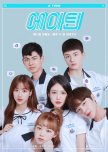
Its is a delightful, easy-to-watch Korean web drama that punches above its weight given its short episode runtime. It won't reinvent the coming-of-age genre, but it doesn't need to. Its charm lies in its warmth, relatability, and the quiet sincerity with which it portrays the messy, beautiful business of being a teenager. One of the best things about the series is the very relatable topics it deals with — real-life sources of anxieties such as exams, broken trust, arguments between friends, and feeling insecure around friends who seemingly have their life together.
The only thing that seemed very ideal was doha's reaction to kimha's betrayal. and the fact that it was doha who went to amend their friendship and not kimha, she was very toxic for what she did.
Was this review helpful to you?
This review may contain spoilers
A Hilarious Time-Slip Royal Romp with One Major Letdown
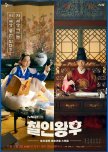
Mr. Queen is a wild ride through Joseon-era Korea, where a modern chef's soul swaps into the body of Queen. Shin Hye-sun nails the dual role—switching seamlessly from sassy, foul-mouthed Jang Bong-hwan to the poised royal she inhabits. Kim Jung-hyun as King Cheoljong brings brooding intensity with perfect comic timing, making their enemies-to-lovers chemistry electric. But what truly elevates this drama is the acting from every character, even the side ones. Seol In-ah's scheming Jo Hwa-jin oozes menace, and the ensemble—like the bickering eunuchs and conniving in-laws—steals scenes with impeccable delivery. No weak links here; it's a masterclass in ensemble comedy and drama.The storyline hooked me from episode one. The fish-out-of-water premise blends slapstick humor, political intrigue, and romance effortlessly. Early episodes shine with clever gags (Bong-hwan cooking fusion disasters in the palace kitchen is gold) and sharp commentary on gender roles. Twists keep you guessing, and the world-building feels lived-in, from lavish sets to authentic costumes.
Then the ending torpedoes it all. Sending the guy back to the present world? It makes zero sense! The king fell deeply for both versions of her—the fiery soul and the woman herself. How does the director justify spinning the story like that, undoing everything with a cheap, illogical twist? It left me furious and heartbroken, dropping my rating from a perfect 10 to an 8/10. What a waste of buildup!
Stream it anyway—the highs are worth it. Just prepare for rage-quit potential.
Was this review helpful to you?
A Surprisingly Fun Ride Despite the Hype-Busters
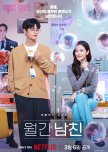
I went into Boyfriend on Demand with zero expectations—honestly, the negative reviews had me braced for a flop. But what can I say? I'm weak for handsome men (Seo In Guk, Chef's kiss), and this light, breezy K-drama hooked me right away. It's the perfect guilty-pleasure watch: fluffy rom-com vibes with just enough heart to keep you smiling through the episodes.It's packed with those classic K-drama tropes—awkward meet-cutes, over-the-top misunderstandings, and swoon-worthy chemistry—but it shines in quieter moments. What elevated it for me were the honest discussions on relationship struggles, like how people change (or don't) over time, the fear of losing yourself in love, and navigating modern dating chaos. These bits felt surprisingly real amid the silliness, sparking some "aha" moments without getting preachy.
Acting-wise, the leads nail the charm offensive, and the supporting cast delivers comic gold. Visually, it's all glossy Seoul aesthetics and cute outfits—pure escapism.
Was this review helpful to you?
Peak savage comedy we miss so much
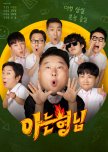
Knowing Bros was my ultimate K-variety obsession—a riotous classroom of chaos where seven hilarious hosts roasted guests with zero mercy. From its early days, the show exploded with unfiltered banter, iconic games like the "Guess About Me" segment, and that savage energy that left everyone in stitches. It felt like eavesdropping on the wildest group chat ever, packed with celebrity cameos, viral moments, and non-stop laughs.My ultimate biases- Super Junior's Heechul, the king of witty burns and flawless charisma, and the legendary Lee Soo-geun, whose deadpan timing and brutal roasts could dismantle anyone.
But lately, It's lost its edge. The savage takedowns are gone, replaced by polite chit-chat and overly civil vibes—feels like they've sanded down the rough edges to appeal to a broader crowd. Guests get kid-gloved treatment, and the spark just isn't there. Bring back old-school Knowing Bros! We need that unhinged hilarity.
Was this review helpful to you?
A Refreshingly Nuanced Slow-Burn Gem
I'm not usually a fan of Chinese dramas—they often feel painfully slow-paced and drag on, leaving me bored halfway through. But Fake It Till You Make It flipped that script entirely. The deliberate slow pace here isn't a flaw; it's the drama's biggest charm. It simmers with tension and depth, drawing you in without a single dull moment. The story weaves a clever tale of ambition, pretense, and real growth in a cutthroat world, elevated by sharp directing that makes every frame count and standout acting that feels raw and lived-in.While the mature romance at the center—built on mutual understanding and quiet intensity—is solid and heartfelt, it's not what hooked me most. For me, the true standout is the female characters, especially the female lead. At first, I was irritated by her reluctance to stand up for herself in the face of blatant unfairness; it felt frustratingly passive. But then it hit me—that's real life. Sometimes you have to bite your tongue, stay silent, and channel that energy elsewhere. She fights back in her own fierce way: by outworking everyone, proving her worth through sheer grit, and never letting bitterness win.
What elevates her even more is how the drama humanizes every woman around her. Those side characters who seem like gold-digging fakes or "not girls' girls" at first glance? They're all suffering in their own messy ways, shaped by circumstances we only understand through their perspectives. Our female lead doesn't clap back with drama; she kills them with kindness, drawing out their best selves or revealing the goodness that was always there beneath the surface. It's a refreshing take on female solidarity—no catfights, just complexity and quiet empowerment.
Was this review helpful to you?

This review may contain spoilers
Excellent storytelling
I went into Reply 1997 not really knowing much about the 1990s Korean nostalgia it’s famous for — and honestly, it didn’t matter at all. I still enjoyed it so much. It was so funny, so warm, and so easy to love. You could really feel how meaningful that time was for the characters. I can only imagine how nostalgic and emotional this must be for Korean viewers who actually lived through it.The music choice was absolutely epic. Every song fit perfectly and added so much emotion and energy to the scenes. The soundtrack alone made so many moments unforgettable.
The acting was amazing across the board. Seo In-guk and Jung Eun-ji had such natural chemistry. Their bickering, slow-burn tension, and emotional scenes all felt real and heartfelt. The entire cast brought so much charm and authenticity to their roles.
The storyline was also brilliantly structured. I loved the back-and-forth timeline and the mystery of who the female lead ends up with. It kept things exciting without feeling forced. The story took so many themes like personal loss, family relationship, friendship, love, none felt forced in the storyline, every arc had a reason, this is all because of the excellent writers.
There’s really only one thing I didn’t like or didn’t fully understand: the relationship between the female lead and the male lead’s brother. I feel like we weren’t given enough screen time to truly see their relationship develop. Because of that, when she said yes to his proposal, it felt a little sudden to me. I just wish the drama had shown more of their emotional build-up so that moment would have felt more convincing.
Was this review helpful to you?
Park Chan-wook — a name I will never forget
Every time I watch one of his films, I’m reminded why he stands in a league of his own. No Other Choice is no exception. It feels fresh and unpredictable, yet it unmistakably carries that classic “Chan-wook touch” — stylish, sharp, morally complex, and darkly funny.What struck me first was how unique the film felt. It doesn’t move in a conventional way, and just when you think you understand its direction, it shifts — sometimes subtly, sometimes brutally. That unpredictability is part of what makes it so compelling. Park has always had a gift for blending tones, and here he balances genuine humor with some very heavy themes in a way that never feels forced. The humor often comes wrapped in discomfort — you laugh, then immediately question why you’re laughing.
At its core, the film dives deep into the idea of the “man of the family.” What does that role actually mean? Provider? Protector? Decision-maker? The movie challenges the traditional image of the ideal family and exposes the pressure cooker beneath it. The expectation to be perfect, stable, successful — especially in a capitalist system — becomes suffocating. There’s also an undercurrent of commentary that feels tied to capitalism and possibly even AI, as if the characters are trapped in a system that reduces human worth to productivity and replaceability.
One of the most disturbing ideas in the film is how evil can disguise itself as good intentions. The belief that you’re doing something “better” for your family can slowly justify darker and darker choices. That moral spiral — where love, pride, fear, and ego intertwine — is handled in a way that feels both intimate and unsettling. Park doesn’t present villains in a simple way; instead, he shows how ordinary people can become destructive when cornered by expectations and systems.
Was this review helpful to you?

They don't make dramas like this anymore?
From the very first episode, it sets a gripping tone—blending fantasy, legal thriller, romance, and suspense in a way that feels seamless rather than overwhelming. The premise of characters who can see fragments of the future in their dreams could have easily turned messy or repetitive. Instead, the writer carefully constructs a storyline that is eloquent, layered, and incredibly satisfying.What truly makes this drama exceptional is its writing. Every single character is well-written—no one feels like a filler or a mere plot device. From the determined journalist Nam Hong-joo to the principled prosecutor Jung Jae-chan and the quietly heroic police officer Han Woo-tak, each character is given emotional depth and meaningful growth. Even supporting characters are treated with care, with backgrounds that are articulate and thoughtfully revealed. You understand why they make the choices they do, which makes the stakes feel real.
The writer clearly invested enough time to make the plot engaging while answering all the questions it raises. There are no frustrating loose ends, no abandoned arcs. Every twist feels earned. The pacing balances tension and warmth beautifully—legal cases unfold with suspense while the relationships develop naturally and sincerely.
It’s rare to watch a series and genuinely feel that there is nothing you would change—but this is one of those rare cases indeed.
It’s not just a good drama—it’s the kind that reminds you why you fell in love with K-dramas in the first place.
Was this review helpful to you?
Good but cliche
Kiss Sixth Sense was honestly a pretty good watch. What I loved most about this drama was the mature relationship dynamic between the leads. Their relationship felt more grown-up and natural compared to the usual K-drama romances, and I really enjoyed watching how their feelings developed.And the chemistry between the leads? So good. Their interactions, tension, and overall dynamic were definitely one of the strongest parts of the drama for me. They had that comfortable yet romantic vibe that made their scenes really enjoyable to watch.
That being said, the one thing I wasn’t a huge fan of was the story progression. At times, the plot felt like it was taking a little too long to get where it needed to go. The whole childhood connection storyline also felt very cliché and predictable to me. It’s one of those K-drama tropes that has been done so many times that it didn’t have the same impact it probably intended to.
Still, despite those issues, I genuinely enjoyed the drama. The mature romance, the lead chemistry, and the overall vibe made it worth watching for me.
Was this review helpful to you?
A Fun, Fast Watch
Thi is exactly the kind of show you go into expecting light entertainment and come out having genuinely enjoyed. Twelve episodes, tight pacing, chaos-but-make-it-cozy vibes with the found-family angle between Hae-gang and the residents.It's genuinely funny, doesn't overstay its welcome, and never pretends to be more than what it is — a breezy crime-comedy with heart. The "fake family becomes real family" arc lands because the show earns it slowly instead of rushing the sentimentality.
Ji Sung and Ha Yoon-kyung's characters have an evident age gap, and it does show on screen — but since the show wisely keeps the romantic thread as a minor subplot rather than the main event, it never becomes distracting. A smart choice given the material.
Park Byung-eun as the villain, is the standout of the entire series. He plays it with an off-beat, almost unhinged comic energy that makes every scene he's in more entertaining than it has any right to be — to the point where some viewers online have said he overshadows Ji Sung's lead performance. It's the kind of villain turn that makes you actively look forward to his screen time, which is rare.
Was this review helpful to you?


