
 Editorials

A good spin off
Earth Arcade's Vroom Vroom is a delightful spin-off from the popular South Korean variety show Earth Arcade.The cast handles everything from driving (hilariously, as beginners like An Yu-jin take the wheel), planning, cooking, budgeting, and filming their own antics during a three-night, four-day getaway to Gapyeong. It's less chaotic than the main Earth Arcade but shines through genuine camaraderie and impromptu fun.
Young-ji time stood out the most!!
Was this review helpful to you?
A fresh bite on a familiar genre
Odd Family: Zombie on Sale is a quirky Korean zom-com that flips the undead genre on its head, centering on a dysfunctional rural family who stumble upon a zombie from a chemical lab mishap. Instead of panic, they see dollar signs: the family patriarch gets bitten, gains youthful vigor, and they turn it into a bizarre fountain-of-youth scam for the village elderly. Directed by Lee Min-jae, it blends slapstick chaos, dark humor, and oddball heart without typical gore overloads.It is exactly the kind of movie its title promises — weird, warm, and wonderfully funny. It won't scare you, but it will make you laugh and, unexpectedly, tug at your heartstrings. It is simply a well-executed zombie horror-comedy with a great cast, great characters, and okay story.
Was this review helpful to you?
This review may contain spoilers
Perfect blend of Rom-com and mystery (Magic of old kdramas)
Oh My Ghost follows Na Bong-Sun, a shy culinary assistant, whose body gets possessed by Soon-Ae — a virginal ghost desperate to resolve her unfinished earthly desires before crossing over. Her target: Kang Sun-Woo, a fierce celebrity chef who works alongside Bong-Sun.At first it seems like Chef Kang only notices Bong-Sun once the ghost possesses her, which feels like a bait-and-switch. But as the arc develops, it becomes clear that Soon-Ae was a catalyst, not a replacement. The chef was falling toward the real Bong-Sun all along; the ghost just pulled him close enough to see her.
The show handles its thornier dynamics better than expected. Chef Kang's discomfort with Soon-Ae's advances is shown clearly and treated as the correct response — there is no moment where his resistance crumbles simply because she is persistent enough. The possession scenes are uncomfortable to watch, and intentionally so. That discomfort is the point: it establishes Soon-Ae as reckless and desperate, not charming. The show does not ask you to root for the pursuit.
Park Bo-Young carries the show on her shoulders, playing two distinct personalities within one body with remarkable precision. Her physical comedy as Soon-Ae is delightful, and her restraint as Bong-Sun is genuinely moving. I loved the chefs' as well there comedy was something I looked forward to. The police officer's acting was something that stole the whole show though.
The series was a bit drag, and became skipable at some points, but still this drama has its charm to bring you back and wait till the finale and it's ultimate reveal.
Was this review helpful to you?
A Slapstick Blast
Seoul Busters dives headfirst into pure, unfiltered slapstick comedy—a rare gem in today's polished K-drama landscape. This ensemble cast of quirky detectives tackling absurd crimes with over-the-top antics, pratfalls, and escalating chaos that had me laughing out loud. It's hella funny, especially if you're craving that old-school vibe of mindless hilarity, like Waikiki. I missed this genre badly; it feels like a breath of fresh, ridiculous air.That said, not gonna lie—it gets boring at times. The non-stop nonsense slapstick can feel repetitive if you're not fully tuned into that wavelength (and honestly, I'm not always). Some episodes drag with predictable setups and filler bits that test your patience. But clocking in at a breezy runtime, it's still a quick and funny watch overall—perfect for bingeing when you need zero brainpower.
Was this review helpful to you?
A Heart-Wrenching Exploration of Grief and Healing
In Your Radiant Season is a poignant Korean drama that masterfully captures the raw edges of grief, making it a standout in the emotional thriller genre. At its core, the story revolves around loss and the lingering shadows it casts on everyday life, with the central narrative hinging on a young woman's journey through mourning her parents and boyfriend's death. What elevates this series is how it portrays grief not as a dramatic spectacle, but as an inescapable, multifaceted force that permeates every relationship and decision.The acting is another highlight, with every performer delivering pitch-perfect nuance. Their performances add layers to the ensemble, making the world feel lived-in and the grief collective rather than isolated.
That said, the pacing isn't flawless. At times, especially in the mid-season, it drags . Yet, these moments serve the theme of grief's tedious persistence, and they don't derail the momentum entirely.
Was this review helpful to you?
A Fun Side Trip into Joseon Shenanigans
Released as a web drama special, The Bamboo Forest shifts focus from the main leads to the quirky ensemble cast, delivering three standalone episodes packed with humor, romance, and zero heavy drama. It's like peeking behind the palace curtains for bite-sized adventures.I have to admit I didn't know this existed, couldn't find the episodes with english subtitles but still has fun watching it.
Was this review helpful to you?
This review may contain spoilers
A Weaker Comeback That Still Delivers Thrills
Season 3 of Alice in Borderland returns with new deadly games, the mysterious Joker card, and higher stakes—but it doesn't quite recapture the magic of the first two seasons.The visual style, game setups, and action sequences remain top-notch and genuinely thrilling. Arisu remains the likable character he is.
But, Usagi's motive to leave Arisu was so out of context that it makes it frustrating, yes we know that for her her father's disappearance/suicide? was always something she never fully recovered from. But I blame the direction, as it fails to encapsulate, being manipulated by a total stranger.
The ending feels flat as the answers feel still not answered, especially the joker arc. If they wanted to end in this vague sense it would have been better to end with season 2 which was a great ending.
It would have been better if they included one more episode diving deeper into the Watchman, the true nature of Borderland's existence, and the world of the dead—mysteries that were teased but never fully explored.
Was this review helpful to you?
Mnet did it again!
Street Woman Fighter 2 is an electrifying showcase of raw talent, fierce competition, and boundary-pushing choreography that elevates street dance to new heights. This season delivers on every front, spotlighting incredibly skilled dancers and their limitless potential. Every mission feels meticulously crafted, keeping the energy high and the stakes real.My favorite moments- The No Respect Battle and Mega Crew mission stole the show. No Respect brought out pure grit and creativity under pressure, while Mega Crew turned crews into superteams, revealing unexpected synergies and jaw-dropping group dynamics. Production values are top-notch too: slick editing, dynamic camera work, and a pulsating soundtrack that amps up the intensity without overshadowing the dancers.
That said, it's not flawless. My biggest gripe is the judging panel, especially including an idol like Shonwu. Don't get me wrong—he's an amazing dancer and performer in his own right—but he's simply not on the same level as these elite street dancers. This echoes a key criticism from SWF 1, where they wisely shifted to more dancer judges in Season 2... only to keep one idol in the mix. Why? It baffles me—what's the reasoning behind prioritizing celebrity appeal over pure expertise? And speaking of unfair twists, eliminating Tsubakill first felt like a massive injustice; their unique style and potential deserved way more runway.
Was this review helpful to you?
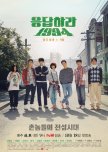
Least favourite in Reply series
Reply 1994, like other reply series (Reply 1988 and Reply 1997), it nails the nostalgic vibe with impeccable period details, heartfelt ensemble moments, and those guessing games about who ends up with whom. The OST is catchy, the humor lands in bursts, and it captures that era's innocence perfectly.That said, unlike the other Reply series—which I adore—this one is the one I enjoyed the least, even on a second watch. Every character gets solid screen time to explore their backstories, from the love triangles to family dramas, but I just couldn't connect emotionally. Was it the writing? The delivery? I'm not sure, but their joys and heartbreaks felt distant, like watching from behind glass.
The storyline compounds this with its chaotic pace: tons of subplots crammed into episodes that barely progress the main threads, making it feel bloated and a tad boring. It could've wrapped up neatly in 16 episodes instead of dragging to 21. I skipped through half of it on rewatch—fast-forwarding —and still can't recall many standout scenes. Plenty of fans rave about the friendships and romance reveals, and I get why, but sadly, I'm not one of them. Solid for nostalgia buffs, but it left me meh.
Was this review helpful to you?
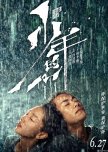
Raw and Real
Better Days (2019) is a visceral masterpiece that transcends the typical teen drama. Directed by Derek Tsang, it’s a raw, unflinching portrait of survival and sacrifice that you don't just watch—you feel.What makes the film extraordinary is its commitment to authenticity. The emotions are raw and ugly, making them painfully real. The bullying is shown with unflinching honesty, highlighting not just cruelty, but the systems that allow it to fester. It forces you to sit with discomfort, which makes the story heartbreakingly genuine.
The performances are breathtaking. Zhou Dongyu embodies vulnerability with quiet devastation—you see the weight of the world in her eyes. Jackson Yee is a revelation, disappearing into his role. Behind his rough exterior, he reveals profound tenderness with just a glance. Their chemistry isn't romanticized; it's built on shared silence and unspoken understanding.
Derek Tsang's direction makes you feel the exhaustion in their skin. The muted colors and dirty streets mirror the characters' suffocating weight, while intimate camera work makes the experience feel personal and private.
Was this review helpful to you?
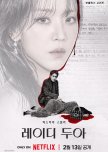
The obsession of being a socialite
Art of Sarah is a sharp, unsettling drama about the obsession with status — particularly the desperate desire to be seen as a “socialite.” At its core, the series dissects elitism, narcissism, and the illusion of exclusivity that surrounds chaebols and high society.The female lead is one of the most compelling grey characters in recent K-dramas. You fall in love with her when she boldly confronts fake elites and narcissistic chaebols, exposing their hypocrisy and performative sophistication. In those moments, she feels almost revolutionary — someone tearing down a corrupt system from within.
But then the discomfort sets in.
Because she doesn’t just challenge the system — she mirrors it. The same way these so-called socialites look down on others, she too begins treating those “below” her with similar coldness. That contradiction is what makes her fascinating. She’s not a hero or a villain — she’s an embodiment of how power and validation can corrupt, even when your original intentions seem justified.
The detective in the series provides a strong contrast. He’s logical, grounded, and quietly charming — someone who approaches the chaos with reason rather than ego. Yet one of the most striking lines comes from Sarah herself: the people who get conned are often the ones who believe they could never be conned. That statement perfectly captures the drama’s core message — arrogance and the hunger for status are what make people vulnerable.
Overall, the direction, storyline, and character arcs are stunning. The drama doesn’t just tell a story about fraud or ambition; it explores identity, insecurity, and the psychological cost of chasing elite validation. Art of Sarah leaves you conflicted — admiring its protagonist one moment and questioning her the next — and that moral tension is exactly what makes it so powerful.
Was this review helpful to you?

A textbook case of wasted potential
Idol I started with so much promise. The early episodes did an excellent job building its characters, giving us enough backstory to genuinely connect with their struggles. You understood who these people were and why they mattered, which made the first half of the drama genuinely compelling .Then came the climax. The main murder motive was incredibly anti-climactic. After all that buildup, the reasoning behind the crime—and committing another to cover it up—felt so stale and underwhelming . It's the kind of reveal that makes you feel hollow rather than shocked.
What makes it worse is how underdeveloped the murder's reasoning felt. We needed more time with the antagonist to understand their descent. Instead, the reveal feels like a last-minute decision from a long brainstorming session . The writers rushed to close doors they spent episodes carefully opening .
The frustrating part? This drama had so much potential. It realistically portrayed the pressures idols face, the blurry line between support and obsession, and how the industry treats artists as products . But by sidelining the murder mystery that drove the plot, it wasted its own foundation.
Was this review helpful to you?

Didn't age well for me
Watching Strong Woman Do Bong Soon again in 2026 is a mixed bag. While it’s easy to see why it was a hit in 2016, the flaws are much harder to ignore on a rewatch.At first, Do Bong Soon herself is a little irritating. The show establishes early on that she's desperate for a job, yet her initial treatment of her future CEO, is shockingly unprofessional, even for a rom-com, feels excessive.
The biggest issue is Bong Soon’s mother. She was never funny or caring—she’s genuinely toxic. Her physical abuse toward her husband, her obsessive jealousy, and especially her scheme to force her daughter to sleep with a stranger are all horrifying. Hiding this behavior behind comedy doesn’t excuse it; it just makes the family dynamic unsettling.
The show also drags. At 16 episodes, the pacing is slow, and the unnecessary subplots aren't funny enough to justify the runtime. It could have easily ended in 12.
The logic behind Bong Soon losing her powers also doesn't make sense—she was saving her friend, hence hurting an innocent man.
That said, not everything is bad. Bong Soon’s father and Min Min are the ultimate green flags—supportive, loving, and genuinely good people. And Kim Won Hae was the absolute scene-stealer!!
In the end, Strong Woman Do Bong Soon is best left in 2016. It was fun then, but revisiting it now reveals too many problems to make it enjoyable again.
Was this review helpful to you?
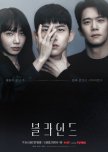
This review may contain spoilers
An underrated drama!!
Tbh I didn't even know this drama existed, thank you to Instagram algorithm which decide to show me clips of this drama. Why are people not talking about it! It is such a well written drama- kept me confused till this the end about sung hoon.This was an emotional and moral rollercoaster, I stand with in any circumstances murder is wrong, but the people involved were so frustrating!!!! But yes killing their family who were not at all involved in the incident was very wrong.
And if anyone is wondering there was a real incident involving children being abused and exploited in the same way. I remember seeing a documentary about the same.
Was this review helpful to you?
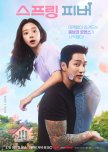
Cuteeeee??
Jae guy is a cinnamon roll, I repeat JAE GYU IS A CINNAMON ROLL! He alone is the only reason I decided and continued to watch this series.I read the webtoon (not completed yet) hence the series' story felt very flat to me, the webtoon showed more depth to the characters which made the story more engaging.
The acting by every character was really good though.
Overall, a cute and simple watch after all the heavy, thriller and crime stuff 😗
Was this review helpful to you?


