

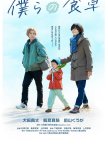
Shared meals, quiet healing, & proof that food might actually be a love language.
How do you review Our Dining Table when your main memories are homemade lunches, warm kitchens, and Yutaka getting emotionally adopted by an entire family?
This series really looked at the slice-of-life genre and said, "What if we replaced drama with cooking, added emotional healing, and let food do most of the talking?"
Yutaka could eat alone just fine.
At least that's what he kept telling himself.
Then one lunch break, one rice ball, and one overly friendly little brother later, his life changed completely.
Honestly?
Cinema.
Hozumi Yutaka was carrying loneliness so quietly that even he had gotten used to it.
Then the Ueda brothers appeared and collectively decided that solitude was no longer an option.
Minoru offered him companionship.
Tane offered him unconditional love and approximately eighty percent of the show's emotional damage.
The child weaponized cuteness and none of us stood a chance.
Inukai Atsuhiro brought so much gentleness and vulnerability to Yutaka that watching him slowly relearn what family and belonging could feel like was incredibly moving.
And Iijima Hiroki as Minoru?
The king of quiet affection.
The emperor of acts of service.
The CEO of saying "I care about you" entirely through food and worried glances.
Watching Minoru and Yutaka grow closer through shared meals and ordinary moments gave us one of the softest romances in recent Japanese BL.
Because this wasn't a story about grand gestures.
It was a story about asking:
"Have you eaten yet?"
And somehow meaning:
"I care about you."
The meals became conversations.
The kitchen became a safe space.
The dining table became home.
And honestly?
That's the kind of romance that stays with you.
Then there was Tane.
The tiny sunshine child.
The world's greatest wingman.
The unofficial captain of this ship.
Half of the relationship progression happened because Tane looked at these two emotionally repressed adults and decided he would simply do it himself.
Legendary behavior.
And can we talk about the people behind the camera?
The directors understood exactly what this story needed: quiet.
The series never rushed.
It let moments linger.
It trusted silence.
It trusted glances.
It trusted viewers to understand that sometimes the most important things happen between words.
The cinematography deserves special praise.
The sunlight through windows.
The steam rising from food.
The small apartment kitchens.
The family dinners.
Every frame felt warm enough to live inside.
And the soundtrack?
The audio equivalent of coming home after a long day.
Our Dining Table wasn't trying to shock you.
It wasn't trying to emotionally destroy you.
It wasn't giving you mafia shootouts, corporate conspiracies, or time loops.
This was comfort.
Premium-grade comfort.
This was lonely office worker × single dad energy without the actual dad × emotional support child.
This was a story about family.
The family you're born into.
The family you lose.
And the family that quietly finds you when you're not looking for it.
10/10.
Would absolutely learn to cook with them, get emotionally attached to every meal, and let Tane adopt me into the family all over again.
This series really looked at the slice-of-life genre and said, "What if we replaced drama with cooking, added emotional healing, and let food do most of the talking?"
Yutaka could eat alone just fine.
At least that's what he kept telling himself.
Then one lunch break, one rice ball, and one overly friendly little brother later, his life changed completely.
Honestly?
Cinema.
Hozumi Yutaka was carrying loneliness so quietly that even he had gotten used to it.
Then the Ueda brothers appeared and collectively decided that solitude was no longer an option.
Minoru offered him companionship.
Tane offered him unconditional love and approximately eighty percent of the show's emotional damage.
The child weaponized cuteness and none of us stood a chance.
Inukai Atsuhiro brought so much gentleness and vulnerability to Yutaka that watching him slowly relearn what family and belonging could feel like was incredibly moving.
And Iijima Hiroki as Minoru?
The king of quiet affection.
The emperor of acts of service.
The CEO of saying "I care about you" entirely through food and worried glances.
Watching Minoru and Yutaka grow closer through shared meals and ordinary moments gave us one of the softest romances in recent Japanese BL.
Because this wasn't a story about grand gestures.
It was a story about asking:
"Have you eaten yet?"
And somehow meaning:
"I care about you."
The meals became conversations.
The kitchen became a safe space.
The dining table became home.
And honestly?
That's the kind of romance that stays with you.
Then there was Tane.
The tiny sunshine child.
The world's greatest wingman.
The unofficial captain of this ship.
Half of the relationship progression happened because Tane looked at these two emotionally repressed adults and decided he would simply do it himself.
Legendary behavior.
And can we talk about the people behind the camera?
The directors understood exactly what this story needed: quiet.
The series never rushed.
It let moments linger.
It trusted silence.
It trusted glances.
It trusted viewers to understand that sometimes the most important things happen between words.
The cinematography deserves special praise.
The sunlight through windows.
The steam rising from food.
The small apartment kitchens.
The family dinners.
Every frame felt warm enough to live inside.
And the soundtrack?
The audio equivalent of coming home after a long day.
Our Dining Table wasn't trying to shock you.
It wasn't trying to emotionally destroy you.
It wasn't giving you mafia shootouts, corporate conspiracies, or time loops.
This was comfort.
Premium-grade comfort.
This was lonely office worker × single dad energy without the actual dad × emotional support child.
This was a story about family.
The family you're born into.
The family you lose.
And the family that quietly finds you when you're not looking for it.
10/10.
Would absolutely learn to cook with them, get emotionally attached to every meal, and let Tane adopt me into the family all over again.
Was this review helpful to you?


