

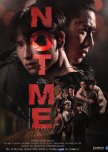
DAYUM
How do you even review Not Me The Series when it fundamentally altered your brain chemistry and then handed you a Molotov cocktail?This show really looked at the BL genre and said, "What if we added political corruption, class inequality, police brutality, social activism, identity crises, found family, motorcycles, and enough emotional damage to last a lifetime?"
Gun Atthaphan walked in, played twins, and casually reminded everyone why he's one of the best actors in Thailand. Black and White were two completely different people, and somehow my brain forgot they were played by the same person every single episode.
And Sean? Angry, stubborn, emotionally constipated Sean? Watching him slowly fall for White while simultaneously trying to overthrow the system was an experience I was not prepared for.
SeanWhite wasn't just romance. It was trust, healing, understanding, and two people learning that they didn't have to carry the weight of the world alone.
Then Dan and Yok showed up and collectively decided that happiness was overrated and emotional devastation was the superior option. First and Gawin delivered a storyline so beautiful and heartbreaking that I still haven't financially recovered.
Gram, Eugene, Namo, Tod, Black, and the entire gang felt real in a way that very few shows manage to achieve. They argued, they failed, they made mistakes, they fought for what they believed in, and somehow they made us want to fight alongside them.
And can we talk about Director Anucha Boonyawatana for a second? Because she didn't just direct a BL series — she created art.
The graffiti.
The symbolism.
The colors.
The camera angles.
The mirrors.
The lighting.
The use of space.
The way every frame looked like it had something important to say.
This wasn't just storytelling. This was filmmaking.
The writers somehow balanced political commentary, social criticism, action, suspense, friendship, and romance without losing the heart of the story for even a second.
The production team absolutely refused to play it safe, and thank God they didn't.
And the soundtrack? Criminally underrated. Every song arrived precisely when it needed to either make you feel invincible or emotionally destroy you.
One minute you're screaming over SeanWhite.
The next you're crying over DanYok.
Five minutes later you're googling activism movements and questioning capitalism.
Not Me wasn't a BL.
It was a protest.
A love letter to activism.
A middle finger to injustice.
A cinematic masterpiece disguised as a television series.
10/10.
Would absolutely hop on the back of Sean's motorcycle, spray paint a wall, overthrow systemic inequality, and get emotionally attached to this chaotic found family all over again.
Was this review helpful to you?

This review may contain spoilers
A LOVE-STORY, ROM-COM DONE RIGHT!
Yes, the story does show a rivalry between parents passed down to their children. However, this just seems so basic, right? But oh, you are in for a ride.In this series, there's no unnecessary drama. No stupid fights. No mis-understandings. Hella great communication between the main leads. No sacrificing their relationship for the sake of others. No breakups for the sake of others.
Their relationship shown is just based on Pure Love. Pat and Pran's story is really portrayed in the most realistic way possible. And not to feed the fetishes of the "audiences". Their intimate moments and kisses seemed so natural and for their own moment.
One of the many things that I liked in this series is there is literally no homophobia in the whole show. Also, no "I don't like men, but I like you" cliché. No "wife-husband" thing. No non-consensual kisses or anything. No jealous ex-gf trope or no making the girls in the series evil. Nothing of this sort.
Once the leads get together, they made sure that they stay together, fight together, overcome every hurdle TOGETHER. A healthy relationship is finally shown.
On to the main leads. Ohm and Nanon's chemistry is so damn good. So natural. Like literally no awkward moments. There was not one single time that I felt cringe or anything. And oh my god. Their acting skills! Hella fricking good. It's the only way to describe it. Even in the moments where there were no dialogues, I FELT THEIR EMOTIONS. And to think that this is Nanon's 1st ever BL. They both really gave us outstanding performances.
Also, the director. P'Aof. Hat's off. This man just keeps getting better and better. In 2021 alone he gave 2 back to back amazing series. First being ATOTS and now BBS. At this point GMMTV should just let P'Aof direct their BL shows.
Not to exaggerate but, Bad Buddy Series should not just be the standard of BL's but also the standard of a Healthy Relationship. This series really hits home because, it is just a simple love story between 2 people, but yet, so damn special.
Cast 100% ; Storyline 100% ; Direction 100% ; Production 100% ; Acting 100% ; OST 100% ; Rewatch 100% (I already rewatched it once. More to come, lol)
Watch it. You won't regret it.
Was this review helpful to you?

This review may contain spoilers
Why is everyone disappointed?!
Prior to watching the series, I ofc came here for the reviews. Tbh, all I saw was disappointment. But, I still went ahead and watched it because I saw some clips and liked them.I really don't understanding why is everyone hating on this. I mean, for me, I am quite happy with the series. Firstly, we got to know about Fiat's past and as to why he is the way he is. We also got to know about Fiat and Leo's past. Secondly, I loved Leo's family. I am all here for supportive parent's.
Yes, there were some toxic stuff too, but, after having seen countless of BL's, this series is much better tbh. Could've been worse, but in my opinion, it is watchable. If you can survive cringe BL's, this is nothing in front of them. I said what I said.
Now, the acting. I really liked the acting for most of the cast. The main leads, the second couple, the friends, all the acting was really good. The main couple, for me, really depicted the emotions very well and didn't seemed too forced tbh.
Also, I loved Leon's acting. I am so in love with his smile and the way his eyes sparkle! (You can solely just watch this for Leon, he is too adorable).
And yes, the second couple's ending. It did ended realistically. Yes, they were cute together. But, let's be honest, it ended that way so they could have a series of their own. It will happen. It always does. I don't get why people crying over their ending. Their story is really cute. They together are cute. But, the ending shown is good too. I mean, you don't always prioritize your s/o over your dreams. So, I really don't have any issues with the way the second couple ended.
**This all is subjective. As I mentioned in my very 1st sentence, because of the reviews, I was not going to watch this. But, I really do think that some people are exaggerating. Because, with the amount of Thai BL's that I have seen, this is watchable. **
Was this review helpful to you?
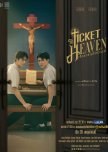
Religion, grief, identity, first love, & an emotional sniper hiding behind beautiful cinematography.
Somewhere along the way, Ticket to Heaven stopped being a BL for me.It became one of the best dramas I've ever watched.
Not one of the best BLs.
Not one of the best queer stories.
One of the best dramas.
Period.
Because what this series understood so beautifully is that some stories are bigger than romance.
This was a story about faith.
About grief.
About identity.
About guilt.
About family.
About the terrifying loneliness of feeling like the person you are and the person the world expects you to be cannot exist in the same room.
And somehow, it managed to tell that story with so much compassion that it never felt interested in choosing sides.
It simply asked questions.
Difficult questions.
Painful questions.
Questions that don't have easy answers.
And then it trusted us enough to sit with them.
The performances never felt like performances.
They felt lived in.
The silences spoke louder than the dialogue.
The quiet moments somehow carried more weight than the dramatic ones.
Every look felt important.
Every conversation felt necessary.
Every scene felt like it had something to say.
And then there was P'Aof.
At this point, I genuinely believe that man wakes up every morning and chooses emotional devastation as an art form.
Because once again he proved that some of the most powerful stories aren't built on spectacle.
They're built on people.
On emotions.
On the spaces between words.
The direction never tells you what to feel.
It simply opens the door and invites you in.
The cinematography was beautiful without ever feeling showy.
The music knew exactly when to step forward and exactly when to disappear.
The writing respected its characters enough to let them be complicated, messy, and human.
That's rare.
And that's why this story lingers.
Years from now, I probably won't remember every scene.
But I'll remember how it made me feel.
I'll remember the ache.
The hope.
The fear.
The quiet moments that somehow felt enormous.
There are good BLs.
There are great BLs.
And then there are stories that outgrow the genre conversation entirely.
For me, Ticket to Heaven belongs in that last category.
10/10.
Not because it was perfect.
But because it felt honest.
And sometimes honesty leaves a bigger mark than perfection ever could.
And yes.
I am still very much in love with P'Aof for giving us stories like this.
Was this review helpful to you?

An entire campus apparently deciding that everyone should be in love immediately.
How do you review We Are when your main memories are architecture students, group dinners, and an alarming number of people accidentally finding soulmates at the exact same university?This series really looked at university BLs and said, "What if we gave you four couples, one giant friend group, and enough wholesome chaos to sustain an entire fandom?"
First came Phum and Peem.
Or as I like to call them:
Human flirting machine × man pretending he wasn't enjoying any of it.
Pond and Phuwin once again proved that chemistry is apparently one of Thailand's renewable resources.
Phum flirted like it was his full-time job.
Peem resisted like it was his full-time job.
Neither of them were particularly successful.
Then came Tan and Fang.
The definition of "we've been in love with each other for so long that everyone else already knows."
Aou and Boom delivered quiet affection, mature communication, and enough domestic energy to make viewers start planning weddings.
Then there were Chain and Pun.
The soft one and the softer one.
The kind of couple that makes you smile every time they appear on screen without fully understanding why.
And of course, Q and Toey.
Because apparently this friend group was operating under a strict "nobody gets left behind and everybody gets a boyfriend" policy.
Honestly?
Respect.
By the end of the series, it genuinely felt less like watching multiple romances and more like spending time with one enormous found family.
The dinners.
The trips.
The teasing.
The group chats that probably violated several noise regulations.
The friendships mattered just as much as the romances.
And that's exactly why the series worked.
Because We Are understood something important:
Love stories don't happen in isolation.
They happen around friends.
Around shared meals.
Around people who become part of your life simply because they refuse to leave.
And can we talk about the people behind the camera?
Director New Siwaj Sawatmaneekul understood exactly what this story needed: comfort.
The series never rushed.
It never forced drama where it didn't belong.
Instead, it trusted the characters and their relationships enough to let viewers simply enjoy spending time with them.
The production team created a university world that felt vibrant, warm, and lived in.
The classrooms.
The studios.
The cafés.
The late-night hangouts.
Everything felt like somewhere you wanted to be.
The cinematography kept things bright and cozy, while the soundtrack somehow managed to make every confession and every lingering glance hit twice as hard.
We Are wasn't trying to reinvent university BLs.
It didn't need to.
This wasn't mafia politics.
This wasn't emotional devastation.
This wasn't overthrowing corrupt systems.
This was comfort television.
Premium-grade comfort television.
This was four couples, one giant friend group, and enough love to make the entire campus feel like home.
10/10.
Would absolutely join the friend group, attend every dinner, and become emotionally attached to every single one of these idiots all over again.
Was this review helpful to you?
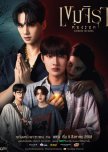
PHARAN, my buoy
How do you review Khemjira when your main memories are protective talismans, village rituals, terrifying ghosts, and Khem and Pharan staring at each other like fate personally signed their relationship contract?This series really looked at the supernatural romance genre and said, "What if we added generational curses, Thai spirituality, shamanism, reincarnation, emotional devastation, and enough tension to wake the dead?"
Khem was born into a family where every son is destined to die before reaching adulthood.
His mother gave him the name Khemjira — "forever safe" — in the hope that fate could somehow be tricked.
Fate, unfortunately, had other plans.
Then came Pharan.
The young shaman who knew far more than he was willing to say.
The man who looked at Khem like he was simultaneously his greatest responsibility and his greatest weakness.
The man who apparently missed the memo about not falling in love with people you're trying to save.
Namping brought so much warmth, fear, and vulnerability to Khem that it was impossible not to root for him.
And Keng as Pharan?
The king of emotional repression.
The emperor of silent suffering.
The CEO of carrying the weight of destiny on his shoulders while pretending everything is fine.
Watching their relationship develop against the backdrop of curses, spirits, and ancient promises gave us one of the most unique romances in Thai BL this year.
Then there were Jet, Chan, and the rest of the gang, bringing moments of warmth and humor to a story that otherwise seemed determined to keep us emotionally unstable.
And can we talk about the people behind the camera?
Directors Panuwat Inthawat, Kittipat Champa, and Patarapon To-oun didn't simply make a horror BL.
They created an atmosphere.
The rituals felt authentic.
The supernatural elements felt unsettling.
The rural setting felt alive.
And the blend of horror, romance, and Thai spiritual traditions made the series stand out in a genre that rarely explores these themes so deeply.
The cinematography deserves special praise.
The candlelight.
The temples.
The forests.
The shadows lurking just outside the frame.
Every episode felt like a ghost story being told around a fire late at night.
And the soundtrack?
An accessory to emotional crimes.
Absolutely guilty.
Khemjira wasn't simply a love story.
It was a story about destiny.
About family.
About the things we inherit from those who came before us.
And about the people who choose to stand beside us even when fate itself says they shouldn't.
This wasn't sunshine × grumpy.
This wasn't enemies-to-lovers.
This was cursed boy × shaman who would challenge destiny itself to keep him alive.
10/10.
Would absolutely light the incense, wear the protective amulet, and watch these two fight fate and ghosts all over again.
Was this review helpful to you?
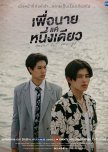
If your bodyguard isn't looking at you like you're both his mission and his entire future.
How do you review Never Let Me Go when your main memories are rich boy problems, bodyguard tension, and staring at Palm and Nuengdiao wondering if breathing is optional?This series really looked at the bodyguard trope and said, "What if we added assassinations, family betrayal, inheritance battles, emotional repression, and enough longing to power Thailand?"
Nuengdiao grew up surrounded by wealth but isolated by it.
Palm grew up with very little but somehow understood people better than anyone else around him.
One had everything except freedom.
The other had freedom but very little else.
And somehow they became exactly what the other needed.
Phuwin gave Nuengdiao so much vulnerability beneath the confidence and sharp edges. Watching him slowly allow himself to trust someone after a lifetime of loneliness was genuinely beautiful.
And Pond as Palm?
The man looked at Nuengdiao like he was simultaneously his greatest responsibility and his favorite person in the world.
The bodyguard assignment never stood a chance.
Palm and Nueng weren't just falling in love.
They were becoming each other's safe place in a world determined to take that away from them.
The beach scenes, the motorcycle rides, the quiet conversations, the moments where they could simply exist as teenagers instead of heirs and protectors became some of the most memorable parts of the series.
Then there were Chopper and Ben, who quietly gave us another story about expectations, family pressure, and trying to figure out who you want to become.
The supporting cast helped create a world that felt dangerous, complicated, and very real.
And can we please talk about the people behind the camera?
Director Noppharnach Chaiyahwimhon once again proved that yearning is apparently one of his favorite filmmaking tools.
Every look lasted exactly one second longer than necessary.
Every moment of silence somehow said more than dialogue ever could.
Every frame looked cinematic enough to belong in a movie.
The cinematography deserves special praise.
The contrast between the cold luxury of Bangkok and the warmth of the seaside scenes beautifully mirrored Palm and Nueng's emotional journey.
The soundtrack?
A co-conspirator in emotional destruction.
Every song somehow knew exactly when your heart was becoming stable enough to hurt again.
Never Let Me Go wasn't simply a bodyguard romance.
It was a story about loneliness.
About responsibility.
About choosing who you want to become when everyone else has already decided for you.
This wasn't rich boy × bodyguard.
This was "I would burn the world down for you" disguised as a coming-of-age story.
10/10.
Would absolutely watch Palm risk everything and Nuengdiao learn how to trust and love all over again.
Was this review helpful to you?

FLUFF
How do you review My School President when your main memories are smiling at your screen, replaying songs on Spotify, and wondering how one show managed to be this wholesome?This series really looked at the high school romance genre and said, "What if we removed unnecessary drama, added music, friendship, and enough green flags to heal the entire fandom?"
Tinn was the student council president.
Gun was the leader of a music club one bad decision away from being shut down.
Naturally, Tinn's solution was to fall hopelessly in love and then dedicate his entire existence to keeping that club alive.
Academic excellence and simping really can coexist.
Gemini as Tinn gave us one of the most lovable romantics in recent BL history. The man spent an entire season looking at Gun like he had personally invented happiness.
And Fourth as Gun?
The human embodiment of sunshine, determination, and chaotic musician energy.
Watching Tinn and Gun slowly move from admiration to friendship to love was one of the softest and most satisfying romances GMMTV has ever produced.
And the best part?
Communication existed.
Misunderstandings lasted approximately five minutes before people actually talked to each other.
Revolutionary concept.
The Chinzhilla boys absolutely stole our hearts too.
Tiw, Por, Sound, Win, and Yo turned the music club into one of the best friend groups in Thai BL history.
Their friendship felt real, supportive, messy, and genuine in all the best ways.
Then came Sound and Win, who quietly arrived and stole an alarming amount of attention with approximately three interactions and one song.
And can we talk about the people behind the scenes?
Director Au Kornprom Niyomsil understood exactly what this story needed: sincerity.
The series never tried to manufacture drama that didn't belong there.
Instead, it trusted its characters, its relationships, and its heart.
The production team created a world that felt warm, comforting, and full of life.
And the music?
Absolutely unfair.
Every performance felt like a love letter to youth, friendship, and chasing dreams.
The soundtrack didn't just support the story.
It became part of it.
Songs became confessions.
Performances became conversations.
Music became another language for emotions the characters couldn't quite say out loud yet.
My School President wasn't trying to reinvent BL.
It was reminding us why we love it in the first place.
This wasn't trauma.
This wasn't mafia politics.
This wasn't emotional warfare.
This was joy.
Pure, premium-grade joy.
10/10.
Would absolutely join Chinzhilla, attend every performance, and watch Tinn look at Gun like he hung the moon all over again.
Was this review helpful to you?

ATOTS
How do you review A Tale of Thousand Stars when your main memories are crying, staring at mountains, and screaming "JUST KISS ALREADY" at your screen?This show really said, "What if we took a rich city boy, gave him an existential crisis, dropped him in the mountains, introduced him to the hottest forest ranger alive, and let emotional devastation do the rest?"
Tian arrived in Pha Pun Dao with absolutely no survival skills and somehow left with an entire village adopting him as their emotional support teacher.
And Phupha?
Captain Phupha.
The king of yearning.
The emperor of staring lovingly from a distance.
The CEO of saying absolutely nothing while somehow saying everything.
Earth and Mix didn't have chemistry. They had atmospheric pressure changes every time they looked at each other.
Their love story wasn't built on grand confessions or dramatic gestures.
It was built on:
sharing meals,
teasing each other,
teaching children,
fixing things together,
and making eye contact so intense it should probably have required supervision.
The villagers stole my heart, the children owned my soul, and Longtae deserved hazard pay for dealing with everyone else's nonsense.
And can we talk about Director Aof for a second? Because that man didn't direct a series.
He orchestrated emotional warfare.
The cinematography turned northern Thailand into the most beautiful place on earth. Every mountain, every sunrise, every lantern, every field looked like it belonged in a painting.
The soundtrack? Illegal.
Every song arrived precisely when it needed to emotionally destroy you.
A Tale of Thousand Stars wasn't a BL.
It was therapy.
It was a spiritual experience.
It was a travel advertisement.
It was emotional support television.
10/10.
Would absolutely move to Pha Pun Dao, teach at the village school, and watch these two idiots fall in love all over again.
Was this review helpful to you?
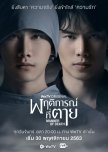
Y'ALL BEEN SLEEPING ON THIS
I've watched Max and Tul in Together with Me and already am a fan of this couple. Their chemistry is no joke. So, saying that I was pretty excited for this drama, would be understatement.Manner of Death is such a unique take on a BL drama. This is not your typical BL, but, it's so much more and sooo good.
Right from the start, it keeps you engaged, which is very rare. The Storyline, the production, the acting, just everything, is excellent, in my opinion.
I might sound over the top with excitement in this review, but, it's only because this is such a unique story. I keep mentioning that this is not your regular BL story and yes, it's because, I am in my mid 20's (out of the uni, working) and while I do enjoy the college romance dramas, with stereotypical storylines; I was excited when I heard of this BL drama.
Something that is non-college related and in between mature (grown-up) people. This caught my eye. This drama really gave all the mature vibes with a realistic and super addicting storyline.
Manner of Death is a masterpiece in my opinion and tbh, it has been on my top 5 ever since I've watched it.
Was this review helpful to you?
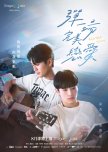
2 people finding their way back to life through melodies they thought they had lost forever.
How do you review First Note of Love when your main memories are recording studios, unfinished songs, and Neil and Sea looking at each other like they were hearing music nobody else could?This series really looked at the music romance genre and said, "What if we added grief, creative burnout, healing, and enough emotional damage to keep playlists employed for years?"
Neil used to live for music.
Then life happened.
Loss happened.
Silence happened.
And suddenly the thing that once made him feel alive became the very thing he couldn't bear to face.
Then came Sea.
A fan.
A dreamer.
A walking reminder of everything Neil thought he had lost.
And somehow, also the person who helped him find it again.
Charles Tu brought so much quiet sadness and vulnerability to Neil that watching him slowly reconnect with music — and with himself — felt incredibly moving.
And Michael Chang as Sea?
The king of optimism.
The emperor of emotional support.
The CEO of believing in someone long before they can believe in themselves.
Watching Sea patiently stand beside Neil while he learned how to create, grieve, and love again gave us one of the gentlest romances in recent Taiwanese BL.
Because this wasn't about saving someone.
It was about accompanying them.
There's a difference.
And First Note of Love understood it perfectly.
The supporting characters and music industry setting added so much texture to the world.
The rehearsals.
The recording sessions.
The pressure of expectations.
The fear of never being able to create something meaningful again.
Every part of it felt honest.
And can we talk about the people behind the camera?
Director Lien Chien Hung understood exactly what this story needed: space.
The emotional moments weren't rushed.
The silences were allowed to exist.
The music was allowed to speak when words couldn't.
The production team understood that songs in this story weren't simply background music.
They were memories.
Conversations.
Confessions.
Goodbyes.
The cinematography deserves special praise.
The stage lights.
The empty studios.
The city nights.
The moments where characters sat quietly with their thoughts while music carried the emotions they couldn't yet express.
And the soundtrack?
Honestly, calling it a soundtrack feels disrespectful.
It was another character.
Every song carried emotional weight.
Every lyric mattered.
Every melody told part of the story.
First Note of Love wasn't simply a romance.
It was a story about finding your voice after losing it.
About learning that grief and joy can exist together.
About understanding that moving forward doesn't mean leaving the past behind.
This wasn't celebrity × fan.
This wasn't sunshine × grumpy.
This was broken musician × person who reminded him that music was never truly gone.
10/10.
Would absolutely sit in that recording studio, cry over songs that don't exist outside this universe, and watch these two find their way back to music and to each other all over again.
Was this review helpful to you?
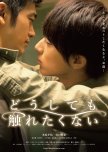
No Touching At All is a slow sunrise. And sometimes that's even more beautiful.
How do you review No Touching At All when your main memories are awkward silences, lingering glances, and two grown men acting like feelings were a government conspiracy?This film really looked at office romances and said, "What if we removed all unnecessary noise and replaced it with yearning?"
Shima had already learned how to survive disappointment.
Keep your distance.
Keep things casual.
Don't expect too much from people.
Simple.
Then Togawa walked into his life and immediately made all of that significantly more difficult.
Because unfortunately for Shima, Togawa possessed three dangerous qualities:
Patience.
Kindness.
And the ability to see straight through him.
Naturally, disaster followed.
Yonashiro Sho brought so much quiet vulnerability to Shima that sometimes it felt like watching someone trying to hold themselves together with sheer determination.
And Watanabe Shu as Togawa?
The king of gentle persistence.
The emperor of emotional intelligence.
The CEO of asking, "Are you okay?" and actually waiting for the answer.
Their relationship wasn't built on dramatic confessions or grand romantic gestures.
It was built on small moments.
Shared drinks after work.
Conversations in elevators.
Walking home together.
The kind of moments that don't look important until one day you realize they've become your entire world.
And honestly?
That's exactly what made this story feel so real.
Because love doesn't always arrive loudly.
Sometimes it arrives quietly.
Sometimes it sits beside you after a long day at work.
Sometimes it asks if you've eaten.
Sometimes it waits patiently for you to believe that you're worth staying for.
And can we talk about the people behind the camera?
Director Chihiro Amano understood exactly what this story needed: restraint.
The film trusted silence.
It trusted body language.
It trusted the audience enough to understand what wasn't being said.
The pacing was quiet, deliberate, and deeply intimate.
The office spaces felt ordinary.
The city felt ordinary.
The lives being lived inside them felt ordinary.
And somehow that made everything feel extraordinary.
The cinematography deserves special praise.
The fluorescent office lights.
The rainy streets.
The late-night trains.
Every frame felt grounded in reality.
And the soundtrack?
Minimal.
Subtle.
Perfect.
No Touching At All wasn't trying to reinvent romance.
It wasn't trying to shock you.
It wasn't trying to emotionally destroy you.
It was simply telling the story of two adults learning that vulnerability might be terrifying, but loneliness isn't any easier.
This wasn't enemies-to-lovers.
This wasn't friends-to-lovers.
This was emotionally unavailable office worker × emotionally intelligent man with the patience of a saint.
10/10.
Would absolutely stand awkwardly in that elevator, share convenience store drinks after work, and watch these two slowly learn how to let someone in all over again.
Was this review helpful to you?

Cuties
Sky in Your Heart feels like the deep breath you take after surviving the chaos of city life.After the energy and messiness of Star in My Mind, this series arrived with mountains, sunsets, village life, and enough healing energy to fix at least three of my unresolved issues.
Khuafah and Prince were the definition of "I can't stand you" slowly turning into "I would literally move mountains for you."
Mek Jirakit brought so much warmth and vulnerability to Fah. Beneath the teasing and confidence was someone trying to figure out who he wanted to become away from expectations and privilege.
And Mark as Prince? The man had patience levels that deserve scientific study. Watching his walls slowly come down and seeing him allow himself to be cared for was genuinely beautiful.
Their relationship wasn't built on grand gestures or dramatic plot twists. It was built through shared moments, quiet conversations, helping a community, and learning to understand each other. Somehow that made every little moment feel even bigger.
The village itself became a character in the story. The children, the volunteers, the community — they made the world feel warm, lived in, and real.
Mesa and JJ deserve honorary awards for surviving Fah's nonsense.
And can we appreciate the people behind the camera for a moment?
Director Siwaj Sawatmaneekul understood exactly what this story needed: space to breathe. The slower pacing, lingering shots of the mountains, and quiet moments between characters allowed the emotions to settle naturally instead of rushing toward the next plot point.
The teams at GMMTV and Studio Wabi Sabi gave the series a cozy, almost healing atmosphere that perfectly matched its story. The cinematography turned northern Thailand into a love letter to nature, while the soundtrack quietly wrapped itself around every emotional moment.
This wasn't a series trying to be loud.
It didn't need to be.
Its strength was always in the quiet moments:
the shared smiles,
the teasing,
the sunsets,
the conversations under the stars,
and the realization that sometimes love doesn't arrive like a storm.
Sometimes it arrives gently.
Sky in Your Heart wasn't trying to break your heart.
It was trying to heal it.
8.5/10.
Would absolutely move to the mountains, help out at the village, become emotionally attached to everyone, and watch Fah and Prince fall in love all over again.
Was this review helpful to you?

One man discovering that his biggest competition was actually himself.
How do you review Fish Upon the Sky when your main memories are awkward makeovers, relentless teasing, and Pi looking like stress had personally selected him as its brand ambassador?This series really looked at the university romance genre and said, "What if we added insecurity, comedy, sibling interference, and enough secondhand embarrassment to physically leave your body?"
Pi had a crush.
A very serious crush.
The kind of crush that convinces you a complete personality overhaul is a reasonable life decision.
Unfortunately for him, Mork existed.
Confident.
Charming.
Annoyingly attractive.
And apparently operating on a full-time schedule of making Pi's life significantly more complicated.
Naturally, chaos followed.
Phuwin brought so much vulnerability, awkwardness, and relatable insecurity to Pi that it was impossible not to root for him.
Because beneath all the panic and overthinking was someone simply trying to believe that he was enough.
And honestly?
Haven't we all been there?
And Pond as Mork?
The king of teasing.
The emperor of patience.
The CEO of looking at someone like they've already won a competition they didn't even know they were in.
Watching Mork slowly prove to Pi that he was never interested in the version of Pi trying to impress the world and had always liked the version hiding underneath it all gave us one of the sweetest messages in Thai BL.
Then there was Duean.
The human embodiment of chaos.
The younger brother who somehow managed to create problems and solve them at the exact same time.
His relationship with Meen delivered some of the funniest moments in the entire series and honestly deserved its own support group.
The friend groups, the university setting, and the endless misunderstandings gave the series an energy that felt lively, messy, and incredibly fun.
And can we talk about the people behind the camera?
Director New Siwaj Sawatmaneekul understood exactly what this story needed: fun.
The series never took itself too seriously.
The comedy landed, the emotional moments hit when they needed to, and the story never forgot that sometimes romance is supposed to make you laugh as much as it makes you cry.
The production team embraced bright colors, energetic pacing, and exaggerated comedy while still allowing the characters space to grow.
The cinematography reflected the youthful, chaotic energy of university life perfectly.
And the soundtrack?
Pure serotonin.
Every song somehow made an already ridiculous situation feel even more adorable.
Fish Upon the Sky wasn't trying to reinvent the genre.
It wasn't trying to emotionally devastate you.
It wasn't trying to overthrow governments or run mafia empires.
This was chaos.
Premium-grade chaos.
This was insecure dental student × man who apparently decided flirting should qualify as an Olympic event.
10/10.
Would absolutely survive dental school, become emotionally attached to the friend group, and watch Mork flirt aggressively while Pi malfunctioned all over again.
Was this review helpful to you?
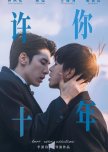
This feels like a love story written for tired people.
How do you review Love After Addiction when your main memories are sleepless nights, rescue missions, and You Xi looking at Yang Meng like he had personally invented REM sleep?This series really looked at the romance genre and said, "What if we added insomnia, career collapse, emotional dependency, unresolved history, and enough yearning to keep an entire city awake?"
You Xi had fame.
Success.
Recognition.
And absolutely none of the peace that was supposed to come with any of it.
Scandals happened.
Burnout happened.
Sleep stopped happening altogether.
Then came Yang Meng.
Former classmate.
Rescue captain.
Human sleeping pill.
Apparently.
Because somehow, against all known medical science, You Xi discovers that the only place he can sleep peacefully is next to him.
Honestly?
Cinema.
Lin Feng Song brought so much exhaustion, vulnerability, and quiet desperation to You Xi that watching him slowly unravel and rebuild himself felt painfully real.
And Chen Wen as Yang Meng?
The king of patience.
The emperor of emotional stability.
The CEO of accidentally becoming someone's safe place.
Watching Yang Meng slowly realize that You Xi needed far more than sleep while You Xi slowly learned the difference between dependence and love gave us one of the most emotionally mature relationships of the year.
Because this wasn't simply a romance.
It was a story about trust.
About loneliness.
About what happens when someone becomes the first place you've ever felt safe enough to rest.
And honestly?
That might be more intimate than love itself.
The supporting cast understood the assignment too.
The friends.
The colleagues.
The people trying to hold these two together while they stubbornly pretended they were handling everything perfectly fine.
Spoiler:
They were not.
And can we talk about the people behind the camera?
Writer and director Nattachai Jiraanont understood exactly what this story needed: quiet.
The emotional moments weren't rushed.
The silences mattered.
The sleepless nights mattered.
The spaces between conversations often said more than the dialogue itself.
The cinematography deserves special praise.
The city lights at 3 AM.
The empty apartments.
The exhaustion written across faces illuminated by street lamps.
The contrast between sleeplessness and peace.
Every frame felt intimate.
Almost intrusive.
Like we were witnessing moments nobody else was supposed to see.
And the soundtrack?
Absolutely guilty of aiding and abetting emotional devastation.
Every song arrived precisely when viewers had almost convinced themselves they were emotionally stable again.
Almost.
Love After Addiction wasn't simply a BL.
It wasn't simply a second-chance romance.
It was a story about finding rest in another person after forgetting what rest even felt like.
This wasn't celebrity × rescue captain.
This wasn't ex-classmates-to-lovers.
This was insomniac actor × man who accidentally became home.
8/10.
Would absolutely lose sleep, make terrible emotional decisions, and watch these two idiots discover that sometimes the thing you're addicted to isn't sleep.
It's finally feeling safe enough to close your eyes.
Was this review helpful to you?


