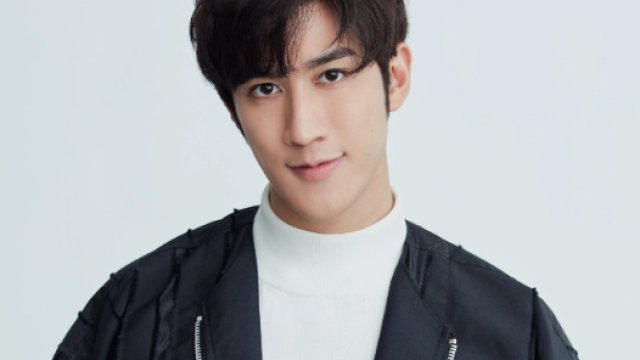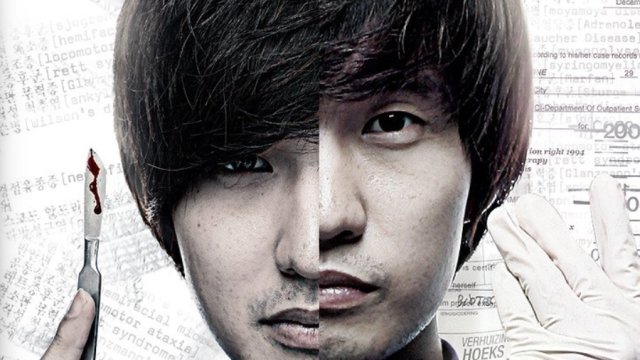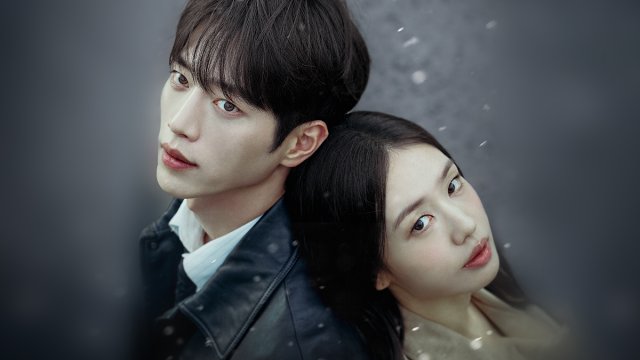
When I think about *Stand By Me (2023)*, I see it as a reflection of the very struggles I was trying to express. It shows how easy it is to find countless excuses to give up, but how powerful just one reason can be to keep moving forward (size of library ep. 30). The choices the characters make—like QiQi and Guan He deciding not to pursue university—aren’t cowardice, they’re conscious decisions shaped by their search for meaning. That’s why I feel that giving up is not weakness, but a choice we make when we don’t yet see a reason strong enough to continue.
QiQi especially feels close to me. She is happy in one moment, then confused in the next, unsure of what that happiness really means. That duality mirrors my own thoughts about life: fleeting joy mixed with uncertainty about the future. The drama captures this perfectly, showing how young people make plans only to realize those plans may never unfold the way they imagined. It’s the same fear I described—that the future might not resemble the one we dream of.
What resonates most is the constant questioning. “Why study? Why work hard? Why live?” These questions aren’t laziness, they’re attempts to resist simply drifting with the current. The characters, like me, want to understand life from a deeper perspective, even if that makes them feel lonely in a crowded place. By asking “why,” they separate themselves from others who just go along without thinking.
So for me, *Stand By Me* isn’t just a coming-of-age drama—it’s a mirror of the inner conflict of youth. It shows the courage of those who dare to question, even when the answers aren’t clear, and the loneliness that comes with resisting the flow. That’s exactly the feeling I was trying to capture: the tension between fleeting happiness, uncertain futures, and the stubborn search for meaning.
Then is the real father to the son? As He (ML) arrived in the story 10 years earlier then he should also be the biological father in the sense. Then who is crown prince’s mother?
QiQi especially feels close to me. She is happy in one moment, then confused in the next, unsure of what that happiness really means. That duality mirrors my own thoughts about life: fleeting joy mixed with uncertainty about the future. The drama captures this perfectly, showing how young people make plans only to realize those plans may never unfold the way they imagined. It’s the same fear I described—that the future might not resemble the one we dream of.
What resonates most is the constant questioning. “Why study? Why work hard? Why live?” These questions aren’t laziness, they’re attempts to resist simply drifting with the current. The characters, like me, want to understand life from a deeper perspective, even if that makes them feel lonely in a crowded place. By asking “why,” they separate themselves from others who just go along without thinking.
So for me, *Stand By Me* isn’t just a coming-of-age drama—it’s a mirror of the inner conflict of youth. It shows the courage of those who dare to question, even when the answers aren’t clear, and the loneliness that comes with resisting the flow. That’s exactly the feeling I was trying to capture: the tension between fleeting happiness, uncertain futures, and the stubborn search for meaning.