




This review may contain spoilers
Beautiful - so glad I stuck with it.
This is a story about connection that doesn’t end, even when everything else does.
Love Beyond the Grave builds a world where loss is inevitable, but not final. What carries through the entire drama is the idea that relationships don’t disappear. They transform, shift, and continue in different forms. By the time the story reaches its final moments, that theme is fully realized.
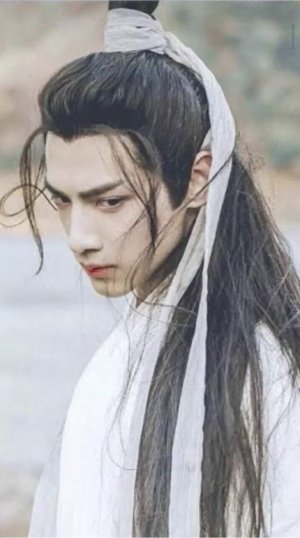
At the center of that is Duan Xu (Foxy). This is the strongest performance I’ve seen from Arthur Chen, not just in isolated scenes but across the entire series. Episode 8 stands out early on as a turning point, showing exactly what the character and actor can do when everything aligns. He truly impressed me in this drama.
The early part of the drama is engaging and clearly structured. The world-building is easy to follow, and the story moves with intention. There is a middle stretch where the tone becomes less consistent, particularly as Simu’s sensory experiences take focus. It didn’t break the story, but it did interrupt the flow enough that I almost stopped watching. That said, the later episodes regain clarity and deliver on the foundation that was set early on.
Duan Xu (Foxy) is the emotional anchor of the story. His arc feels complete because he fully understands the cost of his choices and still chooses them. His ending is not framed around regret, but around acceptance and fulfillment.
Simu takes longer to fully align with the story’s tone. There are moments earlier on where her emotional portrayal feels uneven, but by the end, her character reflects the core themes of the drama. Her journey is not about resolution in a traditional sense, but about continuing forward while carrying what she has lost.
Yan Ke was my favorite character despite being the antagonist. His final line about dying by the hand of the person he loved captures his entire philosophy. He is intense, absolute, and emotionally uncompromising.
Chen Ying provides one of the clearest examples of the show’s internal logic. His progression from the boy in episode 1 to later greatness reinforces the idea that nothing truly disappears; it changes form.
Feng Yi (the Prophet) operates more as a structural presence than an emotional one. He represents the continuity of fate rather than personal attachment, which becomes important in how the ending is framed.
A lot of viewers interpret the ending as sad. I don’t.
If “happy” is defined as the leads ending up physically together, then this doesn’t meet that definition. But that standard doesn’t fit what the story is doing.
The ending is about continuation, not loss.
Duan Xu’s arc is complete. He does not leave anything unresolved. The life he experiences with Simu, including what exists within memory and illusion, is treated by the story as real and sufficient.
Simu’s final state is not emotional resolution. It is continuation. She moves forward while carrying the weight of what she has lost. The final image of her walking through the mortal world with the void jellyfish beside her reflects that clearly. She is alone, but she is not without connection.
That distinction defines the ending.
The story consistently reinforces that relationships do not end. They change form. Chen Ying’s transformation, Duan Xu’s conclusion, and the presence of the void spirit jellyfish all support that idea.
When the Prophet suggests Simu and Foxy may meet again and the Immortal responds that fate is what it is, the story leaves that possibility open without forcing a conclusion. And the presence of the jellyfish staying with Simu as she walks through the mortal realm makes it feel like a real possibility.
That reads as hopeful.
Alternate Ending
The alternate ending offers a more conventional resolution, where Simu gets to live as a mortal with Duan Xu. It provides a clearer version of a “happy ending,” but it simplifies the core idea the story has been building.
The original ending maintains the tension between loss and continuation. The alternate ending removes it.
This is not a flawless drama. Some episodes for me lose some tonal consistency, and Simu’s characterization takes time to fully settle into place. But the foundation is strong, the central performance from Arthur Chen carries emotional weight, and the ending remains true to the story’s internal logic.
If you need a clearly defined, traditional happy ending, this may not land.
If you’re open to a story where connection continues beyond loss, this one is worth watching.
Love Beyond the Grave builds a world where loss is inevitable, but not final. What carries through the entire drama is the idea that relationships don’t disappear. They transform, shift, and continue in different forms. By the time the story reaches its final moments, that theme is fully realized.
At the center of that is Duan Xu (Foxy). This is the strongest performance I’ve seen from Arthur Chen, not just in isolated scenes but across the entire series. Episode 8 stands out early on as a turning point, showing exactly what the character and actor can do when everything aligns. He truly impressed me in this drama.
The early part of the drama is engaging and clearly structured. The world-building is easy to follow, and the story moves with intention. There is a middle stretch where the tone becomes less consistent, particularly as Simu’s sensory experiences take focus. It didn’t break the story, but it did interrupt the flow enough that I almost stopped watching. That said, the later episodes regain clarity and deliver on the foundation that was set early on.
Duan Xu (Foxy) is the emotional anchor of the story. His arc feels complete because he fully understands the cost of his choices and still chooses them. His ending is not framed around regret, but around acceptance and fulfillment.
Simu takes longer to fully align with the story’s tone. There are moments earlier on where her emotional portrayal feels uneven, but by the end, her character reflects the core themes of the drama. Her journey is not about resolution in a traditional sense, but about continuing forward while carrying what she has lost.
Yan Ke was my favorite character despite being the antagonist. His final line about dying by the hand of the person he loved captures his entire philosophy. He is intense, absolute, and emotionally uncompromising.
Chen Ying provides one of the clearest examples of the show’s internal logic. His progression from the boy in episode 1 to later greatness reinforces the idea that nothing truly disappears; it changes form.
Feng Yi (the Prophet) operates more as a structural presence than an emotional one. He represents the continuity of fate rather than personal attachment, which becomes important in how the ending is framed.
A lot of viewers interpret the ending as sad. I don’t.
If “happy” is defined as the leads ending up physically together, then this doesn’t meet that definition. But that standard doesn’t fit what the story is doing.
The ending is about continuation, not loss.
Duan Xu’s arc is complete. He does not leave anything unresolved. The life he experiences with Simu, including what exists within memory and illusion, is treated by the story as real and sufficient.
Simu’s final state is not emotional resolution. It is continuation. She moves forward while carrying the weight of what she has lost. The final image of her walking through the mortal world with the void jellyfish beside her reflects that clearly. She is alone, but she is not without connection.
That distinction defines the ending.
The story consistently reinforces that relationships do not end. They change form. Chen Ying’s transformation, Duan Xu’s conclusion, and the presence of the void spirit jellyfish all support that idea.
When the Prophet suggests Simu and Foxy may meet again and the Immortal responds that fate is what it is, the story leaves that possibility open without forcing a conclusion. And the presence of the jellyfish staying with Simu as she walks through the mortal realm makes it feel like a real possibility.
That reads as hopeful.
Alternate Ending
The alternate ending offers a more conventional resolution, where Simu gets to live as a mortal with Duan Xu. It provides a clearer version of a “happy ending,” but it simplifies the core idea the story has been building.
The original ending maintains the tension between loss and continuation. The alternate ending removes it.
This is not a flawless drama. Some episodes for me lose some tonal consistency, and Simu’s characterization takes time to fully settle into place. But the foundation is strong, the central performance from Arthur Chen carries emotional weight, and the ending remains true to the story’s internal logic.
If you need a clearly defined, traditional happy ending, this may not land.
If you’re open to a story where connection continues beyond loss, this one is worth watching.
Was this review helpful to you?


