
 Editorials
 1
1


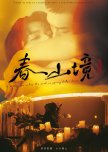
A Winter Sun Wakes the Wind in Spring Hills' Dream
5 people found this review helpful
by DramaDreams100
Stunning, Immersive, and Emotionally Rich
FINAL UPDATE — 16/16
The final three episodes confirmed everything I already felt about this drama.
Out of nearly 145 dramas I have completed, this is now one of only three I would place at the very top.
The finale stayed true to everything that made the series extraordinary: beautiful visual storytelling, emotional restraint, layered themes, meaningful callbacks, and characters whose choices felt earned.
The five-year wait between Qinglang and Changyang was painful, but it made their reunion — simply, “I’m back” — incredibly powerful. Their quiet wedding in the mountains was the perfect final image.
The “Moths to a Flame” sequence was also a stunning culmination of the drama’s themes around fame, public opinion, fandom, and destruction.
Beautiful. Immersive. Deeply emotional. Stunning.
One of the best dramas I have ever watched.
Original review:
I keep seeing people call A Winter Sun Wakes the Wind in Spring Hills’ Dream one of the best BL dramas they have ever watched, or one of the best Chinese BLs. For me, that is way too limiting.
This is simply one of the best dramas I have watched. Ever.
I have completed more than 140 dramas across multiple genres and countries, and only a tiny handful have ever reached what I personally consider my absolute top tier. Unless something goes terribly wrong in the final three episodes, Winter Sun is headed there.
The best word I can find for this drama is stunning. Another is immersive.
There is something almost melodic about the way it tells its story. The overall tone is gentle and atmospheric, sometimes almost peaceful, even while enormous and life-changing events are happening. It never feels as though the drama is shouting at the audience, THIS IS THE IMPORTANT PART. CRY NOW. It trusts silence, scenery, music, framing, expressions, and the audience’s ability to understand what is happening beneath the dialogue.
The cinematography is extraordinary, but not merely because the mountains, tea fields, forests, lakes, and snow-covered landscapes are beautiful. The camera itself participates in the storytelling.
A reflection in tea.
A face appearing in a small makeup mirror while another reflection blurs.
Fog swallowing someone from view.
A character framed alone in a place that was once filled with another person.
Again and again, the visual composition adds meaning rather than simply making the drama pretty.
And then there is the writing.
There are multiple couples and several major storylines, yet none of them feels like filler. The secondary relationships are not decorative romances inserted between scenes of the main couple. They have their own histories, conflicts, emotional trajectories, and consequences. An episode can spend relatively little time with Qinglang and Changyang and still be completely engrossing because the other characters are carrying equally meaningful stories.
Small conversations from much earlier episodes return later with entirely new emotional significance. Objects and ideas become motifs. A philosophical conversation about time that initially seems almost casual can later become devastating. A flower mentioned repeatedly becomes part of a character’s final story. The drama remembers what it has told us.
The acting has also impressed me tremendously. There are quiet performances here that could easily be overlooked because nobody is screaming or dramatically collapsing every five minutes. Characters communicate through hesitation, eye movement, posture, silence, restraint, and physical distance. When the emotional explosions finally come, they feel earned because the emotion has been accumulating underneath the surface for so long.
And yes, the chemistry between the couples — especially Qinglang and Changyang — is exceptional.
This drama contains a surprisingly high level of physical intimacy, including some very intense kissing scenes and additional “Small Theater” scenes. But that is not why I love it. In fact, if the same level of intimacy existed without this story underneath it, I would probably lose interest.
The physical intimacy works because it belongs to the relationships being portrayed. It grows naturally from the characters, their emotional closeness, their longing, their reconciliation, their fear of losing one another. It never feels as though the plot has stopped so the production can insert a scene designed only to create a viral clip.
That distinction matters.
I have loved other BL dramas with far fewer intimate scenes because fewer scenes were appropriate for those particular stories. Here, the physicality fits. It enhances relationships that were already compelling without it.
What I perhaps admire most about Winter Sun is its atmosphere. This is one of the rare dramas I actively choose not to binge.
Not because I am bored.
Not because I have to convince myself to continue.
Quite the opposite.
I desperately want the next episode, but I often watch only one and then wait a day or two because each episode requires so much emotional engagement. There is too much to absorb — the plot, performances, scenery, visual motifs, music, relationships, and the things characters do not say aloud.
I need time to come back out of its world before I enter it again.
That is an extraordinarily rare experience for me.
I originally began watching this as a BL. Somewhere along the way, the genre label stopped being remotely sufficient to describe what I was watching.
A Winter Sun Wakes the Wind in Spring Hills’ Dream is romantic, painful, intimate, beautifully acted, visually breathtaking, layered, emotionally intelligent, and profoundly atmospheric.
Three episodes remain.
If it lands the ending, this will not be one of my favorite BL dramas.
It will be one of my favorite dramas ever.
The final three episodes confirmed everything I already felt about this drama.
Out of nearly 145 dramas I have completed, this is now one of only three I would place at the very top.
The finale stayed true to everything that made the series extraordinary: beautiful visual storytelling, emotional restraint, layered themes, meaningful callbacks, and characters whose choices felt earned.
The five-year wait between Qinglang and Changyang was painful, but it made their reunion — simply, “I’m back” — incredibly powerful. Their quiet wedding in the mountains was the perfect final image.
The “Moths to a Flame” sequence was also a stunning culmination of the drama’s themes around fame, public opinion, fandom, and destruction.
Beautiful. Immersive. Deeply emotional. Stunning.
One of the best dramas I have ever watched.
Original review:
I keep seeing people call A Winter Sun Wakes the Wind in Spring Hills’ Dream one of the best BL dramas they have ever watched, or one of the best Chinese BLs. For me, that is way too limiting.
This is simply one of the best dramas I have watched. Ever.
I have completed more than 140 dramas across multiple genres and countries, and only a tiny handful have ever reached what I personally consider my absolute top tier. Unless something goes terribly wrong in the final three episodes, Winter Sun is headed there.
The best word I can find for this drama is stunning. Another is immersive.
There is something almost melodic about the way it tells its story. The overall tone is gentle and atmospheric, sometimes almost peaceful, even while enormous and life-changing events are happening. It never feels as though the drama is shouting at the audience, THIS IS THE IMPORTANT PART. CRY NOW. It trusts silence, scenery, music, framing, expressions, and the audience’s ability to understand what is happening beneath the dialogue.
The cinematography is extraordinary, but not merely because the mountains, tea fields, forests, lakes, and snow-covered landscapes are beautiful. The camera itself participates in the storytelling.
A reflection in tea.
A face appearing in a small makeup mirror while another reflection blurs.
Fog swallowing someone from view.
A character framed alone in a place that was once filled with another person.
Again and again, the visual composition adds meaning rather than simply making the drama pretty.
And then there is the writing.
There are multiple couples and several major storylines, yet none of them feels like filler. The secondary relationships are not decorative romances inserted between scenes of the main couple. They have their own histories, conflicts, emotional trajectories, and consequences. An episode can spend relatively little time with Qinglang and Changyang and still be completely engrossing because the other characters are carrying equally meaningful stories.
Small conversations from much earlier episodes return later with entirely new emotional significance. Objects and ideas become motifs. A philosophical conversation about time that initially seems almost casual can later become devastating. A flower mentioned repeatedly becomes part of a character’s final story. The drama remembers what it has told us.
The acting has also impressed me tremendously. There are quiet performances here that could easily be overlooked because nobody is screaming or dramatically collapsing every five minutes. Characters communicate through hesitation, eye movement, posture, silence, restraint, and physical distance. When the emotional explosions finally come, they feel earned because the emotion has been accumulating underneath the surface for so long.
And yes, the chemistry between the couples — especially Qinglang and Changyang — is exceptional.
This drama contains a surprisingly high level of physical intimacy, including some very intense kissing scenes and additional “Small Theater” scenes. But that is not why I love it. In fact, if the same level of intimacy existed without this story underneath it, I would probably lose interest.
The physical intimacy works because it belongs to the relationships being portrayed. It grows naturally from the characters, their emotional closeness, their longing, their reconciliation, their fear of losing one another. It never feels as though the plot has stopped so the production can insert a scene designed only to create a viral clip.
That distinction matters.
I have loved other BL dramas with far fewer intimate scenes because fewer scenes were appropriate for those particular stories. Here, the physicality fits. It enhances relationships that were already compelling without it.
What I perhaps admire most about Winter Sun is its atmosphere. This is one of the rare dramas I actively choose not to binge.
Not because I am bored.
Not because I have to convince myself to continue.
Quite the opposite.
I desperately want the next episode, but I often watch only one and then wait a day or two because each episode requires so much emotional engagement. There is too much to absorb — the plot, performances, scenery, visual motifs, music, relationships, and the things characters do not say aloud.
I need time to come back out of its world before I enter it again.
That is an extraordinarily rare experience for me.
I originally began watching this as a BL. Somewhere along the way, the genre label stopped being remotely sufficient to describe what I was watching.
A Winter Sun Wakes the Wind in Spring Hills’ Dream is romantic, painful, intimate, beautifully acted, visually breathtaking, layered, emotionally intelligent, and profoundly atmospheric.
Three episodes remain.
If it lands the ending, this will not be one of my favorite BL dramas.
It will be one of my favorite dramas ever.
Was this review helpful to you?


