


This review may contain spoilers
A military masterpiece built on respect, sacrifice, strategy, and one unforgettable partnership.
There are historical dramas that captivate you with breathtaking romance.
Others leave you emotionally devastated through tragedy.
Then there are rare dramas that quietly excel in almost every aspect without constantly trying to prove how great they are.
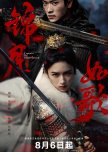
Legend of the Female General is one of those rare dramas.
By the time I finished it, I understood exactly why so many viewers considered it one of the strongest historical releases of the year.
More importantly...
I understood why it earned a place among my personal Top 10 historical C-dramas.
Because this wasn't simply another story about a woman disguising herself as a man.
Nor was it simply another military romance.
It became a story about earning respect, carrying responsibility, surviving impossible odds, and finding someone who chooses to stand beside you—not because you need saving, but because they recognize your worth.
From the very beginning, He Yan completely won me over.
One thing I've noticed after watching dozens of historical dramas is that many writers mistake a "strong female lead" for someone who is simply unbeatable.
Legend of the Female General never falls into that trap.
He Yan isn't respected because the script tells everyone she's extraordinary.
She earns every bit of that respect.
She trains harder than everyone else.
She hides her identity while enduring constant suspicion.
She proves herself through actions instead of speeches.
She loses.
She suffers.
She fails.
She learns.
Every promotion, every achievement, and every victory felt deserved because the drama never took shortcuts in building her character.
Watching her slowly rise through the military ranks became one of the most satisfying journeys I've seen in a historical drama.
That is exactly what made her inspiring.
Not because she was perfect.
But because she earned everything.
Then there's Xiao Jue.
I've seen many cold, powerful male leads throughout historical dramas.
Yet Xiao Jue managed to stand out without trying to become the center of attention.
He never underestimated He Yan.
He never treated her like someone who constantly needed protection.
He observed.
He trusted.
And only then did he fall in love.
That progression made their relationship feel incredibly mature.
Their romance wasn't built on dramatic confessions or endless misunderstandings.
It grew naturally through admiration, mutual respect, and shared experiences on the battlefield.
Perhaps that's why their chemistry felt so believable.
Neither one overshadowed the other.
Neither existed to "complete" the other.
They became partners.
Equals.
And honestly...
I think that's far more romantic than grand declarations of love.
One of the biggest reasons this drama stands out is its military storyline.
As someone who genuinely enjoys military historical dramas, I appreciated how much attention the writers gave to army life instead of treating battles as mere spectacles.
Training.
Military discipline.
Promotions.
Command hierarchy.
Battlefield formations.
Brotherhood.
Leadership.
Responsibility.
Everything felt meaningful.
The soldiers weren't disposable background characters.
The army itself became one of the story's strongest characters.
Every victory came with sacrifice.
Every battle carried consequences.
Because of that, the action scenes never felt empty.
They carried emotional weight.
The political storyline also deserves recognition.
Rather than relying solely on romance, the drama balanced military affairs with court politics, corruption, family conflicts, and power struggles.
The political intrigue never became unnecessarily complicated, yet it remained engaging enough to keep every episode moving.
Every decision inside the court eventually affected the battlefield.
Every military victory influenced political power.
Everything felt connected.
The supporting cast also played a huge role in making the story memorable.
None of them felt like simple background characters.
Each had their own motivations, loyalties, and personal struggles.
Whether they were fellow soldiers, commanders, political allies, or members of the imperial court, every important supporting character contributed meaningfully to He Yan's journey.
That made the world feel complete.
It wasn't simply the story of one heroine.
It became the story of an entire army fighting together.
Visually, this drama was consistently impressive.
The battle sequences were cinematic without becoming chaotic.
The military camps felt lived in.
The armor, costumes, weapons, and production design reflected the harsh reality of military life while still maintaining the elegance expected from a historical production.
Nothing looked overly artificial.
Everything served the story.
The cinematography deserves special praise.
Instead of relying on excessive slow motion or flashy effects, it trusted the performances, landscapes, and choreography to carry the emotional impact.
Many scenes felt like paintings brought to life.
The performances elevated everything even further.
Zhou Ye delivered one of the strongest performances of her career.
She perfectly balanced vulnerability and determination.
Whether she was standing confidently before an entire army or quietly confronting her own emotional struggles, every expression felt genuine.
She never needed exaggerated acting to convince me that she was He Yan.
She simply became the character.
Cheng Lei was equally outstanding.
His portrayal of Xiao Jue relied heavily on subtle expressions rather than dramatic emotional outbursts.
A glance.
A brief smile.
A moment of silence.
Sometimes those moments communicated far more than pages of dialogue ever could.
Together, they created one of the most mature and believable partnerships I've seen in a historical romance.
If I had one criticism, it would be that a few political antagonists could have benefited from deeper development. Some later conflicts also resolved a bit faster than I expected, especially considering how carefully the earlier military arcs had been built.
Still...
those were relatively small issues in an otherwise remarkably consistent drama.
Looking back, I realized something.
Legend of the Female General never relied on shocking plot twists.
It never depended on excessive romance.
It didn't need endless misunderstandings to keep viewers invested.
Instead...
it trusted its characters.
It trusted its storytelling.
And most importantly...
it trusted the audience to appreciate quiet character growth, meaningful relationships, and victories that were earned rather than conveniently handed to the heroes.
That is exactly why this drama became one of my personal Top 10 historical C-dramas.
Not because it tried to be the loudest.
But because almost every element—its characters, military storytelling, political intrigue, performances, cinematography, and emotional journey—worked together with remarkable consistency.
For me, Legend of the Female General is a reminder of why I fell in love with historical C-dramas in the first place.
Stories where courage matters more than power.
Respect matters more than status.
And love is strongest when two people stand beside each other as equal.
Others leave you emotionally devastated through tragedy.
Then there are rare dramas that quietly excel in almost every aspect without constantly trying to prove how great they are.
Legend of the Female General is one of those rare dramas.
By the time I finished it, I understood exactly why so many viewers considered it one of the strongest historical releases of the year.
More importantly...
I understood why it earned a place among my personal Top 10 historical C-dramas.
Because this wasn't simply another story about a woman disguising herself as a man.
Nor was it simply another military romance.
It became a story about earning respect, carrying responsibility, surviving impossible odds, and finding someone who chooses to stand beside you—not because you need saving, but because they recognize your worth.
From the very beginning, He Yan completely won me over.
One thing I've noticed after watching dozens of historical dramas is that many writers mistake a "strong female lead" for someone who is simply unbeatable.
Legend of the Female General never falls into that trap.
He Yan isn't respected because the script tells everyone she's extraordinary.
She earns every bit of that respect.
She trains harder than everyone else.
She hides her identity while enduring constant suspicion.
She proves herself through actions instead of speeches.
She loses.
She suffers.
She fails.
She learns.
Every promotion, every achievement, and every victory felt deserved because the drama never took shortcuts in building her character.
Watching her slowly rise through the military ranks became one of the most satisfying journeys I've seen in a historical drama.
That is exactly what made her inspiring.
Not because she was perfect.
But because she earned everything.
Then there's Xiao Jue.
I've seen many cold, powerful male leads throughout historical dramas.
Yet Xiao Jue managed to stand out without trying to become the center of attention.
He never underestimated He Yan.
He never treated her like someone who constantly needed protection.
He observed.
He trusted.
And only then did he fall in love.
That progression made their relationship feel incredibly mature.
Their romance wasn't built on dramatic confessions or endless misunderstandings.
It grew naturally through admiration, mutual respect, and shared experiences on the battlefield.
Perhaps that's why their chemistry felt so believable.
Neither one overshadowed the other.
Neither existed to "complete" the other.
They became partners.
Equals.
And honestly...
I think that's far more romantic than grand declarations of love.
One of the biggest reasons this drama stands out is its military storyline.
As someone who genuinely enjoys military historical dramas, I appreciated how much attention the writers gave to army life instead of treating battles as mere spectacles.
Training.
Military discipline.
Promotions.
Command hierarchy.
Battlefield formations.
Brotherhood.
Leadership.
Responsibility.
Everything felt meaningful.
The soldiers weren't disposable background characters.
The army itself became one of the story's strongest characters.
Every victory came with sacrifice.
Every battle carried consequences.
Because of that, the action scenes never felt empty.
They carried emotional weight.
The political storyline also deserves recognition.
Rather than relying solely on romance, the drama balanced military affairs with court politics, corruption, family conflicts, and power struggles.
The political intrigue never became unnecessarily complicated, yet it remained engaging enough to keep every episode moving.
Every decision inside the court eventually affected the battlefield.
Every military victory influenced political power.
Everything felt connected.
The supporting cast also played a huge role in making the story memorable.
None of them felt like simple background characters.
Each had their own motivations, loyalties, and personal struggles.
Whether they were fellow soldiers, commanders, political allies, or members of the imperial court, every important supporting character contributed meaningfully to He Yan's journey.
That made the world feel complete.
It wasn't simply the story of one heroine.
It became the story of an entire army fighting together.
Visually, this drama was consistently impressive.
The battle sequences were cinematic without becoming chaotic.
The military camps felt lived in.
The armor, costumes, weapons, and production design reflected the harsh reality of military life while still maintaining the elegance expected from a historical production.
Nothing looked overly artificial.
Everything served the story.
The cinematography deserves special praise.
Instead of relying on excessive slow motion or flashy effects, it trusted the performances, landscapes, and choreography to carry the emotional impact.
Many scenes felt like paintings brought to life.
The performances elevated everything even further.
Zhou Ye delivered one of the strongest performances of her career.
She perfectly balanced vulnerability and determination.
Whether she was standing confidently before an entire army or quietly confronting her own emotional struggles, every expression felt genuine.
She never needed exaggerated acting to convince me that she was He Yan.
She simply became the character.
Cheng Lei was equally outstanding.
His portrayal of Xiao Jue relied heavily on subtle expressions rather than dramatic emotional outbursts.
A glance.
A brief smile.
A moment of silence.
Sometimes those moments communicated far more than pages of dialogue ever could.
Together, they created one of the most mature and believable partnerships I've seen in a historical romance.
If I had one criticism, it would be that a few political antagonists could have benefited from deeper development. Some later conflicts also resolved a bit faster than I expected, especially considering how carefully the earlier military arcs had been built.
Still...
those were relatively small issues in an otherwise remarkably consistent drama.
Looking back, I realized something.
Legend of the Female General never relied on shocking plot twists.
It never depended on excessive romance.
It didn't need endless misunderstandings to keep viewers invested.
Instead...
it trusted its characters.
It trusted its storytelling.
And most importantly...
it trusted the audience to appreciate quiet character growth, meaningful relationships, and victories that were earned rather than conveniently handed to the heroes.
That is exactly why this drama became one of my personal Top 10 historical C-dramas.
Not because it tried to be the loudest.
But because almost every element—its characters, military storytelling, political intrigue, performances, cinematography, and emotional journey—worked together with remarkable consistency.
For me, Legend of the Female General is a reminder of why I fell in love with historical C-dramas in the first place.
Stories where courage matters more than power.
Respect matters more than status.
And love is strongest when two people stand beside each other as equal.
Was this review helpful to you?


