



Korean Buddhism temple life, food culture and a particular philosophy of living.
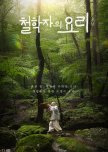
I started watching The Philosopher's Kitchen Jeong Kwan without knowing anything about it. The cover simply caught my attention, and I clicked out of curiosity. I ended up discovering a beautiful, peaceful and genuinely informative two-episode documentary.
What I enjoyed most was that it offered much more than cooking. Through Jeong Kwan's recipes and explanations, I learned about Korean Buddhist temple cuisine and the philosophy behind its vegetarian approach. I also loved seeing her gather ingredients from nature, the surrounding landscape, the traditional kitchen and the quieter rhythms of her daily life.
The visits from people who came specifically to learn from her, prepare temple food and experience her cooking were fascinating. I was also surprised to discover just how much international interest she has attracted, including professional chefs who have visited her to learn from her cuisine. I had no idea, before watching this, that her work had reached such a wide audience or that her food had inspired an internationally published book with photography, as well as appearances in major cultural events such as the Gwangju and Bukhara Biennales.
That was probably the most enjoyable part of the experience for me: I discovered Jeong Kwan and her world at the same time as I discovered the documentary itself.
The beautiful natural surroundings, traditional food, quiet atmosphere and the knowledge she shares make this a relaxing but also genuinely educational watch. It feels less like a conventional cooking show and more like a small window into Korean Buddhism temple life, food culture and a particular philosophy of living.
It's only two episodes, but I found them captivating, informative and unexpectedly moving. A lovely discovery and a 10/10 for me. 🌿🍵
Was this review helpful to you?


