
 Editorials



The Weight of Someone Else's Sins
I can't believe it's already over.
Was the ending satisfying? I think so. Could the series have used two more episodes? Two more seasons? Absolutely.
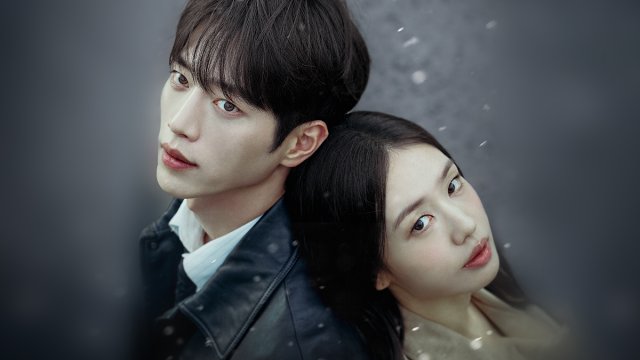
The setup is almost unfairly good: fifteen years after a murder shattered both of their lives, the son of the victim and the son of the killer find themselves reunited on opposite sides of the law. Ju Tae-seon has turned his grief into purpose. As a prosecutor, he's relentless and unforgiving, carrying the past like a weapon. Lee Chae-ha, now an investigator, has spent his entire adult life trying to prove that he's more than the legacy his father left behind. Two magnets with every reason to repel each other, pulled together anyway.
The intensity between them is real and immediate, and the show earns it.
That scene in episode seven — Lee Chae-ha standing in the rain outside Ju Tae-seon's door and then stepping across the threshold. Chef's kiss doesn't cover it.
Where I found myself slightly disconnected was around the big reveal of Ju Tae-seon's true identity. I had assumed both men already knew who the other was — that their mutual pull came precisely from that shared, unspoken understanding of what it means to carry that particular kind of grief. The idea that they were the only people in the world who truly knew what the other's pain felt like.
That, to me, was already enough. I didn't need a hidden identity to create tension; I wanted to watch two people who recognised themselves in each other's grief. So when the revelation landed as a dramatic twist, it didn't quite hit me the way it was probably intended. If anything, it made me wonder why Lee Chae-ha had allowed himself to be treated the way he was, without that context.
What I would have loved instead: both of them knowing from the beginning, and the complexity coming not from the secret itself but from what they do with that knowledge. Lee Chae-ha accepting Ju Tae-seon's anger — even their increasingly complicated intimacy — out of guilt, while both of them slowly realise that what's happening between them has started to heal something that neither of them ever expected to heal. The power and the tenderness existing at the same time, and neither of them quite knowing what to do with that.
The actual crime investigation is where the series occasionally lost me. I enjoy a good mystery, but I found it genuinely difficult to follow what was actually happening — who was connected to whom and why it all mattered. Ironically, I had guessed who the real culprit was fairly early on, despite never feeling like I had a complete grasp of the investigation itself. And I could have done without the AI elements, which felt unnecessary and slightly out of place in a story that worked best when it stayed grounded and human.
But none of that changes how much I appreciated what this series was doing. The performances are excellent across the board, and the intimate scenes carry genuine weight — that particular combination of intensity and vulnerability is genuinely rare in BL. This is adult storytelling: a crime series where two men happen to fall for each other, rather than a romance that uses crime as decoration. The show understands the difference, even if I occasionally wished it had leaned even harder into the slow burn — more pining, more quiet terror at the realisation of what these feelings actually are.
There was still so much left to explore. I wasn't ready to leave these characters behind.
Was the ending satisfying? I think so. Could the series have used two more episodes? Two more seasons? Absolutely.
The setup is almost unfairly good: fifteen years after a murder shattered both of their lives, the son of the victim and the son of the killer find themselves reunited on opposite sides of the law. Ju Tae-seon has turned his grief into purpose. As a prosecutor, he's relentless and unforgiving, carrying the past like a weapon. Lee Chae-ha, now an investigator, has spent his entire adult life trying to prove that he's more than the legacy his father left behind. Two magnets with every reason to repel each other, pulled together anyway.
The intensity between them is real and immediate, and the show earns it.
That scene in episode seven — Lee Chae-ha standing in the rain outside Ju Tae-seon's door and then stepping across the threshold. Chef's kiss doesn't cover it.
Where I found myself slightly disconnected was around the big reveal of Ju Tae-seon's true identity. I had assumed both men already knew who the other was — that their mutual pull came precisely from that shared, unspoken understanding of what it means to carry that particular kind of grief. The idea that they were the only people in the world who truly knew what the other's pain felt like.
That, to me, was already enough. I didn't need a hidden identity to create tension; I wanted to watch two people who recognised themselves in each other's grief. So when the revelation landed as a dramatic twist, it didn't quite hit me the way it was probably intended. If anything, it made me wonder why Lee Chae-ha had allowed himself to be treated the way he was, without that context.
What I would have loved instead: both of them knowing from the beginning, and the complexity coming not from the secret itself but from what they do with that knowledge. Lee Chae-ha accepting Ju Tae-seon's anger — even their increasingly complicated intimacy — out of guilt, while both of them slowly realise that what's happening between them has started to heal something that neither of them ever expected to heal. The power and the tenderness existing at the same time, and neither of them quite knowing what to do with that.
The actual crime investigation is where the series occasionally lost me. I enjoy a good mystery, but I found it genuinely difficult to follow what was actually happening — who was connected to whom and why it all mattered. Ironically, I had guessed who the real culprit was fairly early on, despite never feeling like I had a complete grasp of the investigation itself. And I could have done without the AI elements, which felt unnecessary and slightly out of place in a story that worked best when it stayed grounded and human.
But none of that changes how much I appreciated what this series was doing. The performances are excellent across the board, and the intimate scenes carry genuine weight — that particular combination of intensity and vulnerability is genuinely rare in BL. This is adult storytelling: a crime series where two men happen to fall for each other, rather than a romance that uses crime as decoration. The show understands the difference, even if I occasionally wished it had leaned even harder into the slow burn — more pining, more quiet terror at the realisation of what these feelings actually are.
There was still so much left to explore. I wasn't ready to leave these characters behind.
Was this review helpful to you?


