

 77
77 330
330 10
10 1
1 5
5 1
1 12
12 1
1 2
2 3
3 1
1 2
2 1
1 1
1 5
5 10
10 1
1 1
1 2
2 1
1 2
2 1
1 1
1 3
3 2
2 1
1 2
2 2
2 1
1 2
2 1
1 8
8


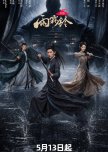
Purple Rain
Dusk settles with a tinge of red bleeding into the darkening blue skies, and purple rain weeps over the hilly, undulating landscape—foreshadowing bloodshed. On this rainy jiāng hú night, dangerous men seek libation and shelter from the storm at a remote inn, apparently at ease but with weapons close at hand. A harmless exchange rapidly escalates into violence—the loss-of-life-and-limb kind of violence—in the blink of an eye. Linglong, a young lady fleeing marriage and thirsty for adventure, bravely intervenes to rescue a mute boy and my dog. An inscrutable lone swordsman, his chiseled features half-hidden by a dǒulì (斗笠), watches impassively. When he enters the fray, he is at a disadvantage—injured and far from invincible. Yet the lithe, latent power and efficiency in his motions convey that he is still not to be underestimated. The stage is set, and the stakes are real. I was hooked—and not just because my dog opened the show.
Zhan Zhao Adventures is a thrilling and atmospheric old-school mystery wuxia. The melancholic, rain-swept opening reflects the Chinese title 雨霖铃 / Yǔ Lín Líng (Rain Bells), a classic Song dynasty ci poem about Emperor Xuanzong's grief-stricken flight during the An Lushan Rebellion—of mournful carriage bells ringing in the rain, reminding him of his beloved consort Yang Guifei. In the context of the drama, it evokes the political intrigue and struggles Zhan Zhao faces as he weighs justice for his lost friend against duty, and the cost of being a hero in a flawed system. The drama is adapted from fanfic writer minifish's reimagining of the beloved classic Qing dynasty wuxia The Seven Heroes and Five Gallants (七侠五义, Qī Xiá Wǔ Yì), featuring the core heroic ensemble that helps Judge Bao fight corruption and solve cases. In minifish's alternate universe, Judge Bao remains firmly offscreen; the story hones in on Zhan Zhao and Bai Yutang's famous rivalry, sidelining and friend-zoning Ding Yuehua. The female lead, Huo Linglong, is a minifish creation.
This is an action-oriented, largely plot-driven story, and on those fronts, it delivers spectacularly. Zhan Zhao teams up with Linglong and Bai Yutang to unravel a deeply entrenched conspiracy that has spun a vast web of influence across jiāng hú's most influential sects and corrupted the nation's most important bureaucracies. Together, they must discover and disarm the Four Divine Lords, who each spearhead one leg of the conspiracy and operate semi-independently to avoid exposure. While this kind of court intrigue plot has been done before, and the final villain's motive lacks depth and gray morality, his power play is well structured to cover the crucial military, financial, civil, and martial aspects. Though not overly convoluted, some character digressions in the middle arcs distract from the overarching plot.
The action is the drama's strongest feature—old-school, classic martial arts choreography: grounded, fast-moving, fluid, and intense. Everything I expect of this genre and more. The sharp contrast between Bai Yutang's wildly aggressive, hard-hitting, and tricky combat tactics and Zhan Zhao's more restrained, composed, and defensive approach is immediately visible. Yang Yang's prowess and finesse at pulling off fantastic stunts himself in long, continuous fight sequences has won wide and well-deserved praise. I just want to highlight that Fang Yilun held his own in a way that also impressed me. Zhang Ruonan is the weak link, with her heavy use of body doubles and unconvincing, floppy, wobbly fight sequences. Less would have been more.
Where the narrative stumbles is in the character arcs—they are not that well written and weigh on the pacing of the plot. While I enjoyed the camaraderie and spirit of adventure among the trio, Linglong strikes me as a rather aimless character fleeing an unwanted marriage with no goals or motivations of her own. While romance shouldn't drive the plot in a wuxia, I wouldn't have minded if she tagged along simply because both her and Zhan Zhao's hearts were stirred. Bai Yutang is an opposite character to Zhan Zhao, whose core strength and fatal flaw is how he colors outside the lines. His is the more interesting role, and I would have liked to see more of his famous rivalry with Zhan Zhao before they fell into such an effortless bromance. Unfortunately, both his and Linglong's backstories are not that well told and are clumsily integrated into the middle plot arcs. The narrative fails to sell both Bai Yutang's connection to his brother and Linglong's to her aunt/gūgū. The supporting roles were mostly miscast—I could not connect the child actors with the adult actors' grief and devastation. The narrative digresses too long into their moping, Linglong and Yutang's conflict felt contrived, and the twists were overly convoluted in the Jin family/poison arc.
From the start, Zhan Zhao is already a fully realized character, so this is not about a hero's journey. The narrative heavily leans on the Chinese audience's deep familiarity with the character and only touches upon Zhan Zhao's origin story in the final arc, making his ethos difficult for international audiences to relate to. Yet the production's claim that only Yang Yang could have pulled off this role is no exaggeration. Beyond his ability to deliver technically flawless fight scenes, he simply looks the part of that solitary, chivalrous 大侠 (dàxiá)—the knight-errant who sticks to his ideals in the face of grief and extreme provocation. That said, while his acting continues to improve, Yang Yang doesn't quite convey the character's inner layers. This is partly a script issue, where too much lip service is paid to the ideal of legal justice as opposed to vigilante justice. It is all tell, not show. Judge Bao doesn't appear, so we never get to see Zhan Zhao's legal justice actually work onscreen. This leaves the false impression that justice was not served and the bad guys won. In this, the finale message left me even more confused—for it seemed to make the case for street justice instead.
All that said, I enjoyed the action-packed finale. Even though it wasn't the best fight scene, it was pretty damn good. There were some tears, some fears, its share of good and bad deaths, and a thought-provoking kind of justice. Most of all, it respects audience intelligence and is quite clear without quite spelling out everything.
Overall, this is one of the best classic mystery wuxias I have watched in years and deserves an 8.5/10 from me.
Zhan Zhao Adventures is a thrilling and atmospheric old-school mystery wuxia. The melancholic, rain-swept opening reflects the Chinese title 雨霖铃 / Yǔ Lín Líng (Rain Bells), a classic Song dynasty ci poem about Emperor Xuanzong's grief-stricken flight during the An Lushan Rebellion—of mournful carriage bells ringing in the rain, reminding him of his beloved consort Yang Guifei. In the context of the drama, it evokes the political intrigue and struggles Zhan Zhao faces as he weighs justice for his lost friend against duty, and the cost of being a hero in a flawed system. The drama is adapted from fanfic writer minifish's reimagining of the beloved classic Qing dynasty wuxia The Seven Heroes and Five Gallants (七侠五义, Qī Xiá Wǔ Yì), featuring the core heroic ensemble that helps Judge Bao fight corruption and solve cases. In minifish's alternate universe, Judge Bao remains firmly offscreen; the story hones in on Zhan Zhao and Bai Yutang's famous rivalry, sidelining and friend-zoning Ding Yuehua. The female lead, Huo Linglong, is a minifish creation.
This is an action-oriented, largely plot-driven story, and on those fronts, it delivers spectacularly. Zhan Zhao teams up with Linglong and Bai Yutang to unravel a deeply entrenched conspiracy that has spun a vast web of influence across jiāng hú's most influential sects and corrupted the nation's most important bureaucracies. Together, they must discover and disarm the Four Divine Lords, who each spearhead one leg of the conspiracy and operate semi-independently to avoid exposure. While this kind of court intrigue plot has been done before, and the final villain's motive lacks depth and gray morality, his power play is well structured to cover the crucial military, financial, civil, and martial aspects. Though not overly convoluted, some character digressions in the middle arcs distract from the overarching plot.
The action is the drama's strongest feature—old-school, classic martial arts choreography: grounded, fast-moving, fluid, and intense. Everything I expect of this genre and more. The sharp contrast between Bai Yutang's wildly aggressive, hard-hitting, and tricky combat tactics and Zhan Zhao's more restrained, composed, and defensive approach is immediately visible. Yang Yang's prowess and finesse at pulling off fantastic stunts himself in long, continuous fight sequences has won wide and well-deserved praise. I just want to highlight that Fang Yilun held his own in a way that also impressed me. Zhang Ruonan is the weak link, with her heavy use of body doubles and unconvincing, floppy, wobbly fight sequences. Less would have been more.
Where the narrative stumbles is in the character arcs—they are not that well written and weigh on the pacing of the plot. While I enjoyed the camaraderie and spirit of adventure among the trio, Linglong strikes me as a rather aimless character fleeing an unwanted marriage with no goals or motivations of her own. While romance shouldn't drive the plot in a wuxia, I wouldn't have minded if she tagged along simply because both her and Zhan Zhao's hearts were stirred. Bai Yutang is an opposite character to Zhan Zhao, whose core strength and fatal flaw is how he colors outside the lines. His is the more interesting role, and I would have liked to see more of his famous rivalry with Zhan Zhao before they fell into such an effortless bromance. Unfortunately, both his and Linglong's backstories are not that well told and are clumsily integrated into the middle plot arcs. The narrative fails to sell both Bai Yutang's connection to his brother and Linglong's to her aunt/gūgū. The supporting roles were mostly miscast—I could not connect the child actors with the adult actors' grief and devastation. The narrative digresses too long into their moping, Linglong and Yutang's conflict felt contrived, and the twists were overly convoluted in the Jin family/poison arc.
From the start, Zhan Zhao is already a fully realized character, so this is not about a hero's journey. The narrative heavily leans on the Chinese audience's deep familiarity with the character and only touches upon Zhan Zhao's origin story in the final arc, making his ethos difficult for international audiences to relate to. Yet the production's claim that only Yang Yang could have pulled off this role is no exaggeration. Beyond his ability to deliver technically flawless fight scenes, he simply looks the part of that solitary, chivalrous 大侠 (dàxiá)—the knight-errant who sticks to his ideals in the face of grief and extreme provocation. That said, while his acting continues to improve, Yang Yang doesn't quite convey the character's inner layers. This is partly a script issue, where too much lip service is paid to the ideal of legal justice as opposed to vigilante justice. It is all tell, not show. Judge Bao doesn't appear, so we never get to see Zhan Zhao's legal justice actually work onscreen. This leaves the false impression that justice was not served and the bad guys won. In this, the finale message left me even more confused—for it seemed to make the case for street justice instead.
All that said, I enjoyed the action-packed finale. Even though it wasn't the best fight scene, it was pretty damn good. There were some tears, some fears, its share of good and bad deaths, and a thought-provoking kind of justice. Most of all, it respects audience intelligence and is quite clear without quite spelling out everything.
Overall, this is one of the best classic mystery wuxias I have watched in years and deserves an 8.5/10 from me.
Was this review helpful to you?


