

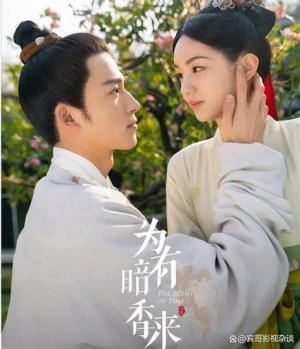



A Journey Through Time, Love, and Destiny
Dreaming Back to the Qing Dynasty is a beautiful blend of romance, historical intrigue, and fantasy that keeps you emotionally invested from beginning to end. What starts as a modern woman's mysterious journey into the Qing Dynasty gradually transforms into a story about destiny, sacrifice, and the choices that shape our lives.The female lead grows from someone simply trying to survive into a strong, compassionate woman whose emotions feel genuine throughout the series. Watching her navigate palace politics, unexpected friendships, and heartbreaking love makes her journey both inspiring and painful.
The male lead delivers a memorable performance, balancing power, vulnerability, and unwavering devotion. His chemistry with the female lead is natural, making every quiet conversation, shared glance, and emotional reunion feel meaningful. Their relationship develops through trust and sacrifice rather than simple attraction, giving the romance real depth.
The Qing Dynasty setting is one of the drama's greatest strengths. The elegant costumes, palace architecture, traditional customs, and political conflicts create a rich atmosphere that pulls viewers into another era. While the story moves at a deliberate pace, it rewards patient viewers with emotional character development and powerful moments that linger long after the final episode.
Although the ending leaves viewers with mixed emotions, it fits the drama's central themes of fate, time, and enduring love. *Dreaming Back to the Qing Dynasty* is not simply a time-travel romance—it is a heartfelt story about finding where you truly belong, even when history itself stands in your way.
Was this review helpful to you?

Seven Personalities, One Unforgettable Masterpiece
Some dramas entertain you, while others leave a lasting impression on your heart. *Kill Me, Heal Me* is one of those rare series that masterfully blends romance, comedy, suspense, and psychological healing into an unforgettable story. At its core, the drama follows **Cha Do-hyun**, the heir to a wealthy conglomerate who secretly lives with Dissociative Identity Disorder (DID) after experiencing severe childhood trauma. Desperate to keep his condition hidden while searching for the truth behind his past, Do-hyun's life changes forever when he meets a determined psychiatric resident, **Oh Ri-jin**.The male lead, **Cha Do-hyun** (Ji Sung), delivers one of the finest performances I've ever seen in a Korean drama. Playing one character is difficult enough, but Ji Sung convincingly portrays seven distinct personalities, each with their own voice, mannerisms, emotions, and motivations. From the fearless and unforgettable Shin Se-gi to the mischievous Perry Park and the innocent Yo-na, every personality feels like a completely different person rather than a simple acting exercise. His performance is emotional, heartbreaking, hilarious, and inspiring all at once. It isn't just about showcasing different personalities—it is about revealing the pain, fear, and resilience of a man desperately trying to survive the wounds of his childhood.
The female lead, **Oh Ri-jin** (Hwang Jung-eum), is much more than the typical romantic heroine. As a psychiatric resident, she becomes Do-hyun's greatest source of comfort, understanding, and strength. Ri-jin refuses to define him by his illness, choosing instead to see the kind and compassionate person hidden beneath years of emotional suffering. Hwang Jung-eum brings warmth, humor, and genuine compassion to the role, creating a heroine who helps heal others while gradually confronting her own painful memories. The chemistry between Ji Sung and Hwang Jung-eum is heartfelt and natural, making their relationship one of the drama's strongest emotional anchors.
The supporting cast adds even more depth to the story, especially **Oh Ri-on** (Park Seo-joon), Ri-jin's protective twin brother. His witty personality provides plenty of comic relief, but beneath his humor lies unwavering loyalty and a deep concern for his family. As the story unfolds, every character plays an important role in uncovering long-buried secrets that connect the past to the present.
What truly makes *Kill Me, Heal Me* extraordinary is that it never treats mental illness as a gimmick. Instead, it explores how childhood trauma can shape a person's life and how healing often begins with compassion, acceptance, and confronting painful truths. The drama balances emotional heartbreak with laugh-out-loud comedy, thrilling mystery, and touching romance, creating a story that keeps you invested from beginning to end.
Ji Sung's performance alone makes this drama worth watching, but it is the emotional storytelling that makes it unforgettable. Every personality represents a different piece of a broken soul, and watching those pieces slowly come together is both heartbreaking and deeply rewarding. Few dramas have made me laugh one moment, cry the next, and leave me reflecting long after the final episode.
*Kill Me, Heal Me* is more than a romance or a psychological drama—it is a story about surviving unimaginable pain, learning to forgive yourself, and discovering that healing is possible when someone finally sees every part of who you are and chooses to stay. It remains one of the greatest character-driven performances in Korean drama history and a series I will never forget.
Was this review helpful to you?
More Than a Wuxia Film—A Beautiful Story of Power and Sacrifice
Directed by acclaimed filmmaker **Zhang Yimou**, *Shadow* is far more than a martial arts epic. It is a visually breathtaking story of power, loyalty, deception, and the price of ambition. Set during China's Three Kingdoms-inspired era, the film follows a kingdom desperate to reclaim a lost city. Behind the political struggles lies a dangerous secret—a powerful commander has hidden himself from the world, allowing a carefully trained "shadow," or double, to stand in his place. As the battle for power unfolds, every character is forced to confront questions of identity, honor, and sacrifice.The male lead, **Jingzhou** (Deng Chao), delivers one of the film's most compelling performances. As the commander's shadow, Jingzhou has spent his life living in another man's image, surrendering his own identity for a purpose he never chose. Deng Chao masterfully portrays his quiet transformation from an obedient replacement into a man determined to control his own destiny. His emotional journey is every bit as gripping as the film's spectacular action sequences, making him a hero whose greatest battle is fought within himself.
The female lead, **Madam Xiao Ai** (Sun Li), is far more than a supporting character. Intelligent, observant, and emotionally resilient, Xiao Ai becomes the moral center of the story. Caught between loyalty to her husband and growing compassion for the man forced to live in his shadow, she navigates impossible choices with remarkable strength. Sun Li delivers a nuanced performance filled with quiet emotion, allowing Xiao Ai's inner conflict to unfold through subtle expressions rather than dramatic speeches. Her relationship with Jingzhou adds emotional depth to a story otherwise dominated by political intrigue and warfare.
One of *Shadow's* greatest achievements is its extraordinary visual style. Zhang Yimou creates an almost monochromatic world inspired by traditional Chinese ink-wash paintings. Shades of black, white, and gray dominate every frame, making bursts of movement and bloodshed feel even more striking. The choreography is equally mesmerizing, particularly the inventive use of umbrella weapons and fluid combat techniques that transform every duel into a work of art.
Beyond its stunning visuals, *Shadow* explores timeless themes about identity, manipulation, and the human desire for freedom. It asks whether a person defined by someone else's life can ever truly become themselves, and whether power is worth the sacrifices required to obtain it. Every alliance is uncertain, every victory comes with a cost, and every decision carries lasting consequences.
If you're expecting nonstop action, *Shadow* may surprise you with its thoughtful pacing and intricate political strategy. But for viewers who appreciate intelligent storytelling, unforgettable cinematography, and layered performances, it stands as one of the most visually distinctive wuxia films ever made. It is a film where every frame resembles a traditional Chinese painting, and every character leaves a shadow upon your heart long after the story ends.
Was this review helpful to you?
Two Souls Destined to Meet Beyond the Mortal World
The Enchanting Phantom is a visually captivating fantasy romance inspired by one of China's most beloved supernatural tales from *Strange Tales from a Chinese Studio*. Blending romance, mystery, action, and Chinese folklore, the film tells the story of a young scholar whose chance encounter with a mysterious woman leads him into a world where love, sacrifice, and destiny blur the line between the living and the dead.The female lead, **Nie Xiaoqian** (Li Kaixin), is both graceful and tragic. At first, she appears to be an enchanting young woman living in isolation, but beneath her beauty lies a heartbreaking existence filled with loneliness and circumstances beyond her control. Li Kaixin portrays Xiaoqian with elegance and quiet sorrow, making it easy to understand why her kindness shines even in the darkest moments. Rather than being simply a supernatural spirit, she is a woman longing for freedom, genuine love, and the chance to choose her own fate.
The male lead, **Ning Caichen** (Chen Xingxu), is a kind-hearted scholar whose compassion becomes his greatest strength. Unlike heroes who rely solely on martial arts or power, Ning's courage comes from his unwavering belief that people should be judged by their hearts rather than appearances. Chen Xingxu brings warmth, sincerity, and quiet determination to the role, making Ning's growing relationship with Xiaoqian feel believable and deeply emotional. Their chemistry captures the bittersweet feeling of two souls connected by fate despite impossible circumstances.
Supporting the story is the legendary demon hunter **Yan Chixia**, whose wisdom and powerful presence add excitement to the film's action sequences while reminding viewers that not every battle can be won with a sword alone. His character provides an important balance between justice, compassion, and sacrifice.
Visually, *The Enchanting Phantom* is stunning. The ethereal forests, ancient temples, flowing costumes, and supernatural effects create a dreamlike atmosphere that perfectly complements the film's romantic tone. While the action scenes are beautifully choreographed, the movie's greatest strength lies in its emotional storytelling. It asks whether love can survive fear, prejudice, and even death itself.
Although this version reimagines a classic Chinese ghost story with modern visual effects, it never loses sight of what made the original tale endure for generations—the emotional connection between two lonely souls searching for hope in a world filled with darkness.
If you enjoy fantasy romances inspired by Chinese mythology, breathtaking cinematography, and heartfelt performances, *The Enchanting Phantom* is a wonderful watch. It is a story that reminds us true love is not measured by the world we come from, but by the sacrifices we are willing to make for one another.
Was this review helpful to you?

A Love That Survived the Cruelty of the Forbidden City
The Palace is a beautifully filmed historical romance set during the Qing Dynasty, where friendship, ambition, and forbidden love collide within the walls of the Forbidden City. The story follows **Chenxiang**, a kind-hearted palace maid whose quiet life changes after she falls in love with the Thirteenth Prince, **Yinxiang**. But in a palace where power is everything, betrayal comes from the person she trusts most, forcing her to endure heartbreak, humiliation, and unimaginable sacrifices in order to protect the people she loves.The female lead, **Chenxiang** (Zhou Dongyu), is the emotional heart of the film. Unlike many palace heroines who rely on schemes and manipulation, Chenxiang remains compassionate and sincere even when surrounded by deception. Zhou Dongyu delivers a touching performance, allowing the audience to feel every ounce of Chenxiang's pain, resilience, and unwavering hope. Watching her struggle to hold onto her kindness in a world filled with greed and betrayal is what makes her journey so memorable.
The male lead, **Prince Yinxiang** (Chen Xiao), is everything you hope for in a romantic hero. Noble, gentle, and fiercely loyal, Yinxiang never lets his royal status define the way he treats others. Chen Xiao brings warmth and quiet strength to the character, making it easy to understand why Chenxiang falls in love with him. Their relationship isn't built on grand gestures alone—it grows through trust, sacrifice, and genuine affection, making every obstacle they face all the more heartbreaking.
One of the film's standout performances comes from **Zhao Liying** as **Liuli**, Chenxiang's childhood friend. Liuli's ambition slowly transforms her into someone willing to betray friendship for status and power. Zhao Liying portrays the character with enough charm and complexity that you can understand her desires, even as her choices become increasingly painful to watch.
What impressed me most was the emotional contrast between love and ambition. While many palace dramas focus heavily on political intrigue, *The Palace* never loses sight of its characters' emotions. Every betrayal carries weight, every sacrifice has consequences, and every decision shapes the lives of those trapped within the palace walls. Combined with elegant costumes, beautiful cinematography, and a haunting musical score, the film creates an atmosphere that is both romantic and tragic.
If you enjoy historical romances filled with palace intrigue, heartbreaking love stories, and characters forced to choose between power and loyalty, *The Palace* is well worth watching. It reminds us that in a place where ambition can destroy even the strongest friendships, love remains the one thing truly worth fighting for.
Was this review helpful to you?

A Beautiful Dance of Blades, Betrayal, and Destiny
Memories of the Sword is a visually stunning historical action film that weaves together themes of loyalty, betrayal, revenge, and forgiveness. Set during the late Goryeo Dynasty, the story follows a young woman raised in secret by the very person who has spent years preparing her for a destiny she never fully understood. Every sword strike, hidden truth, and emotional revelation brings her closer to uncovering the painful past that shaped her life.The female lead, **Hong-yi** (Kim Go-eun), is the soul of the film. Raised as an ordinary young woman, she gradually discovers that her life has been built upon secrets, sacrifice, and a promise made long before she was born. Kim Go-eun gives Hong-yi a wonderful balance of innocence, determination, and emotional depth. As she grows into a skilled swordswoman, her journey becomes less about revenge alone and more about discovering who she truly is and deciding what kind of future she wants to create.
Standing beside her is **Yul** (Lee Joon-ho), a loyal royal guard whose calm demeanor and unwavering sense of justice make him one of the film's most admirable characters. Although he is a gifted swordsman, Yul's greatest strength lies in his compassion and integrity. Lee Joon-ho portrays him with quiet confidence, creating a character who offers Hong-yi trust and support without overshadowing her own journey. Their relationship develops naturally, providing moments of warmth amid the film's darker themes.
Kim Hye-soo delivers a commanding performance as **Wol-so**, Hong-yi's mentor, whose life has been consumed by guilt, loss, and a vow she has carried for nearly two decades. Opposing them is the ambitious **Deok-gi** (Lee Byung-hun), whose hunger for power sets the entire tragedy in motion. His presence serves as a constant reminder of how betrayal can destroy friendships, families, and even kingdoms.
What truly sets *Memories of the Sword* apart is its breathtaking cinematography. Every duel feels less like a fight and more like a carefully choreographed dance, blending elegant swordplay with emotional storytelling. Rather than relying solely on action, the film explores the heavy burdens carried by those seeking revenge and asks whether vengeance can ever truly heal a wounded heart.
While the pacing is more reflective than fast-paced, those who appreciate character-driven historical dramas will find much to admire. The performances are outstanding, the visuals are unforgettable, and the emotional weight behind every decision gives the story lasting impact.
Memories of the Sword is ultimately about far more than mastering a blade. It is a story of broken promises, enduring love, painful sacrifice, and the difficult choice between revenge and forgiveness. Long after the final duel ends, the emotions behind each character's journey remain the film's sharpest weapon.
Was this review helpful to you?

When One Brave Soul Stands Against Evil
Brave Citizen is an action-packed thriller that blends dark humor, intense fight scenes, and social commentary into a story about standing up to injustice. Based on the popular webtoon, the film follows a once-promising boxing champion who takes a temporary teaching job at a high school, hoping to earn a permanent position. Instead, she finds herself surrounded by corruption, fear, and a violent student who believes he is untouchable.The female lead, **So Si-min** (played by Shin Hye-sun), is the heart of the movie. Once a national boxing champion, she has spent years hiding her true abilities to avoid trouble and protect her future. Shin Hye-sun perfectly balances Si-min's warm, compassionate personality with the fierce determination that emerges when she can no longer ignore the suffering around her. Watching her struggle between doing what is safe and doing what is right makes her an incredibly relatable and inspiring heroine.
The male lead and primary antagonist, **Han Su-gang** (played by Lee Jun-young), is one of the film's greatest strengths. Su-gang is arrogant, manipulative, and terrifying because he believes his family's wealth and influence place him above the law. Lee Jun-young delivers a chilling performance, portraying a bully who uses fear and violence to control everyone around him. Rather than being a one-dimensional villain, he represents the consequences of power without accountability, making every confrontation with Si-min feel meaningful and intensely satisfying.
What makes *Brave Citizen* stand out is that it isn't just about physical fights. It explores how fear allows bullying to grow, how people often remain silent to protect themselves, and how one person's courage can inspire others to stand up against injustice. The action choreography is exciting, but the emotional victories are just as rewarding.
Shin Hye-sun once again proves why she is one of Korea's most versatile actresses, effortlessly shifting between comedy, heartfelt emotion, and explosive action. Combined with Lee Jun-young's commanding performance, the two create a compelling battle of strength, determination, and willpower.
If you enjoy stories featuring a strong female protagonist, satisfying action, memorable villains, and a message about standing up for those who cannot defend themselves, *Brave Citizen* is a film well worth watching. It reminds us that true courage isn't about being fearless—it's about choosing to do the right thing, even when the odds are stacked against you.
Was this review helpful to you?
Even Meng Po Couldn't Make Me Forget This Love
Ferryman: Manjusaka is much more than a fantasy romance—it is a heartbreaking tale about sacrifice, fate, and the painful cost of loving someone you can never truly keep. Set in the mysterious Yellow Springs, where souls pass into the afterlife, the film blends Chinese mythology with stunning visuals and an emotional story that lingers long after the credits roll.The female lead, Sanqi, is unlike the typical heroine. Born missing part of her soul, she appears simple-minded and awkward, yet beneath that innocence is one of the purest hearts you'll find. As the future Meng Po, the keeper of the soup of forgetfulness, she has spent her life surrounded by loneliness, duty, and the endless procession of lost souls. Watching her discover love for the first time is both beautiful and devastating. He Hua delivers a performance filled with vulnerability, making Sanqi's innocence feel genuine rather than childish.
The male lead, Changsheng, enters Sanqi's lonely world as a wandering young cultivator, bringing warmth, hope, and mystery. While his arrival awakens emotions Sanqi never knew existed, his own hidden past and the secrets surrounding his identity slowly unravel into a heartbreaking truth. Wang Ruichang gives Changsheng a quiet strength that perfectly balances Sanqi's emotional openness, and their chemistry makes every joyful moment feel precious because you know fate is working against them.
What impressed me most was how the movie explores love through sacrifice instead of grand declarations. Every choice carries consequences, and every revelation deepens the tragedy. The film's mythology surrounding the Yellow Springs, the red Manjusaka flowers, and reincarnation creates an unforgettable atmosphere that feels both magical and melancholic.
If you're looking for nonstop action, this may not be the movie for you. But if you enjoy emotional fantasy romances with rich Chinese mythology, unforgettable characters, and a love story destined to make you cry, *Ferryman: Manjusaka* is absolutely worth watching. It reminds us that even in a place where souls are meant to forget everything, true love can leave a mark that not even reincarnation can erase.
Was this review helpful to you?
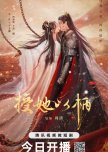
An Emotional Mini-Drama That Delivers More Than Expected
When I started A Tale of Love and Loyalty, I expected a typical historical mini-drama filled with romance, jealousy, and palace intrigue. What I got was a surprisingly emotional story about love, sacrifice, and the painful choices people make for those they care about most.For a mini-drama, the production quality is impressive. The costumes, cinematography, and soundtrack all feel much higher than what you usually expect from a short-format series. The music especially stands out, adding even more emotion to the heartbreaking scenes.
Richard Li once again proves why he's becoming one of my favorite actors in mini-dramas. His portrayal of Yuwen Yuan is intense, passionate, and completely devoted. He perfectly captures a man who is willing to sacrifice everything for the woman he loves. Ming Jiajia also delivers a solid performance, portraying Su Yan's inner conflict between duty, family, and love. Their chemistry is undeniable and is easily one of the drama's biggest strengths.
The story moves quickly, which is expected for a mini-drama, but it never feels rushed. Every episode leaves you wanting to see what happens next. There are plenty of emotional twists, political schemes, misunderstandings, and moments that had me questioning who was truly right or wrong. Rather than relying only on romance, the drama explores loyalty, responsibility, and the heavy burden of choosing between love and obligation.
If I had one complaint, it would be that I wanted more. Several supporting characters deserved additional development, and some emotional moments could have had a greater impact if the series had been longer. That's really the downside of the mini-drama format—you become attached to the characters just as the story is nearing its end.
Overall, A Tale of Love and Loyalty exceeded my expectations. It offers beautiful visuals, strong chemistry, excellent music, and enough emotional depth to make the short runtime feel meaningful. If you're looking for a historical romance filled with angst, longing, palace politics, and a love that refuses to fade, this drama is definitely worth watching.
Was this review helpful to you?
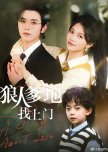
A Sweet Reminder That Love Can Be Found in the Most Unexpected Places
I wasn't expecting much when I started *A Story About Love*, but it turned out to be a surprisingly enjoyable short drama. Even with its limited runtime, it manages to tell a heartfelt romance that keeps you invested from beginning to end.The biggest strength of this drama is the chemistry between the leads. Their interactions feel natural, and you can see their relationship slowly develop instead of feeling rushed. Although the story follows some familiar romance tropes, the actors do a wonderful job making the characters feel genuine and easy to root for.
The pacing is one of the better aspects of the drama. Unlike many short dramas that jump from one dramatic moment to the next without allowing the audience to connect with the characters, this one balances romance, emotion, and conflict quite well. There are touching moments, a few misunderstandings, and enough emotional depth to keep the story engaging without becoming overly dramatic.
Visually, the production is simple but appealing. The cinematography and soundtrack complement the mood, creating a warm atmosphere that fits the story perfectly.
Of course, the drama isn't perfect. There are moments where I wished certain scenes had been given more time to develop, and a few supporting characters could have been explored further. But considering it's a short drama, it does an admirable job of telling a complete and satisfying story.
Overall, A Story About Love is a charming romance that's easy to binge in one sitting. If you're looking for a light, heartwarming drama with likable characters, sweet chemistry, and enough emotion to leave you smiling, I'd definitely recommend giving it a chance.
Was this review helpful to you?

The Weight of Vengeance
I went into An Arrow Through the Heart expecting a simple revenge story, and while it follows a familiar wuxia formula, I still found it to be an enjoyable watch. The story centers on Yang Hai, who survives the massacre of his family and dedicates his life to mastering archery so he can one day avenge them.What I enjoyed most was the focus on archery. It's refreshing to see a martial arts movie where the bow and arrow take center stage instead of the usual swords. The action scenes were entertaining, and I liked watching Yang Hai grow from a frightened survivor into a skilled warrior. The friendship he builds along the way also added some heart to the story.
The movie isn't without its flaws. The plot is predictable, and if you've watched a lot of historical Chinese action films, you'll probably guess where the story is headed early on. Some of the CGI and visual effects could have been better, but they didn't completely take away from the experience.
The acting was solid overall, especially considering the film's straightforward storyline. While none of the characters are especially deep, they were likable enough that I wanted to see how everything played out. The pacing also kept the movie moving, so it never really felt slow.
Overall, I'd give An Arrow Through the Heart 7.5/10. It may not reinvent the wuxia genre, but if you're looking for an entertaining revenge story with good archery action, beautiful historical scenery, and a satisfying conclusion, it's definitely worth watching.
Was this review helpful to you?

The Female Lead is the emotional center of the drama. Throughout her marriage, she loves her husband wholeheartedly and remains loyal despite the pain he causes her. She is not weak; rather, she is someone who continues to love even when she receives little understanding or affection in return. Her quiet sacrifices, patience, and unwavering devotion make her a deeply tragic character. As the story unfolds, viewers witness how much suffering she carries alone, making her eventual fate heartbreaking to watch.
The Male Lead, portrayed by Liu Xiaoxu, delivers one of the more emotionally complex performances in a short drama. At first, he appears cold, stubborn, and blinded by his own assumptions. He constantly misunderstands his wife and allows his pride and prejudices to dictate his actions. What makes his character compelling, however, is not who he is at the beginning but who he becomes after tragedy strikes. Once he finally learns the truth about her love and sacrifices, the weight of his mistakes crashes down upon him. His grief, regret, and self-blame feel genuine and devastating. Watching him realize that he destroyed the very person who loved him most is both painful and unforgettable. Viewers may find themselves angry at him for much of the drama, yet unable to ignore the depth of his remorse by the end.
What truly elevates *Ruler of My Heart* above many other short dramas is its message about relationships. Too often people believe they will have time later to apologize, to listen, to understand, or to show love. This drama reminds us that "later" is never guaranteed. Words left unsaid and feelings left unexplained can create wounds that become impossible to heal.
The story also touches on an important real-life issue: heartbreak and failed relationships can create overwhelming emotional pain, but ending one's life is never the answer. Relationships can end, marriages can fail, and people can make terrible mistakes, yet life itself is worth far more than any single relationship. Pain is temporary, even when it feels unbearable. Healing, new beginnings, and happiness remain possible as long as we continue moving forward. The drama shows how tragedy leaves lasting scars not only on the person suffering but also on those left behind. It serves as a reminder that seeking support, talking to trusted friends and family, or reaching out for professional help is always a stronger choice than surrendering to despair.
Overall, *Ruler of My Heart* is a heartbreaking but meaningful drama about love, regret, forgiveness, and the value of cherishing those who care for us while we still have the chance. If you enjoy emotional stories that make you cry, reflect on life, and appreciate the people around you a little more, this drama is well worth watching.
Was this review helpful to you?

new actors, new roles
A Love So Romantic* is a charming historical romance that combines humor, mystery, friendship, and heartfelt romance into an enjoyable coming-of-age story. While the plot follows familiar themes of mistaken identities, family secrets, and growing love, it succeeds because of its engaging characters and the performances of its young, up-and-coming cast.The story centers on Su Xiaowan, a clever and independent young woman who unexpectedly becomes involved in the affairs of a wealthy family. What begins as a journey filled with misunderstandings and hidden motives gradually develops into a story about trust, loyalty, and self-discovery. As secrets surrounding family relationships and personal identities are revealed, the characters are forced to confront both their pasts and their futures.
One of the drama's greatest strengths is the cast. The lead actors may not have been among the biggest stars at the time, but they brought a refreshing energy to their roles. The actress portraying Su Xiaowan gives the character warmth, intelligence, and determination, making her easy to support throughout the story. Rather than portraying a helpless heroine, she creates a young woman who is resourceful and capable while still maintaining a playful charm.
The male lead also delivers a strong performance, balancing confidence, humor, and emotional vulnerability. As his character grows from a somewhat carefree young man into someone willing to shoulder responsibility for those he loves, viewers are able to see genuine development rather than a simple romantic transformation.
The supporting cast deserves praise as well. Their friendships, rivalries, and family relationships add depth to the story and help create a world that feels lively and believable.
Overall, *A Love So Romantic* is a delightful drama that showcases the potential of a talented young cast. Its combination of romance, humor, and character growth makes it a lighthearted and enjoyable watch for fans of historical romantic comedies. The performances of these rising actors give the drama much of its heart and charm, leaving viewers eager to see their future price
Was this review helpful to you?
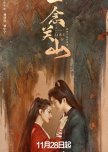
Love and hardship
A Journey to Love* is a remarkable historical drama that blends action, romance, political intrigue, and friendship into an unforgettable journey. While the story begins as a mission to rescue a captured emperor, it quickly evolves into something much deeper—a tale about redemption, loyalty, found family, and discovering purpose in a world shaped by war and power struggles.At the heart of the drama is Ren Ruyi, a former assassin whose life has been defined by loss, betrayal, and survival. Unlike many female leads, she is neither naïve nor dependent on others. She is intelligent, skilled, and emotionally guarded, having learned that trust often comes at a painful cost. Yet beneath her strength lies a woman searching for meaning beyond the violence that has shaped her life. Her growth throughout the drama is one of the most compelling aspects of the story.
Ning Yuanzhou is equally impressive. Calm, strategic, and deeply loyal, he is a leader who carries the burden of responsibility for those under his command. While he appears composed and confident, he struggles with his own regrets and the weight of past failures. His relationship with Ren Ruyi develops through mutual respect and trust, creating a mature romance that feels genuine rather than forced.
What truly elevates *A Journey to Love* is its supporting cast. Every member of the delegation feels important to the story. They are not simply side characters but individuals with their own fears, dreams, and personal growth. As they travel together, they become a family forged through hardship and sacrifice. Their friendships, loyalty, humor, and emotional bonds create many of the drama's most memorable moments.
The storyline balances political intrigue with personal journeys. There are battles, conspiracies, and diplomatic challenges, but the drama never loses sight of its characters. Each challenge they face forces them to confront their beliefs, question their loyalties, and grow as individuals.
Beautifully acted and emotionally rich, *A Journey to Love* is more than a romance or action drama. It is a story about finding people worth fighting for, learning to trust again, and understanding that life's greatest journeys are often the ones that change us from within. The characters stay with you long after the final episode, making this one of the most rewarding Chinese dramas in recent years.
Was this review helpful to you?
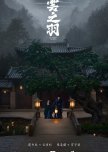
Needing more
My Journey to You* is much more than a typical wuxia romance. It is a story of identity, loyalty, sacrifice, and the difficult choices people make when their hearts and duties pull them in opposite directions. While the drama is visually stunning, its greatest strength lies in its characters and the emotional depth they bring to the story.The female lead begins as a skilled assassin whose life has been shaped by obedience and survival. Beneath her calm and disciplined exterior is a woman who has rarely been allowed to make choices for herself. As the story unfolds, viewers witness her struggle between following orders and discovering her own desires, making her journey both compelling and heartbreaking.
The male lead is equally fascinating. Though he often appears reserved and detached, he carries the weight of family expectations and responsibilities that few can understand. His quiet intelligence and growing emotional vulnerability make him far more complex than the typical romantic hero. Watching him learn to trust and open his heart becomes one of the most rewarding aspects of the drama.
What truly sets *My Journey to You* apart is its supporting cast. Many secondary characters are given their own motivations, fears, and personal conflicts. Rather than existing solely to support the main story, they feel like real individuals with their own journeys. Some characters seek power, others seek freedom, and many struggle with loyalty to family, sect, or personal beliefs. These layered relationships create emotional stakes that extend far beyond the central romance.
The chemistry between the leads is subtle yet powerful, built through trust, understanding, and shared sacrifices rather than grand romantic gestures. Their relationship develops naturally amid a world filled with secrets, betrayals, and hidden agendas.
Combined with breathtaking cinematography, elegant fight sequences, and an atmosphere of constant mystery, *My Journey to You* delivers a story that is both emotionally engaging and visually unforgettable. It is a drama that rewards patience, offering complex characters whose strengths, flaws, and personal growth leave a lasting impression long after the final episode.
Was this review helpful to you?


