



Needing more
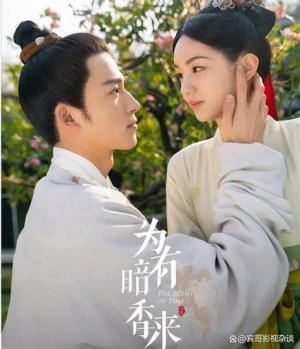
My Journey to You* is much more than a typical wuxia romance. It is a story of identity, loyalty, sacrifice, and the difficult choices people make when their hearts and duties pull them in opposite directions. While the drama is visually stunning, its greatest strength lies in its characters and the emotional depth they bring to the story.The female lead begins as a skilled assassin whose life has been shaped by obedience and survival. Beneath her calm and disciplined exterior is a woman who has rarely been allowed to make choices for herself. As the story unfolds, viewers witness her struggle between following orders and discovering her own desires, making her journey both compelling and heartbreaking.
The male lead is equally fascinating. Though he often appears reserved and detached, he carries the weight of family expectations and responsibilities that few can understand. His quiet intelligence and growing emotional vulnerability make him far more complex than the typical romantic hero. Watching him learn to trust and open his heart becomes one of the most rewarding aspects of the drama.
What truly sets *My Journey to You* apart is its supporting cast. Many secondary characters are given their own motivations, fears, and personal conflicts. Rather than existing solely to support the main story, they feel like real individuals with their own journeys. Some characters seek power, others seek freedom, and many struggle with loyalty to family, sect, or personal beliefs. These layered relationships create emotional stakes that extend far beyond the central romance.
The chemistry between the leads is subtle yet powerful, built through trust, understanding, and shared sacrifices rather than grand romantic gestures. Their relationship develops naturally amid a world filled with secrets, betrayals, and hidden agendas.
Combined with breathtaking cinematography, elegant fight sequences, and an atmosphere of constant mystery, *My Journey to You* delivers a story that is both emotionally engaging and visually unforgettable. It is a drama that rewards patience, offering complex characters whose strengths, flaws, and personal growth leave a lasting impression long after the final episode.
Was this review helpful to you?
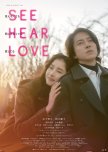
See Hear Love: Mienakute mo Kikoenakute mo Aishiteru
0 people found this review helpful
The heart hears everything
See Hear Love* is a touching and heartfelt Japanese romance that explores love, loss, and the ways people connect beyond words. The story follows a manga artist who is gradually losing his sight and a woman who is deaf, bringing together two people facing very different challenges yet finding understanding and comfort in one another.What makes this film special is its focus on communication, trust, and emotional connection rather than relying on dramatic twists. The relationship develops naturally, allowing viewers to become invested in the characters and their journey. The lead actors deliver sincere performances that make the emotions feel genuine and relatable.
The film handles themes of disability with sensitivity, showing both the struggles and strengths of its characters. Rather than defining them by their limitations, it highlights their determination, courage, and capacity for love.
Visually, *See Hear Love* is beautifully filmed, with many quiet moments that speak louder than words. The emotional scenes are both tender and heartbreaking, creating a story that stays with viewers long after it ends.
Overall, *See Hear Love* is a moving romance about acceptance, hope, and finding light in life's darkest moments. I highly recommend it to anyone who enjoys emotional love stories that focus on human connection, personal growth, and the power of understanding one another.
Was this review helpful to you?
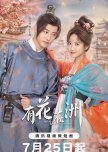
Secrets, Kingdoms, and a Love Destined to Bloom
A Flower on the Continent* is one of those historical romance dramas that does not try to reinvent the genre but succeeds by delivering an entertaining mix of romance, comedy, mistaken identities, and political intrigue. The story follows Hua Xiyu, a young woman forced to disguise herself as a man from childhood, whose life becomes intertwined with Prince Ning Xuanzhou, a royal hostage from a rival kingdom. A misunderstanding regarding each other's identities leads to a series of humorous and often touching moments that gradually blossom into romance.One of the drama's greatest strengths is its lighthearted atmosphere. While there are conspiracies, political struggles, and threats of war between kingdoms, the series never becomes overwhelmingly dark. Instead, it balances tension with humor, allowing viewers to enjoy the growing relationship between the main characters without feeling emotionally exhausted.
The chemistry between the leads is another highlight. Their relationship develops through misunderstandings, friendship, trust, and eventually affection. The cross-dressing storyline, a familiar trope in historical Chinese dramas, is handled in a way that creates plenty of amusing situations while still allowing the characters to grow emotionally.
Visually, the drama is pleasing to watch. The costumes are attractive, the sets are colorful, and the overall presentation fits well with the romantic fairy-tale tone of the story. The shorter episode format also helps keep the pacing relatively quick, making it easy to binge-watch.
However, the drama is not without flaws. Some of the political conflicts lack depth, and certain plot developments feel predictable. Viewers looking for a highly complex historical drama with intricate court politics may find the story somewhat simplistic. Several supporting characters show promise but are not explored as deeply as they could have been.
That said, *A Flower on the Continent* understands exactly what it wants to be: an enjoyable romantic historical drama filled with charm, humor, and heart. It may not be groundbreaking, but it is entertaining from beginning to end and offers enough sweetness and intrigue to keep viewers invent
If you enjoy historical romances featuring disguised identities, lovable misunderstandings, charming lead chemistry, and a balance of comedy and adventure, *A Flower on the Continent* is definitely worth adding to your watch list.
Was this review helpful to you?
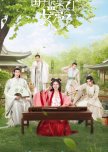
A Female Student Arrives at the Imperial College
0 people found this review helpful
A Lighthearted Story About Courage, Friendship, and Following Your Own Path
I recently finished watching A Female Student Arrives at the Imperial College, and overall, I found it to be an enjoyable historical romantic comedy with a refreshing premise.The story follows Sang Qi, a spirited young woman who becomes the first female student admitted to the Imperial College. Unlike many historical dramas where the female lead is constantly waiting to be rescued, Sang Qi is intelligent, determined, and willing to challenge traditions. Her lively personality brings a great deal of humor and energy to the series.
One of the strongest points of the drama is the chemistry between the main characters. The relationship develops gradually, allowing viewers to enjoy both the romantic and comedic moments. The supporting cast also contributes to the story, providing friendships, rivalries, and plenty of entertaining situations.
Visually, the drama is bright and colorful. The costumes and settings create a pleasant atmosphere without feeling overly heavy or serious. The lighter tone makes it an easy watch for viewers who enjoy romance and comedy mixed with a historical setting.
While the drama is entertaining, it is not without flaws. Some plot points feel predictable, and there are moments where misunderstandings are stretched longer than necessary. Certain supporting characters could have received more development, and some viewers may find parts of the story unrealistic compared to more historically focused dramas.
However, if you are looking for a fun, lighthearted series with a strong female lead, charming romance, and plenty of humorous moments, A Female Student Arrives at the Imperial College is worth watching. It may not be the most complex historical drama, but it succeeds in delivering entertainment, warmth, and an uplifting story.
A delightful historical romantic comedy that proves determination and courage can open doors that society once believed should remain closed.
Was this review helpful to you?
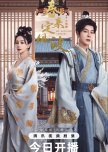
Finally ML got leading role
“My Destined Consort” surprised me more than I expected. Like many short Chinese dramas, it moves quickly, but somehow still manages to pull viewers into the emotional tension between the leads. The pacing is fast, dramatic, and addictive — the kind of drama where you tell yourself “just one more episode” and suddenly you’ve watched twenty.What I enjoyed most was the chemistry between the main characters. Even in shorter scenes, their expressions and tension carried a lot of emotion. The male lead had that cold but secretly devoted personality that Chinese dramas do so well, while the female lead balanced vulnerability with strength. Their relationship felt chaotic, emotional, and strangely comforting at the same time.
The drama also did a good job with cliffhangers. Almost every episode ended in a way that made it hard to stop watching. While some moments were overly dramatic or rushed, that’s honestly part of the charm of short dramas. They’re meant to pull you into a whirlwind of revenge, love, misunderstandings, jealousy, and redemption.
Visually, the costumes and settings were beautiful and helped create that elegant historical atmosphere. I especially liked how the emotional scenes were filmed — the close-up expressions made certain moments hit harder than expected.
That said, the story could have benefited from more character development and slower emotional buildup. Some conflicts were resolved too quickly, and a few side characters felt underused. But overall, if you enjoy intense romance, palace tension, possessive male leads, emotional misunderstandings, and binge-worthy drama, “My Destined Consort” is definitely entertaining.
It’s dramatic, messy, emotional, and addicting in the best way — exactly what many short Chinese dramas are loved for.
Was this review helpful to you?

Enjoyable
“A Camellia Romance was such a soft but emotional short drama. What made it stand out was how it balanced romance, longing, misunderstandings, and quiet devotion without making the story feel too heavy or dragged out. Even though the episodes were short, the emotions between the characters felt genuine and strong.The chemistry between the leads carried the entire drama beautifully. Their relationship felt natural, especially in the smaller moments — the lingering looks, hidden concern, jealousy, and silent sacrifices. Those little details made the romance feel more intimate and believable. The female lead had a gentle strength to her, while the male lead carried that cold but deeply devoted personality that Chinese romance dramas do so well.
Visually, the drama was also very pretty. The soft lighting, traditional-inspired settings, and calm atmosphere matched the title perfectly. Like a camellia flower, the romance felt elegant on the surface while hiding deep emotions underneath.
What I liked most was that the story did not rely only on dramatic misunderstandings or endless toxicity. Beneath all the tension, there was sincerity and real affection between the characters. The emotional scenes were touching without feeling overly exaggerated.
Overall, A Camellia Romance is a beautiful short drama for people who enjoy emotional love stories with longing, tenderness, and visually pleasing scenes. It may be short in length, but it leaves behind a warm and bittersweet feeling after finishing it.”
Was this review helpful to you?
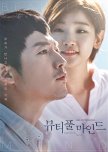
Too bad ML is good actor
Beautiful Mind was one of those dramas that slowly pulls you in emotionally. At first, Lee Young Oh seemed cold, distant, and almost incapable of understanding human feelings because of his condition, but as the story continued you could see how deeply broken and lonely he truly was. What made the drama beautiful was not loud romance or overdone scenes, but the quiet way people slowly changed him through kindness, trust, and love.Jang Hyuk played the role amazingly. His expressions, voice, and even the way he looked at people made the character feel real and heartbreaking. You could feel his struggle between logic and emotions, especially when he began learning what it meant to care for others. Park So Dam’s character brought warmth and humanity into the story, balancing his darkness perfectly.
The drama also did a good job mixing medical suspense, mystery, and emotional healing together. Some scenes were tense and painful, while others were unexpectedly touching. It showed that even someone who struggles to understand emotions can still long for connection and acceptance.
Overall, Beautiful Mind is an underrated Korean drama that deserves more attention. It is emotional, intelligent, and deeply human. By the end, it leaves you thinking about loneliness, forgiveness, and how love can slowly awaken parts of a person that were thought to be lost forever.”
Was this review helpful to you?
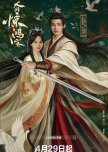
Good for Short Drama
A Lover in the Mortal World was one of those dramas that slowly pulls you into its world and then refuses to let go. From the beautiful cinematography to the emotional storytelling, the drama balanced romance, war, sacrifice, and loyalty in a way that felt both heartbreaking and meaningful.What I loved most was the relationship between Han Yunling and Xiao Chi. Their love was not childish or rushed. It was built through trust, shared pain, danger, and standing beside each other during chaos and war. Even in their quiet moments, you could feel how deeply connected they were. Their chemistry felt natural and emotional instead of forced.
Han Yunling was such a strong female lead. She was intelligent, calm, compassionate, and carried the heavy burden of restoring her family’s name while hiding her own pain. Xiao Chi, beneath his strength and title as a general, showed loyalty, tenderness, and emotional depth that made his character even more attractive. Together they felt like equals fighting against fate and political schemes.
The drama also did an excellent job showing how power struggles and hidden truths can destroy innocent people. Every victory came with sacrifice, and many scenes carried a feeling of sadness even during happy moments because you knew danger was always waiting around the corner.
Visually, the drama was beautiful. The costumes, battle scenes, lighting, and emotional close-ups made many scenes feel almost poetic. The soundtrack added even more emotion and made several moments unforgettable.
What made this drama stand out was how emotional and human it felt. It wasn’t only about romance — it was about surviving betrayal, protecting the people you love, and trying to hold onto kindness in a cruel world.
By the end, A Lover in the Mortal World left a lingering sadness and warmth at the same time. It’s the kind of drama that makes you miss the characters after it’s over and keeps certain scenes replaying in your mind long afterward.
Was this review helpful to you?
Well written script
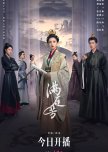
Luminosity Behind the Palace” (2025) was one of those dramas that slowly pulls you in until you realize you are emotionally attached to every character and every moment inside the palace walls. The storyline balanced power, loyalty, love, betrayal, and sacrifice in a way that kept the drama meaningful instead of overly exaggerated. The cinematography, costumes, and emotional acting made the palace atmosphere feel both beautiful and suffocating at the same time.What touched me the most was the death of the emperor. That scene was done with such quiet emotion and dignity that it became one of the most heartbreaking moments in the entire drama. Even with all misunderstanding about him, seeing the end of his journey and the emotions surrounding him felt deeply human and painful. It was one of those scenes that stays with you after the episode ends.
The final episode ended just right. It did not feel rushed or overly dramatic simply for shock value. Instead, it gave closure to the characters while still leaving behind the emotional weight of everything they endured. The ending felt mature, emotional, and satisfying — the kind of finale that reminds you why historical Chinese dramas can be so unforgettable.
Was this review helpful to you?
Elegant, emotional, and worth every episode.
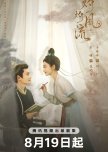
What made this story stand out for me was Mu Zhuohua. She wasn’t written as a helpless female lead waiting to be saved—she was intelligent, bold, and determined to make her own place in a world that constantly tried to limit her. Watching her fight to become a female official, despite the rules and expectations placed on women, gave the drama real strength. Her character felt refreshing and grounded, and her growth carried the story beautifully. Many viewers also praised her as a clever, honest heroine who truly showed her intelligence rather than just being called “smart.”The relationship between Mu Zhuohua and Prince Liu Yan was another reason this drama worked so well. Their romance wasn’t rushed or overly dramatic—it was mature, slow-burning, and built on respect. Feng Shaofeng gave Liu Yan a calm, dignified presence, while Jing Tian brought warmth and wit to Zhuohua. Their chemistry felt natural, not loud, and that made it more believable. It was a romance shaped by trust, not just passion. Reviewers often noted that the drama balanced palace politics with romance instead of relying on fluffy love scenes alone.
The palace politics and power struggles added depth, especially in the second half. There were twists, betrayals, and enough intrigue to keep things interesting without losing sight of the emotional core. Some parts did feel slower, and the ending left me wishing Zhuohua herself had played an even bigger role in the final victory, but it was still satisfying overall. That seems to be a common feeling among viewers—the story was strong, though the final payoff could have given the female lead even more power.
Overall, The Legend of Zhuohua is not a flashy idol drama or a sweet fairytale romance. It is a more mature historical drama about ambition, sacrifice, dignity, and love that grows quietly but deeply. It reminds you that sometimes the strongest love stories are the ones built on understanding rather than obsession.
Was this review helpful to you?
Hot Kissing
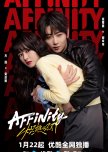
Affinity was one of those short Chinese dramas that pulls you in even when you know it’s full of red flags 🚩 and somehow you still can’t stop watching.What made this drama stand out was the mix of dark romance, science fiction, and obsession. Xie Xinxu and Wu Nongyu’s relationship was never soft or simple—it was intense, dangerous, and built on this strange biological pull caused by the A and B virus connection. Instead of a typical sweet romance, it gave us something darker: love mixed with control, fear, desire, and emotional healing. That made it addictive to watch. The drama follows Wu Nongyu, a graduate student in bio-genetic engineering, and Xie Xinxu, a man with antisocial tendencies who becomes obsessively drawn to her, with their bond tied to mysterious viruses and genetic attraction.
Cui Yuxin played the male lead perfectly—cold, possessive, and unsettling, but still carrying moments where you could see the loneliness underneath. Fang Jin balanced that well by making Wu Nongyu feel like more than just the girl being chased; she had strength, intelligence, and the determination to fight against fate instead of simply accepting it.
Visually, the drama had a strong atmosphere. The dark academic style, haunting music, and suspenseful pacing gave everything a dangerous, almost hypnotic feeling. It felt less like a normal romance and more like watching two people trapped inside something neither of them fully understood.
Of course, logic is not this drama’s strongest point. If you go in expecting realistic science or a healthy love story, this is not it. But if you enjoy obsessive male leads, psychological tension, and “this is toxic but I need one more episode” energy, Affinity absolutely delivers. Many viewers described it exactly that way—“toxic but addictive” and a guilty pleasure binge. ()
Overall, Affinity is messy, intense, and unforgettable. It’s not a perfect drama, but it knows exactly what kind of story it wants to tell—and for fans of dark romance, that makes it worth the watch.
Was this review helpful to you?
Good Storyline
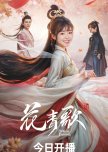
Different Princess is one of those dramas that surprises you when you go in expecting something light and simple, only to end up emotionally invested. At first glance, it feels like another “author falls into her own novel” story, but it quickly becomes much more entertaining because of its strong character chemistry, mystery twists, and the balance between comedy and emotional depth.The story follows Hua Qing Ge, a web novel writer who suddenly finds herself trapped inside the world of her own historical novel after readers criticize her tragic ending. Instead of being the powerful heroine, she becomes a side character destined for disaster. What makes the drama fun is watching her try to outsmart her own plot while realizing that stories—and people—don’t always follow the script she wrote.
The strongest part of the drama is definitely the relationship between Hua Qing Ge and Ji Chu. Their romance is a slow burn, full of teasing, suspicion, and emotional tension. Ji Chu carries a darker and more complex energy than the usual male lead. He starts as someone cold and dangerous, driven by revenge, but gradually reveals his loneliness and desire for real affection. His performance gives the drama much of its emotional weight. Hua Qing Ge brings humor and chaotic energy that keeps the story lively, and their chemistry makes even the ridiculous moments believable. ()
Another thing the drama does well is pacing. Many transmigration dramas get stuck repeating the same “I must follow the original plot” problem for too long, but Different Princess moves faster. The story shifts early, allowing the mystery and side characters to become more interesting. Even the secondary couples have enough emotional pull to keep viewers invested. Reddit viewers especially praised the twists, the bickering-lovers dynamic, and how engaging the mystery remained through the middle episodes. ()
That said, the drama is not perfect. The female lead can feel overly immature at times, and some viewers found her decisions frustrating. The ending also leaves mixed feelings—it is not terrible, but it feels rushed and slightly underwhelming after such strong emotional buildup. Many fans felt that one extra episode would have created a much more satisfying conclusion. ()
Overall, Different Princess is not a grand masterpiece, but it is absolutely an enjoyable watch. It is funny, romantic, dramatic, and surprisingly heartfelt. If you enjoy historical fantasy dramas with playful female leads, dangerous princes, strong chemistry, and a little “fixing your own mistakes” chaos, this drama is worth your time.
My Rating: 8.5/10
It may not be perfect, but it is charming, addictive, and one of those dramas that keeps you saying, “just one more episode.”
Was this review helpful to you?
Reborn with misunderstanding
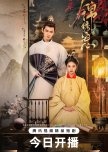
Some dramas entertain you for a moment, and some quietly stay with you after the last episode ends. Threads of Destiny is one of those dramas for me.At first glance, it looks like another rebirth-and-marriage C-drama: two sisters, a swapped marriage, household schemes, jealous rivals, and a husband who seems careless on the surface. But what makes this story stand out is how much heart it carries beneath all the palace-style politics.
The story follows Jiang Xueying, played by Zhu Lilan, the eldest daughter of the Jiang family, who is reborn along with her younger sister Jiang Yu’er. Instead of repeating her old mistakes, she changes her fate by switching marriages and stepping into a dangerous world filled with manipulation, hidden enemies, and survival games inside the household. ()
What I loved most was that Jiang Xueying was not written as a loud, reckless heroine. She was patient, intelligent, and strategic. She fought with her mind, not just her emotions. Watching her slowly reshape her destiny felt satisfying instead of rushed.
Qin Tianyu as Lu Junxing brought surprising depth to the male lead. He starts off looking like the typical spoiled heir, but his growth felt natural. Their relationship didn’t rely on cheap misunderstandings for too long—it gradually became a true partnership, and that made the romance far more rewarding.
What really gave this drama weight, though, was the darker side stories. The women around them—especially characters like Su Wanrong, Liu Rumei, and Lin Yuejian—showed how cruel the feudal system could be. Their tragedies reminded us that not every woman in these stories gets a second chance. Some are simply crushed by the world they were born into. That part made the ending bittersweet instead of simply “happy ever after.” ()
At only 26 episodes, the pacing felt sharp and didn’t drag, which is rare for many revenge-and-rebirth dramas. Yes, there were melodramatic moments, but they served the emotional tension instead of ruining it. It’s a short drama, but it feels fuller than many longer productions. ()
For me, Threads of Destiny is not just about romance—it is about survival,
Was this review helpful to you?
Writers really dropped the ball
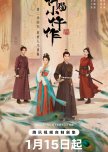
To be honest, the writers really dropped the ball with this second season.Season 1 of The Imperial Coroner was engaging, well-paced, and full of clever storytelling that kept me hooked. Going into Season 2, I had high expectations—but unfortunately, the storyline felt rushed and not as thoughtfully put together.
I will say, the director did a solid job. The scenes were well executed, and the locations—though familiar from other dramas—still looked beautiful and worked well visually. That part didn’t disappoint.
However, the biggest issue for me was the direction of the story. This drama is supposed to center on the female lead as the first female coroner during the Tang Dynasty, yet Season 2 shifts too much focus onto the male lead. It takes away from what originally made the story unique.
Another choice that didn’t sit right with me was the three-year time jump. It felt unnecessary—honestly, a one-year gap would have made more sense and kept the emotional continuity stronger.
What I really missed was the investigative aspect. Season 1 had a strong focus on examining bodies and solving crimes through forensic work, but Season 2 moves away from that. Instead, it leans more into political conflicts between cities and kingdoms.
The major cases themselves were interesting in concept but not executed as well as they could have been:
A drug that makes people believe they have a serious illness
Bugs implanted in people as part of a military strategy
Both ideas had potential, but the storytelling around them felt underdeveloped.
As for the characters, the male and female leads do have some sweet moments as a couple, but it doesn’t go much deeper than that. The second male and female leads continue to support the main storyline, mostly assisting the male lead as needed.
One subplot that stood out was the male lead’s older brother, the general, and his quiet feelings for the second female lead’s friend—we get glimpses of this over about seven episodes, which added a bit of emotional interest.
The darker side of the story comes from the second prince of a neighboring kingdom. He’s driven by resentment toward his father and brother and is willing to use anyone to achieve his goal of becoming emperor. His storyline had weight, but again, it felt rushed toward the end.
And that ending… it just didn’t land.
The prince takes his own life, the neighboring kingdom submits to the Tang emperor, the second leads remarry, and the main couple decides to step away for some time. Everything wraps up too quickly, without the emotional payoff it deserved.
Overall, Season 2 had strong visuals and some interesting ideas, but the rushed pacing, lack of focus on the female lead, and weaker storytelling made it a disappointment compared to the first season.
Was this review helpful to you?
Revenge, Misunderstanding and Togetherness
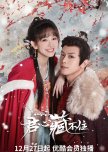
The writer did an excellent job with this storyline—every episode kept me guessing, wondering what would happen next. That sense of suspense is what really pulled me in and made it hard to stop watching.The director handled the scenes with strong execution. Even though some of the sets and locations looked familiar from other dramas I’ve seen, it didn’t take away from the experience. Everything was still visually appealing and well put together.
The story follows Murong Cang, who secretly raises Yun Jiao—the daughter of his enemy—as part of a long-term plan for revenge. What starts as a calculated move slowly turns complicated as he begins to develop real feelings for her. Watching him struggle between his desire for revenge and his growing love added a lot of emotional depth to the story.
I especially enjoyed how the relationship unfolded. It didn’t feel rushed, and you could see the tension building as both characters were caught between power, loyalty, and love.
The ending was satisfying, giving viewers the happy conclusion we were hoping for, with both the male and female leads finally ending up together.
Overall, this was a well-written and engaging short drama that balanced intrigue, emotion, and romance really well.
Was this review helpful to you?


