

 2
2 4
4 1
1 1
1 2
2 1
1 1
1



This review may contain spoilers
Messy, Morally Grey, and Surprisingly Real
I picked up Before We Get Married almost completely on a whim. I was in a drama slump and had spent two days trying my usual K-dramas and C-dramas without anything really clicking. This wasn't even the kind of drama I normally reach for, but I had already shortlisted it for a challenge, and the infidelity tag made me curious enough to finally give it a try. I honestly wasn't sure whether I was going to love it or hate it.Instead, I ended up binge-watching the whole thing.And somehow, despite all the questionable decisions, frustrating characters, messy relationships, and moments where I wanted to yell at basically everyone, I genuinely enjoyed the journey.
When I first saw the title Before We Get Married, I assumed it would be another drama mainly revolving around marriage and the usual relationship problems. It is technically about marriage and relationships, but it approaches them in a much more complicated and uncomfortable way. This isn't really a story about a perfect couple finding love. It's about two people who are already committed to other relationships slowly realizing that the lives they've planned may not actually be the lives they want.
The story begins when Zhou Wei Wei accidentally leaves her diary in Chu Ke Huan's taxi. He reads it while trying to return it and discovers her carefully planned **65-year life plan** with her boyfriend. And from there, everything starts unraveling.
Chu Ke Huan has been in a ten-year relationship with Gao Zi Yuan, but the relationship has long since lost its warmth. They barely communicate, live almost separate lives, and seem to stay together more out of obligation, history, and promises than actual love. Zi Yuan tries to compensate for the lack of emotional connection by controlling almost every aspect of Ke Huan's life, constantly deciding what is best for him without actually asking him what he wants.
Wei Wei's relationship isn't exactly healthy either. Li Hao Yi genuinely loves her, but their relationship has become more about following their carefully constructed future plan than actually living together in the present. Everything has a schedule, a goal, a budget and a box to check. He isn't a bad person, but he is so focused on building their future that he doesn't realize how unhappy Wei Wei has become in the present.
And then Chu Ke Huan walks into her life and completely disrupts that carefully planned future.
I think the biggest reason I enjoyed this drama was the chemistry between the leads.Their relationship is messy, morally questionable and frustrating at times, but the chemistry is so natural that you understand why they are drawn to each other. There are so many scenes where they barely say anything, but their expressions and the way they look at each other practically have an entire conversation.
Jasper Liu was especially good here. Chu Ke Huan is such an expressive character, and I could genuinely feel what he was feeling just by looking at his face. Attraction, frustration, jealousy, amusement, anger, loneliness... he managed to communicate so much without needing dialogue.
I also liked that Ke Huan wasn't presented as some perfect romantic hero. His choices are questionable, and sometimes he absolutely makes things worse. He starts interfering in Wei Wei's relationship partly out of curiosity and partly because he is attracted to her, and honestly, some of his early behavior made me wonder how I was supposed to root for this man.
But the drama gradually gives us more of his perspective. His relationship with Zi Yuan has been emotionally over for a long time, but he is trapped by guilt, obligation and a promise connected to her mother. That doesn't excuse everything he does, but it makes his situation more understandable.
Wei Wei takes much longer to acknowledge what is happening. She has far more to lose because she has spent years building this image of what her life is supposed to look like. She has a stable relationship, a stable future and a carefully planned life, but somewhere along the way she has lost herself inside that plan.
I actually liked that she didn't immediately run toward Ke Huan.
She struggles. She denies her feelings. She tries to convince herself that what she is feeling is temporary and wrong. And even when she knows that her relationship isn't making her happy anymore, leaving isn't easy.That's what made their romance feel more realistic to me.
What I found most interesting was that neither relationship was simply "good couple vs bad couple."
Ke Huan and Zi Yuan's relationship is suffocating, but you can understand why they stayed together for so long.Zi Yuan is extremely controlling, and I found her frustrating to watch. She constantly crosses Ke Huan's boundaries while convincing herself that everything she does is for his own good. She interferes with his career, friendships and personal life, and at times her behavior becomes genuinely uncomfortable.
But I also think the actress did a great job because I never felt like Zi Yuan was simply an evil girlfriend inserted into the story to justify the main couple. Her desperation and insecurity were visible underneath everything. She desperately wanted to preserve a relationship that had already emotionally ended.
Wei Wei and Hao Yi were different but equally unhappy.Hao Yi wasn't initially someone I could hate. He was dependable, hardworking and genuinely loved Wei Wei. The problem was that he loved the **future they had planned** more than he understood the person standing beside him.
Their 65-year plan was actually a really interesting metaphor. It looked romantic on paper, but eventually you realize how little room there is for Wei Wei to actually choose anything for herself.
And that's something I really appreciated about the drama. It constantly asks What happens when a life that looks perfect from the outside isn't actually the life you want anymore?
I usually don't enjoy cheating or infidelity storylines, so I was genuinely surprised by how invested I became in this one.The drama doesn't make the situation easy to judge. You're constantly aware that what the leads are doing isn't entirely right, but at the same time, you understand why they are doing it.And that's what made it uncomfortable in a good way.There were definitely moments when I thought, No, absolutely not. Don't do this.And then five episodes later I was somehow rooting for them. It made me question my own opinions about relationships, commitment, obligation and when someone should finally admit that a relationship has already ended emotionally.
The drama doesn't really give you a clean "right" answer. Sometimes people stay because of history. Sometimes they stay because of guilt. Sometimes they stay because they're afraid of hurting someone. And sometimes they stay because admitting that something is over means admitting that years of their life didn't turn out the way they expected.
The office storyline became especially messy toward the end.Actually, so messy that I completely understood why office romances are forbidden in the first place.There were moments when everything became tangled together, with personal relationships affecting professional relationships and vice versa. It wasn't always neat or convenient, but it did feel like the kind of disaster that can happen when people refuse to separate their personal and professional lives.
Some of those plotlines were definitely frustrating and could have been handled better, but I appreciated that the drama didn't suddenly become clean and simple just because the characters had realized their feelings.
The ending was probably the part I had the most mixed feelings about.A part of me wanted a more straightforward romantic payoff after everything these two went through. But another part of me understood why the drama chose not to wrap everything up in a perfect little bow.I actually think the ending fits the overall message.
Wei Wei needs time to figure herself out outside of a relationship. She spent so much of her life following someone else's plan that jumping immediately from Hao Yi to Ke Huan would have felt like she was simply replacing one relationship with another.I liked that she gets the opportunity to stand on her own first.
The ending basically says that if their feelings are genuine, they don't need to rush. They can take time to heal, grow and become better versions of themselves before deciding what comes next.And honestly, that's much more mature than simply giving us a big romantic reunion and pretending everything is magically fixed.
Before We Get Married definitely isn't a drama I'd recommend if you're looking for a fluffy, uncomplicated romance. It is messy, frustrating, morally grey and sometimes downright stressful.But that's also why I enjoyed it.
The story is predictable in some ways and definitely uses a few clichés, but the relationship dynamics, acting and chemistry kept me invested. I liked how flawed everyone was. Nobody was completely innocent, but nobody felt entirely cartoonishly evil either.
Most importantly, it made me think.I started this drama because I was bored and wanted something different, and somehow this random pick ended up pulling me completely out of my drama slump. I laughed, got frustrated, questioned everyone's decisions, rooted for the leads even when I knew I probably shouldn't, and genuinely became invested in their complicated journey.
It's definitely a messy and mature relationship drama, but underneath all that mess, I think it's really about learning when a relationship has stopped being right for you, finding the courage to choose yourself, and understanding that sometimes loving someone doesn't mean you have to immediately choose them.
And for a drama I started almost entirely on a whim, I ended up enjoying it far more than I expected.
Was this review helpful to you?

This review may contain spoilers
Where Love and Revenge Wear the Same Face
There is something undeniably entertaining about watching two professional killers fall in love when every instinct tells them not to trust each other. False Face and True Feelings takes a familiar revenge premise and injects it with enough chemistry, tension, and emotional conflict to make it feel far more exciting than expected. I went in thinking it would be another forgettable revenge mini-drama, but it completely exceeded my expectations.At first glance, the story sounds like something we've seen many times before. A woman approaches a dangerous mafia assassin under a false identity, planning to seduce him as part of an elaborate revenge scheme. Hidden identities, childhood connections, betrayal, spies, revenge, and enemies-to-lovers are hardly new ideas. Yet the drama blends all of them into a fast-paced thriller where every episode raises the stakes instead of repeating the same misunderstandings.
What surprised me most was how smart both leads were.
Neither the male lead nor the female lead exists simply to move the plot forward by making foolish decisions. They react according to the information they have, question each other's motives, and constantly test the fragile trust developing between them. Their misunderstandings never drag on for unnecessary episodes, making the story feel refreshing despite its familiar setup.
The relationship is built on uncertainty from the very beginning.
They're lovers, enemies, allies, and targets all at once. Every interaction carries an underlying question of whether the other person is telling the truth or setting another trap. That constant tension makes even their quieter conversations feel exciting because affection and suspicion exist side by side.
Han Dong Lin absolutely owns the role of the male lead. He's ruthless, calculating, and frighteningly efficient when dealing with his enemies, yet completely different whenever the female lead is involved. What I enjoyed most was that his softer side never weakened his character. He remains intelligent, manipulative, and dangerous throughout the drama, but beneath that cold exterior is someone capable of loving with complete devotion. Watching those two sides constantly clash made him one of the most compelling parts of the series.
Cui Yi Liang was equally impressive. The female lead is far from a helpless heroine waiting to be rescued. She can fight, plan, deceive, and survive just as well as the male lead. Their relationship never feels one-sided because they're constantly matching each other's intelligence and determination. They challenge one another instead of simply protecting each other, which makes their partnership much more satisfying.
The chemistry between Han Dong Lin and Cui Yi Liang is honestly the drama's biggest strength. Whether they're fighting, arguing, sharing quiet moments, or staring at each other across a room, the tension is impossible to ignore. Their romantic scenes feel natural, but even ordinary conversations carry an intensity that makes you believe these two people are completely consumed by one another. The emotional and physical chemistry is equally convincing, turning every reunion and confrontation into something memorable.
For a mini-drama, the action is surprisingly solid. The fight scenes are energetic, the mafia atmosphere gives the story a darker edge, and the pacing rarely slows down. Every episode feels like it's pushing the story forward rather than filling time, making it incredibly easy to binge.
The romance is tragic from the beginning because both characters know that love is the one thing neither of them can afford. Revenge, loyalty, betrayal, and duty constantly pull them in opposite directions, forcing them to question whether trust is even possible in a world built on lies. That emotional conflict gives the drama more weight than its short runtime would suggest.
Is the story completely original? No.
Most of its ideas have appeared in other revenge romances before. But execution matters more than originality, and False Face and True Feelings executes those familiar ideas exceptionally well. Strong acting, sizzling chemistry, capable protagonists, fast pacing, and a romance built on danger make it an incredibly entertaining watch from beginning to end.
If you're looking for a mini-drama filled with assassins, spies, mafia politics, revenge, enemies-to-lovers romance, and two leads who are equally dangerous and equally obsessed with each other, False Face and True Feelings delivers exactly that. It's thrilling, emotional, surprisingly well-acted, and proof that sometimes great chemistry is enough to elevate even the most familiar story.
Was this review helpful to you?

This review may contain spoilers
Familiar Story, Exceptional Execution
Key to the Phoenix Heart is one of those dramas that proves a familiar premise can still feel fresh when it's backed by thoughtful writing. On paper, it has everything we've seen before: an arranged marriage, a feared general, court politics, hidden identities, family conspiracies, military reform, and a love triangle. None of these ideas are particularly new, but the execution is what makes the drama stand out. Rather than relying on shocking twists or melodrama, it builds its story through strong characters, meaningful relationships, and political conflicts where every decision has lasting consequences.The story wastes very little time. Across just twenty-eight episodes, it manages to weave together military corruption, succession disputes, concealed identities, mechanical inventions, political factions, family tragedies, and revenge into one cohesive narrative. The pacing is undeniably fast, and there are moments where another two or three episodes would have allowed certain emotional scenes and political developments to breathe. Some character decisions happen rather quickly, and a few plot points are explained instead of fully explored. Even so, the story never feels incoherent. Every revelation connects back to something established earlier, alliances constantly shift for understandable reasons, and characters remain consistent with the people they have been written to be.
One of the biggest strengths of the drama is its cast of characters. There isn't a single major character who feels like they exist simply to create unnecessary misunderstandings or artificial conflict. Everyone has a purpose within the story, whether they are central to the political struggle or quietly supporting it from the background. That is something historical dramas often struggle with, but Key to the Phoenix Heart handles remarkably well.
The relationship between the three main characters was probably my favorite part of the entire drama. Instead of creating a conventional love triangle where two men simply compete for one woman's affection, the story intertwines romance with politics, loyalty, and duty. Their relationships are shaped just as much by their responsibilities and life choices as by their feelings. Every decision they make affects not only themselves but the future of everyone around them, making their dynamic far more compelling than a typical romantic rivalry.
Xiao Wuyi is undoubtedly the heart of the drama. Hou Minghao delivers one of his strongest performances to date, portraying a man feared throughout the kingdom as the infamous Demon General. Beneath that intimidating reputation, however, is someone carrying enormous grief, responsibility, and quiet compassion. He rarely asks others to understand him and almost expects to be misunderstood. Some of his strongest scenes are also his quietest, where tiny expressions reveal far more than dialogue ever could. He is ruthless when necessary, deeply loyal to those he loves, and never seeks recognition for doing the right thing. That balance makes him one of the most memorable historical male leads I've watched recently.
Jiayu was another pleasant surprise. Instead of existing solely as the general's love interest, she has genuine importance within the political narrative. Her knowledge of engineering, weapons, and military equipment gives her meaningful contributions throughout the story, allowing her to solve problems through intelligence rather than luck. She is mischievous, confident, and endlessly entertaining without ever becoming immature. Ai Mi did an excellent job bringing both warmth and determination to the role, and I was genuinely impressed by how naturally she held her own alongside a much more experienced cast.
One aspect I appreciated was how the drama handled Xiao Wuyi's two previous wives. The moment I learned he already had two wives before marrying Jiayu, I immediately assumed this would become another unnecessary harem storyline. Thankfully, that wasn't the case at all. Both women exist for very specific narrative reasons and have their own meaningful character arcs. Neither relationship is romantic, and both women become important contributors to the overall story rather than simply existing to create jealousy. It completely subverted my expectations in the best possible way.
That same level of care extends to the supporting cast. Xiao Wuyi's guards are exactly what elite military guards should be. They are competent, dependable, and never suddenly become incompetent just so the plot can happen. They protect their general, contribute to important missions, and remain valuable throughout the story. Jiayu's maid also avoids the common servant trope of constantly creating unnecessary problems. Even when she isn't central to the plot, she always serves a meaningful purpose.
The second male lead's sister also deserves special mention. She is one of those characters you constantly switch between disliking and sympathizing with. Everything she does comes from her determination to secure her brother's future, even when those choices are morally questionable. Her relationship with the Eagle King was something I genuinely wanted to see explored even further because their scenes together carried so much emotional weight.
The romance itself is probably the drama's weakest aspect, though not because it lacks chemistry. On the contrary, the leads have wonderful chemistry built on trust, admiration, and friendship. Their playful bickering is genuinely funny, and watching them slowly become each other's safe place is incredibly satisfying. I simply wish the romance had been allowed to express itself a little more openly. The emotional connection between them is beautiful, but after everything they endure together, I expected slightly stronger emotional payoff. Even so, I appreciated that their relationship was built on mutual respect rather than grand romantic gestures. Sometimes that kind of quiet companionship feels more genuine than endless declarations of love.
Visually, the drama consistently impressed me. The battle scenes looked far better than I expected given the production scale, and the opening sequence involving real fire remains one of my favorite openings in a historical drama this year. The costumes were beautiful, the cinematography maintained a cinematic quality throughout, and the soundtrack was excellent enough that I never skipped the opening credits.
I especially liked Hou Minghao's styling. The slightly curly hairstyle suited him perfectly and gave Xiao Wuyi a distinctive appearance that separated him from many other historical male leads. Ai Mi's styling, makeup, and costumes were equally beautiful and complemented her energetic personality. Ironically, the makeup department did a better job with her than with Hou Minghao, whose makeup occasionally looked heavier than necessary. The child actor portraying young Xiao Wuyi also deserves praise because he perfectly captured the emotional foundation of the character.
What ultimately stayed with me wasn't any single romance or political scheme but how well every character fit into the larger story. Nobody felt wasted. Every ally, enemy, servant, soldier, and family member had a role to play, and every storyline contributed to the bigger picture. That's one of the clearest signs of strong writing.
Overall, Key to the Phoenix Heart may begin with a predictable setup, but it transforms familiar ideas into a genuinely engaging historical drama through thoughtful execution, layered characters, and meaningful political storytelling. It isn't perfect, and the compressed pacing occasionally limits its emotional impact, but it never loses sight of its characters or the story it wants to tell. If you enjoy historical dramas driven by politics, loyalty, capable protagonists, strong friendships, and characters whose choices genuinely matter, this is absolutely worth watching.
Was this review helpful to you?
This review may contain spoilers
A Beautiful Glimpse into Kazakh Life
To the Wonder is one of those dramas that feels less like a story and more like a glimpse into someone else's life. More than anything, I watched it for its breathtaking scenery. The vast grasslands, mountains, forests, flower fields, and summer pastures are absolutely beautiful, but the real beauty lies in the simple lives of the people who call this place home.What I loved most was getting a small window into Kazakh culture and traditions. From the language and festivals to the food and nomadic lifestyle, everything felt natural and authentic rather than something put on for the camera. It was refreshing to see a Chinese drama focus on an ethnic minority and show both the beauty of their traditions and the challenges of preserving them in a changing world.
The story itself is quiet and simple. There aren't huge plot twists or over-the-top conflicts. Instead, it follows ordinary people trying to live, love, chase their dreams, and make difficult choices. Every character feels believable because their struggles are so relatable. The romance is gentle and understated. It never tries to steal the spotlight, but grows naturally alongside the characters.
The cinematography deserves special praise. The natural lighting, wide landscapes, and warm colors make every scene feel like a painting. I also appreciated that the drama didn't rely on heavy beauty filters, allowing the scenery and the people to feel real. At times, I genuinely forgot I was watching a drama and felt like I was experiencing a documentary.
It was also nice hearing familiar references to Islamic traditions and festivals like Eid al-Adha. Even though some cultural differences surprised me at first, it was interesting to see how another Muslim community practices its traditions in its own way.
If I had one complaint, it's that the drama is simply too short. This easily could have been a full-length series. I wanted to spend more time with these characters, see more of their lives after the ending, and explore even more of this beautiful world.
To the Wonder isn't a drama you watch for suspense or fast-paced storytelling. You watch it to slow down, appreciate nature, experience another culture, and spend time with characters who feel wonderfully human. By the end, it genuinely made me think that living away from the city, despite its hardships and limited resources, might not be such a bad life after all. It is a quiet, heartfelt, and unforgettable journey.
Was this review helpful to you?
This review may contain spoilers
A Story That Warms Your Heart
Hospital Playlist is one of the warmest and most comforting dramas I have ever watched. It made me laugh, cry, kick my feet, pause scenes just to take in a moment, and hide under my blanket during the romantic scenes. I went through every possible emotion while watching it, and that is rare for me. In fact, this is only the second drama that has ever made me cry.When I first started the drama, I honestly thought it might be boring. The first few episodes take their time introducing a large cast of characters, and it can feel a little overwhelming at first. But once you settle into the story, it becomes incredibly rewarding. You slowly start to care about everyone, from the five main doctors to the residents, nurses, patients, and even the family members who appear for only a short time.
What makes this drama so special is how balanced it is. It blends friendship, family, romance, medicine, music, and everyday life so naturally that nothing ever feels overdone. The medical cases are important, but they never overpower the story. They are used just enough to help us connect with the patients and remind us of the emotional weight doctors carry every day. The hospital feels like a workplace filled with real people rather than a setting for exaggerated life-or-death situations.
The heart of the drama is the friendship between the five doctors. Their bond feels so genuine and effortless. They do not need dramatic speeches to prove how much they care about each other. You can see it in the way they eat together, tease one another, show up when someone is struggling, and simply enjoy each other's company. Their friendship feels lived-in and deeply comforting. It is the kind of relationship that makes you wish you had a group like that in your own life.
I especially loved their band scenes. Watching them practice and perform together added so much warmth to the series. These moments were funny, heartfelt, and often reflected the emotions of each episode. Their singing together was one of the most wholesome parts of the drama and always left me smiling.
The romance in this drama was an unexpected delight. Since romance is not listed as the main genre, I assumed it would barely be there, but I was completely wrong. Every confession, rejection, and slow-burning love story was handled beautifully. None of the relationships felt forced or overly dramatic. They developed naturally, and I found myself more invested in these romances than in many dramas where romance is the central focus. Some scenes genuinely had me smiling, blushing, and hiding under my blanket like I was watching the fluffiest rom-com.
Each character is wonderfully written and portrayed. There is not a single actor who feels out of place. Jo Jung-suk was especially unforgettable as Ik Jun. He brought so much energy, humor, and heart to the role, and his relationship with his son was one of the cutest and most touching parts of the show. But every member of the cast had moments to shine, and each character felt unique and fully realized.
The supporting cast is just as strong as the leads. The residents, nurses, patients, and family members all contribute meaningfully to the story. I even loved the friendship between the hospital director and the mothers. Every character feels like a real person with their own history, struggles, and small joys.
What I appreciated most is how realistic and grounded everything feels. There are no over-the-top villains, no unnecessary power struggles, and no doctors with unrealistic superhuman abilities. The drama finds beauty in ordinary moments. It reminds us that life is not made up only of big milestones but also of small conversations, shared meals, quiet support, and the people who stand by us.
This is not a plot-heavy drama where you are constantly waiting for shocking twists. It is a slice-of-life story that slowly washes over you until these characters feel like old friends. It is comforting, emotional, funny, and deeply human.
By the end, Hospital Playlist left me feeling grateful. Grateful for friendship, for kindness, for music, and for the simple fact that sharing everyday life with the people you love is something truly precious. It is one of the most wholesome dramas I have ever watched and a series I know I will return to whenever I need comfort.
If you are looking for a drama with heart, humor, meaningful relationships, and a story that feels like a warm hug, this is an absolute masterpiece.
Was this review helpful to you?
Healing Without Noise
Summer Strike is one of those dramas that slowly grows on you in a very quiet way (I went into it without even checking the genre properly, just knowing it was a countryside drama, and that definitely shaped my expectations). I was honestly expecting something soft and fluffy, but it turned out to be much more introspective and grounded. It’s not just about romance, it’s about life, choices, burnout, loneliness, and the kind of healing that happens in small, almost invisible ways.The story follows a woman who hits a breaking point and decides to just… stop. She leaves everything behind and moves to a quiet village with no real plan other than to exist and breathe. And honestly, that’s the vibe of the entire drama. Nothing huge happens, but at the same time, everything is happening. It feels very much like real life where you’re not always evolving in big visible ways, but something inside you is slowly shifting.
One thing this drama really made me think about is decision-making. The choices people make in life can look completely different depending on who is watching. Someone might think your decision is ridiculous, while someone else might envy you for having the courage to make it. At the end of the day, every decision is personal and shaped by your circumstances, your emotions, and what you are going through at that moment. And sometimes, it’s not even big events that push you to decide something life-changing. It can be a small conversation, a quiet moment, or a simple action from someone who walks into your life and unknowingly helps everything click into place. That’s what this drama captures so well. Everyone is just going through life, making choices, appreciating some, regretting others, and often feeling anxious about what comes next.
The male lead fits perfectly into this world. He’s quiet, reserved, and carries his own past, and their relationship develops in the most gentle and natural way. There’s no intense, dramatic romance here. It’s soft, awkward, and comforting. Watching them slowly open up to each other feels more like watching two people find peace than fall in love. Their dynamic is very “quiet love”, something steady and safe rather than passionate and overwhelming.
One thing I really appreciated is how the drama treats introverted characters. They’re not shown as weak or lacking, just different. People misunderstand them because they’re quiet, but they stay true to themselves, and that felt very real. As someone who relates to that, it was honestly comforting to watch.
But this drama is not just calm and pretty. It deals with some heavy themes like trauma, loss, mental health, and even crime. That contrast can feel surprising because the tone is so peaceful, yet there’s this underlying darkness. Sometimes the mystery aspect felt a bit distracting from the main emotional core, but it still added another layer to the story.
The side characters are another strong point. The village feels alive, and everyone has their own story. Some of them are warm and comforting, others frustrating and human. Even the characters that annoyed me at times still felt realistic rather than just there to create drama.
The pacing is definitely not for everyone. It’s slow, very slow at times, especially in the beginning. You might feel like nothing is happening, but that’s kind of the point. It’s a drama you have to sit with rather than rush through. If you’re expecting constant plot or big twists, this might feel boring. But if you’re in the right mood, it can feel incredibly peaceful.
At its core, this is a story about stepping away, about choosing yourself, and about finding comfort in the simplest things. It doesn’t try to give you a grand transformation or a dramatic ending. It just shows you life as it is, messy, quiet, sometimes painful, but still worth living.
It’s not a drama for everyone, but if you connect with it, it really stays with you.
Was this review helpful to you?

This review may contain spoilers
Not Overdone, Just Right: A Perfectly Balanced Youth Romance of Childhood Friends
Exclusive Fairytale is one of those dramas that ends up surprising you in the best way. I didn’t go in with high expectations, but I genuinely ended up loving it. It’s a very relaxing and easy watch, the kind of drama you can sit with comfortably without feeling overwhelmed.What really stands out is how well-balanced it is. It gives you everything you expect from a youth drama, but nothing feels overdone. The male lead being a genius is part of his character, but it never becomes his entire personality. Friendships are present at every stage of life, but they are not just fillers, nor do they overshadow the main story. Even the second couple is sweet and enjoyable without taking attention away from the leads. The drama moves through different phases of life naturally, from childhood to high school to adulthood, and it takes the time to show growth instead of rushing through it.
The main couple truly feels like childhood sweethearts. Their relationship never falls into that frustrating trope where characters suddenly act like strangers after getting together. Instead, the drama constantly reminds you through both actions and dialogue that these two have known each other for years. Their bond feels lived-in and genuine. Even though both leads have admirers at different stages of their lives, none of it is used to create unnecessary angst. Confessions, emotional beats, and romantic progression are handled in a very grounded and satisfying way.
The female lead, Xiao Tu, is honestly one of the strongest parts of the drama. She is expressive, funny, and incredibly easy to watch. She balances sweetness with confidence really well. She can be soft and adorable, but also bold, straightforward, and even a bit aggressive when needed. That mix makes her feel very real. Her comedic timing adds so much charm to the show, and she carries a lot of its emotional and lighthearted moments effortlessly.
The male lead, Ling Chao, brings a calm and steady presence. He is not your typical cold, arrogant genius. Instead, he is observant, quietly caring, and emotionally intelligent in his own way. He is introverted, but not socially awkward or dismissive of others. He knows when to speak, when to act, and how to support the people around him. His love is shown through small, consistent actions rather than dramatic declarations, which makes it feel more meaningful.
Their dynamic is what makes the drama so enjoyable. Ling Chao has always been surrounded by admiration, but Xiao Tu is the only one who treats him normally. She sees him for who he is, not what he represents. He, in return, finds comfort in her honesty and simplicity. She doesn’t overthink him, and he doesn’t need to perform around her. That balance is what makes their relationship feel so natural.
The high school portion of the drama is especially enjoyable because it builds up Ling Chao’s feelings in such a subtle way. He rarely expresses his emotions directly, but his actions speak for him. Small moments like wearing matching clothes just to comfort her, eating the carrots she dislikes, or silently fixing problems she creates add so much depth to his character. These little details make the romance feel organic rather than forced.
The supporting characters are also handled well. Xu Ling Long, despite being a love rival, is surprisingly likable. She is honest about her feelings and never turns into a toxic character. On the other hand, Yin Xin Lan represents a more manipulative type, and it’s satisfying to see how clearly Ling Chao recognizes her behavior. The friendships, especially Xiao Tu’s circle, are warm and engaging, and they make the world feel more complete.
Another strong point is the lack of forced drama. There are no unnecessary misunderstandings, no dragged-out conflicts, and no frustrating breakups just for the sake of tension. Even when conflicts arise, they are resolved in a mature and realistic way. The parents’ relationships are also refreshing. They are supportive, warm, and feel like a realistic portrayal of an average Asian household without being overly controlling.
The drama also does a great job showing the transition from school life to adulthood. It touches on how friendships change, how people grow apart or stay connected, and how relationships evolve over time. Nothing feels overly dramatic, but it still feels meaningful.
Overall, this is a very lighthearted, comforting, and well-executed friends-to-lovers story. It doesn’t try to be groundbreaking, but it succeeds in doing what it sets out to do. The chemistry between the leads, the natural progression of their relationship, and the strong sense of familiarity and warmth make it a very satisfying watch.
If you’re looking for something intense or plot-heavy, this might feel too simple. But if you want a sweet, stress-free romance with strong character dynamics and a natural emotional flow, this is definitely worth watching.
Was this review helpful to you?

A Heartwarming Journey That Feels a Bit Rushed
Family by Choice is a warm, character-driven drama that leans heavily into the idea that family isn’t always about blood, but about the people who choose to stay. The story follows three individuals who grow up together under unusual circumstances, forming a bond that feels closer than most biological families. The drama is structured across different life stages childhood, youth, and adulthood which helps in showing how their relationships evolve over time.The strongest aspect of the drama is definitely the family dynamic. The relationship between Kim San Ha, Yun Ju Won, and Kang Hae Jun is the emotional core, and many of their moments together feel comforting and heartfelt. The father figures, especially Ju Won’s dad, truly stand out. His performance brings warmth, stability, and emotional depth that elevates the entire drama. The friendship between the parents also adds a grounded layer, showing how support systems are built through shared struggles.
The acting overall is solid, but one thing that didn’t fully work for me was the teenage phase. I found it a bit hard to believe them as actual teenagers, especially Ju Won. Her mannerisms and delivery felt a bit too mature at times, which made those early years slightly less immersive. San Ha gets some leeway since his character is written as more emotionally reserved and mature, and Hae Jun manages to bring in expressive energy that fits better, but Ju Won’s portrayal in that phase didn’t completely convince me.
When it comes to character arcs, there are both strengths and gaps. San Ha’s quiet pain and internal struggles are present, but not explored deeply enough. His trauma, especially involving his mother, feels like it needed more space and conversation. Similarly, Hae Jun’s storyline with his biological father and parts of his past are introduced but not fully unpacked, which leaves a sense of incompleteness.
The romance is another mixed area. While the main couple does get a happy ending, the shift from a sibling-like bond to romance feels rushed and not entirely convincing. The emotional buildup, particularly from Ju Won’s side, could have been handled with more depth. In contrast, Hae Jun and Dal’s relationship feels more organic. You can see the gradual development of feelings, hesitation, and acceptance, which makes their arc more believable and satisfying.
One thing the drama does well is keeping things relatively clean and focused. It avoids unnecessary love triangles and doesn’t rely on forced drama, which makes it an easier and more pleasant watch. The pacing is generally smooth, and the time jumps feel natural, though the shorter runtime means some slice-of-life moments and deeper emotional beats are sacrificed.
Visually and tonally, the drama is comforting. It balances emotional scenes with lighter, everyday moments, creating a soft and easy viewing experience. The themes of belonging, support, and chosen family come through clearly, and there are definitely moments that hit emotionally, especially those centered around home and parental love.
In conclusion, while Family by Choice stands well on its own as a heartfelt and comforting drama, the comparison with Go Ahead is almost inevitable. The original has the advantage of time and depth, which makes the emotional arcs feel more layered and immersive. That said, this version still has its own charm and is definitely worth watching. If you are primarily a K-drama viewer, you will likely enjoy this take for its pacing and tone. And if you are curious about the story in a more detailed and emotionally expansive form, then Go Ahead is absolutely worth checking out as well.
Personally, I watched this almost 1.5 years after finishing Go Ahead, which really helped me see it with fresh eyes and appreciate it for what it is rather than constantly comparing. Both versions offer something valuable, and honestly, both are worth experiencing in their own way.
Was this review helpful to you?
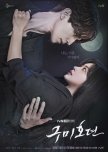
A Story of Love, Loss, and Brotherhood That Outshines Everything Else
Tale of the Nine-Tailed is one of those dramas where the premise pulls you in, but it’s the characters, especially the relationships, that keep you watching. While it presents itself as a fantasy romance, the real emotional core lies in the bond between Lee Yeon and Lee Rang. Their relationship is layered with resentment, guilt, love, and longing, and it evolves in such a raw and heartfelt way that it easily becomes the highlight of the entire story. Every interaction between them carries weight, and their journey from broken brothers to something much deeper is what truly gives the drama its soul.The romance between Lee Yeon and Nam Ji Ah feels more subdued. It has its sweet and loyal moments, and there is a sense of unwavering devotion, but it never quite reaches the same emotional intensity as the brotherly bond. Still, it works in its own quiet way, adding warmth to the story without overpowering it. The side characters, especially Ki Yu Ri and Koo Shin Joo, bring charm and balance, making the world feel more complete and lived-in.
Visually, the drama is stunning. From neon-lit cityscapes to mystical forests and eerie supernatural settings, it creates a strong atmosphere that fits the tone of the story. Even when the CGI isn’t perfect, the overall aesthetic and direction make up for it. There is a certain cinematic quality to the way scenes are framed, which adds to the immersive experience.
The OST is another highlight. It is catchy and used really beautifully throughout the drama. The music blends well with emotional scenes and adds an extra layer to the storytelling without feeling forced.
That said, the plot itself can feel messy at times. The overarching storyline, particularly involving the villain Imoogi, does not always land as strongly as it should. For such a powerful and ancient evil, the execution feels underwhelming, even though his connection to the main leads is interesting. The drama also tends to repeat certain narrative patterns, and some parts in the middle feel stretched or less impactful.
Despite its flaws, the emotional weight of the story carries it through. Themes of love, sacrifice, and longing are handled in a way that still resonates, especially through Lee Rang’s character. His pain, vulnerability, and need to be loved add a depth that elevates the entire drama. The ending, while bittersweet, feels fitting for the kind of story it tells, even if it leaves a lingering ache.
Overall, Tale of the Nine-Tailed is not perfect, but it is memorable where it matters most. If you enjoy character-driven storytelling and emotional depth over a tightly structured plot, this is definitely worth watching.
Was this review helpful to you?

This review may contain spoilers
Flawed Love Chaotic Ride and a Frustrating Grandma
If you are tired of perfect, green flag leads and flawless couples, this drama might be for you. Both the male lead and female lead are deeply flawed, and whether you enjoy the story depends on how much you can tolerate that.The male lead starts off quite strange and even uncomfortable to watch, leaning into obsessive behavior that can feel off putting. However, his character shows strong growth over time and eventually becomes endearing. The female lead is a refreshing change from the typical naive heroine. She is mature, has realistic dreams, and knows what she wants, although her inability to set firm boundaries can be frustrating.
The drama leans more into rom com than pure romance, with the comedy often overshadowing the love story. The central relationship feels like an emotional rollercoaster. One moment you are laughing at them, the next you are annoyed, then somehow rooting for them again. This constant back and forth continues throughout the series.
The plot itself is quite typical. A male lead who falls in love at first sight and pursues the female lead in a way that can feel like stalking, multiple love rivals, and a stretched will they or will they not dynamic. It becomes repetitive toward the end, and the pacing drags even though the outcome feels obvious halfway through.
The side characters are a mix of entertaining and questionable. The workplace setting feels more like a café where people come and go freely rather than a professional environment, but it still manages to stay lively and engaging. However, the biggest issue comes from the grandmother. She spends almost the entire drama trying to separate the leads for reasons that only get explained in the very last episode. Instead of adding depth, her actions feel unnecessarily frustrating and push her straight into the worst guardian category. She constantly interferes without thinking ahead, making her more exhausting than impactful.
Performance wise, Satomi Ishihara delivers a strong and believable performance, balancing both emotional and comedic scenes effortlessly. Tomohisa Yamashita plays the robotic and emotionally restrained male lead very well, managing to convey a lot through subtle expressions.
There are also technical drawbacks. The English dialogue can feel awkward, especially for native speakers, as the accents and delivery do not always land naturally. While the drama includes some cute and enjoyable clichés, the chemistry between the leads may not work for everyone.
In the end, the drama delivers a cheesy but warm conclusion, even if it may not feel fully earned after all the conflict. It is entertaining overall, though frustrating and repetitive at times, and while it is enjoyable to watch once, it may not be something worth revisiting.
Was this review helpful to you?
This review may contain spoilers
Simple Story, Strong Emotions
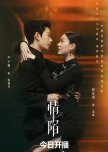
The story follows two past lovers who are separated because of betrayal, with the female lead being involved in the death of the male lead’s father. When he returns years later, more powerful and driven by revenge, their paths cross again but the feelings between them are still very much there. The setup sounds intense, but the drama focuses more on emotions than plot twists.The plot itself is pretty simple and honestly quite predictable. Most of the twists are easy to guess, and the main villain never really feels like a real threat. There are conflicts, but nothing that makes you stressed or worried for the characters. Even the big issue between the leads gets resolved in a convenient way. So if you are looking for a strong storyline, this might feel a bit underwhelming.
What really makes this drama worth watching is the male lead, played by Zi Xian. He completely carries the show. His screen presence is strong, and he is very expressive, especially with his eyes. Whether it is anger, heartbreak, or soft affection, he makes it feel real. His gaze and the way he delivers emotional scenes really stand out, and honestly, he is the main reason the drama stays engaging.
The second male lead was a nice surprise. He actually manages to match that energy and does not feel overshadowed. He brings a lot of charm and feels very natural on screen, so I would not be surprised to see more of him in future dramas.
The female leads were decent. They were not outstanding, but they did their job well and never felt annoying or out of place. The main focus stays on the leads’ relationship anyway, so it works out fine.
The chemistry between the main couple is really good. You can feel the longing, the history, and the unresolved emotions between them. Some scenes are genuinely heartbreaking, especially when love and resentment collide. I also liked how both characters were willing to sacrifice everything for each other, which made their relationship feel more intense.
Visually, the drama is quite nice. The costumes, setting, and overall aesthetic fit the mood well, and the OST adds to the emotional scenes.
The ending was satisfying, which is always a plus for short dramas. It wraps things up clearly without dragging or feeling incomplete.
Overall, it is not a plot-heavy drama, but it works because of the emotions, chemistry, and especially the male lead’s performance. If you enjoy intense romance with longing and a good visual vibe, this is an easy watch.
Was this review helpful to you?
All Over the Place and Hard to Follow
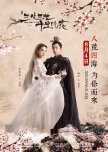
As a stand-alone film, this movie struggles heavily with storytelling. The narrative feels choppy and often incoherent, with little connection between scenes or character actions. Many moments seem to jump from one point to another without proper buildup, leaving the viewer confused about what is happening and why. For someone unfamiliar with the original story, the film can feel disorienting and, at times, frustrating to follow.The pacing adds to this problem. Some scenes are stretched out unnecessarily, while others pass by so quickly that you barely have time to process them. This uneven pacing creates a scattered viewing experience where important moments don’t get the attention they need, while less significant scenes are given too much time.
I also found myself questioning certain directorial choices. Some scenes, like extended introductions or visual sequences, do not add much value to the story and instead take away time that could have been used to develop the plot more clearly. On top of that, the CGI throughout the film is noticeably weak, which further affects immersion.
Overall, the movie feels disconnected and poorly structured. With better editing, tighter storytelling, and improved pacing, it could have been much more engaging. As it stands, it’s a disappointing watch, especially for viewers expecting a coherent and well-executed narrative.
Was this review helpful to you?
Romance Is a Bonus, but Friendship Is the Heart
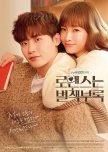
This drama tells a story about ordinary people living ordinary lives in ordinary circumstances, but what makes it special is the extraordinary relationship between the main leads. The ML and FL share a 20-year friendship, and what I loved most is that neither of them wanted to ruin that friendship just because of romance.The story follows the FL, who has recently gone through a difficult divorce and is trying to rebuild her life. After being away from the workforce for years, she struggles to re-enter the industry and repeatedly fails. Meanwhile, the ML is a successful author and the youngest chief editor at a publishing company. Eventually, the FL manages to get a job at the same publishing company by lying on her resume, and that’s where her journey of rebuilding her life truly begins.
One thing I appreciated about this drama is that it has what I would call a mature love triangle… or maybe even a love rectangle. However, unlike many dramas, none of the characters become annoying or frustrating enough to make you want to skip their scenes. Every character feels human, and the story slowly unfolds their personalities and struggles in a very natural and grounded way. Credit definitely goes to the writer and screenwriter for creating such believable characters.
Some people say that the ML is a coward, but I personally disagree. To me, he felt like a gentle and emotionally mature person. He knew that his feelings were one-sided and that the FL didn’t see him romantically, so he chose not to risk ruining their long friendship. Instead, he patiently stayed by her side, even if it meant watching her love someone else. When the FL finally began to see him differently, he didn’t hold back anymore. Considering the history and depth of their friendship, his behavior felt completely understandable to me.
The overall tone of the drama is very gentle, and it is told in a calm, comforting way. Watching it actually made me realize how overstimulating many modern dramas have become with constant twists and exaggerated drama. This show is the opposite. It allows your mind to relax while still keeping you engaged, which is honestly refreshing.
If there is one thing I wish had been explored more, it would be the FL’s background, especially her life as a mother. We know she has a daughter, but the drama only shows them interacting a few times in the beginning. I would have liked to see more of that emotional side of her life.
Another highlight of the drama for me was the workplace environment. The publishing company and the atmosphere between the employees felt warm and welcoming. Watching the team slowly grow closer and support each other was honestly one of the most enjoyable parts of the show.
This is also one of those dramas where the writing itself stands out. The plot isn’t overly dramatic or filled with shocking twists, but the consistency and quality of the script make it very engaging. Maintaining that level of storytelling across 16 episodes is not easy, and it shows the strength of the writing. Instead of relying on unrealistic drama tropes, the show focuses on realistic relationships and personal growth.
The publishing industry was portrayed in an interesting way as well. Of course, parts of it were somewhat romanticized, but the drama also touched on some of the harsher realities of the industry.
What I liked most about the story structure is how neatly everything comes together. There are no unnecessary plotlines or dragged-out conflicts. The story progresses naturally, and everything builds up gradually until it falls into place in a satisfying way. It’s the kind of drama that makes you feel comfortable rather than stressed while watching it.
The characters are another strong point. Not only were they perfectly cast, but every character had their own development and emotional journey. Even the supporting characters were charming and memorable in their own ways. Their friendships and their willingness to support each other created many heartwarming moments throughout the drama.
One thing that stood out to me was how the main characters behaved like actual mature adults. Their conflicts were not created by ridiculous misunderstandings or random plot twists, which is something that usually frustrates me in dramas. Instead, they communicated, respected each other, and made decisions that were consistent with their personalities.
The female lead deserves special mention. She is written as someone who is strong, kind, patient, and resilient, and her journey of rebuilding her life is genuinely inspiring. Her character is portrayed with a lot of grace, which made her very easy to root for.
The main couple also had a very natural chemistry. Their relationship felt warm and genuine without ever becoming overly dramatic or exaggerated.
Even though I’m usually not someone who rewatches dramas, this is one of those shows I would definitely return to if I wanted something comforting to watch. It has the kind of story that lifts your mood while still feeling meaningful.
Another unique element that I absolutely loved was the outros at the end of each episode. They feature character monologues combined with beautiful quotes, and they often give deeper insight into the characters’ thoughts and emotions. I found myself watching them very carefully every time because they added an extra emotional layer to the story. Honestly, those heartwarming outros alone make the drama worth revisiting.
Overall, Romance Is a Bonus Book is a drama that doesn’t rely on intense drama or flashy storytelling. Instead, it focuses on warm relationships, personal growth, and the quiet beauty of everyday life. It may not have a groundbreaking plot, but the comforting atmosphere, well-written characters, and thoughtful storytelling make it a very enjoyable watch.
For me, this drama is a solid 8/10, and I would even add an extra +0.5 just for the beautiful outros. It’s definitely the kind of drama that stays with you and makes you want to watch it again someday.
Was this review helpful to you?

A Soft and Nostalgic Story That Grows With You
The story itself is simple and mellow, without heavy drama or shocking twists, but that is exactly its strength. It focuses on growing up, changing as people, and learning how to love properly. It may not be the most original story, but it becomes memorable because of its emotional sincerity and lovable characters.What makes the drama special is how the relationship evolves over time. When they were young, Xiaoxi was always the one chasing Jiang Chen, confessing openly and fearlessly. But as they grow older, the roles slowly reverse, and Jiang Chen becomes the one holding on and expressing what he could never say before. That emotional shift makes their love feel real and earned rather than forced.
Hu Yitian did a great job portraying Jiang Chen. His cold, quiet, and emotionally reserved personality made sense for the character. He was never truly uncaring, just someone who struggled to express himself. His character development was subtle but meaningful, and seeing him slowly open up was one of the most satisfying parts of the story.
Shen Yue made Chen Xiaoxi charming and lovable despite her flaws. She was cheerful, clumsy, and sometimes overly focused on Jiang Chen, which could feel frustrating at times. But she brought warmth and emotional life to the character, and her growth into someone more mature and independent was handled nicely.
The friend group is one of the strongest aspects of the drama. Their friendship feels natural, supportive, and genuine. Characters like Wu Bosong, Lu Yang, and Lin Jinxiao added emotional depth and balance to the story. Their individual struggles and growth made the world feel complete, not just centered around the main couple.
The drama starts off light, funny, and fast paced, which makes it easy to get attached. However, the later episodes slow down significantly, and some parts feel dragged out. The reintroduction of certain romantic tensions later on felt unnecessary, especially when the emotional resolution was already clear. Despite that, the emotional payoff and character closure make the journey worth it.
Overall, this drama stands out not because of complex plot, but because of how naturally it portrays youth, love, and growing up. It is the kind of story that stays with you quietly and becomes even more meaningful when you look back on it.
Rating: 8.5/10
A simple, heartfelt drama that proves sometimes the quietest stories leave the strongest impact.
Was this review helpful to you?
A Soft and Nostalgic Story That Grows With You
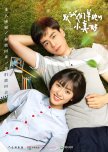
The story itself is simple and mellow, without heavy drama or shocking twists, but that is exactly its strength. It focuses on growing up, changing as people, and learning how to love properly. It may not be the most original story, but it becomes memorable because of its emotional sincerity and lovable characters.What makes the drama special is how the relationship evolves over time. When they were young, Xiaoxi was always the one chasing Jiang Chen, confessing openly and fearlessly. But as they grow older, the roles slowly reverse, and Jiang Chen becomes the one holding on and expressing what he could never say before. That emotional shift makes their love feel real and earned rather than forced.
Hu Yitian did a great job portraying Jiang Chen. His cold, quiet, and emotionally reserved personality made sense for the character. He was never truly uncaring, just someone who struggled to express himself. His character development was subtle but meaningful, and seeing him slowly open up was one of the most satisfying parts of the story.
Shen Yue made Chen Xiaoxi charming and lovable despite her flaws. She was cheerful, clumsy, and sometimes overly focused on Jiang Chen, which could feel frustrating at times. But she brought warmth and emotional life to the character, and her growth into someone more mature and independent was handled nicely.
The friend group is one of the strongest aspects of the drama. Their friendship feels natural, supportive, and genuine. Characters like Wu Bosong, Lu Yang, and Lin Jinxiao added emotional depth and balance to the story. Their individual struggles and growth made the world feel complete, not just centered around the main couple.
The drama starts off light, funny, and fast paced, which makes it easy to get attached. However, the later episodes slow down significantly, and some parts feel dragged out. The reintroduction of certain romantic tensions later on felt unnecessary, especially when the emotional resolution was already clear. Despite that, the emotional payoff and character closure make the journey worth it.
Overall, this drama stands out not because of complex plot, but because of how naturally it portrays youth, love, and growing up. It is the kind of story that stays with you quietly and becomes even more meaningful when you look back on it.
Rating: 8.5/10
A simple, heartfelt drama that proves sometimes the quietest stories leave the strongest impact.
Was this review helpful to you?


