
 K-Drama
 7
7 13
13 2
2 1
1 5
5 2
2 2
2


This review may contain spoilers
A Drama That Stays With You?
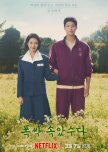
The drama celebrates womanhood- the endless cycle of giving, enduring, and loving despite pain through the life of Ae-sun and people connected to her. Ae-sun is not a perfect woman; she is a real one - fiery, stubborn, full of longing. Her journey from a young girl who wanted to “flip the table” to a woman who finds meaning in sacrifice is portrayed with such truth that you can’t help but see pieces of every woman in her. "The spring rain is lasting a long time. Maybe the spring rain is my mom crying. Maybe she’s crying because I’m getting married like this."
Then we have Yang GwanSik- an ideal husband, hardworking person and "Steelheart" who never expresses his worries and sadness,gulping all in,so that the other family members can hold on to him as the pillar of the family even as the storms of life wear him down. The bruises and callouses of his hardwork on his hands expresses things that words can't even describe."To us, Dad was the sea.We all relied on him to live." While watching the drama I cried a lot. Be it Ae-sun and GwanSik's adulthood where living their dreams clashes with need for food and shelter and responsibility of starting a new family knocks on their door or the children - one burdened with the dreams of their parents- "I swallowed their dreams and spread my wings.
Embracing my mom's dream like a seed in my heart" and the other suffering because of favouritism, ruining his youth.
Yet within that struggle, there is tenderness-The hairpins brought by GwanSik for Aesun, Them buying their new house- "It's the first time I've had my own home.Stupid Home. Even conches and crabs have their own.But I was always the only one without a home."
GwangSik-"I'll buy us a bigger house next time."
Ae-sun-"This already feels like a palace. Now that it's my own."
Her mother reading her poem, GwangSik being the most caring and loyal husband a woman desires- "There was a girl in the boy's life.All his life, the boy kept the girl's world safe." ,Him admiring his wife even in their old age- "Dogs have dogs, and cows have cows right?What about an angel. You said Dong-myeong was an angel. Every night when you sleep, I put in so much effort to keep your back in check. I've been busy trying to push the wings back into your back, so I couldn't even sleep." , the parents selling their house and then the boat for their children's bright future, GwangSik watching his daughter's wedding and her walking the isle(child to adult),His final moments, where their young selves wave farewell to each other- "When my time comes,don't cry too much. When Oh Ae-sun cries it tears me apart. Then I can't go like gentle waves." , The family’s quiet pain as GwangSik goes through chemotherapy, the reincarnation of her mother, Ae-sun’s poem for GwangSik , Him inviting his wife and daughter on the boat, breaking taboos- "You, Geum-myeong, Eun-myeong and Dong-myeong are my gods.I'll survive a typhoon thanks to you four." , The death sequence of their youngest child- "She said a mother who has lost her child sheds more tears than the sea." , the grave scenes- "Their footsteps created a smooth path, and through all four seasons the grave where their child lay remained the neatest of all." Aesun protecting her child's grave during windy days- "Our baby must be scared again." , them running a failed restaurant- "They decided to pursue what they had been most confident in. Because plowing rocky fields and catching all the fish in the waters reflected Ae-sun and Gwan-sik's attitude." and the list just goes on.
Ae-sun and Gwan-sik’s eldest daughter Geum-myeong carries within her the weight of two generations-her parents’ unfulfilled dreams, their expectations, and their quiet sacrifices. But carrying such dreams is not easy. “Parents dwell on what they couldn’t give, and children dwell on what they couldn’t get." Her life becomes a mixture of gratitude and quiet suffocation. As she once reflects, “I swallowed their dreams and spread my wings. Embracing my mom's dream like a seed in my heart.”
Beneath her calm, there are ''knots'' that are invisible, aching places of conflict and guilt-“Parents have no idea of the moment when their child's heart develops knots. If they knew, they’d protect their child. No tree grows without knots, and a child’s knots would carve a hole in a father’s heart, so God keeps it hidden.”
Her first love was a boy she cared for deeply, but his mother never respected her or her family. He never stood against his mother.To her ,his silence hurt more than rejection . “As I said my final goodbye to the boy who was closest to me, I felt like the Little Prince, leaving his rose behind on his tiny planet.”
Later, when she meets the painter, her story takes a gentler turn. He is not perfect, but he is kind and sincere. His love is filled with admiration and care. His mother, unlike her first lover’s, embraces her with warmth, treating her as a blessing.In one scene, on the boat, though seasick and trembling, he wants to keep her safe from falling. In another, after drinking with her father, he waits for her in the freezing cold, drunk but still concerned for her. His love is not grand or loud; it is devotion disguised as small gestures.
The drama is like a poem -caring and hurting, flowing throughout their life, written through their love, happiness, struggles, pain and grief. The drama captures not just the story of two people, but the soul of Jeju itself - the sea, the winds, the fields, and the endless struggle of those who lived there.“It’s better to be born a cow than a woman in Jeju.” The women, especially, are portrayed as both fragile and unbreakable - like the tangerines that survive the harshest winters. The drama lets you feel - the weight of time, the ache of lost dreams, and the beauty hidden in ordinary lives. It shows that love isn’t always loud; sometimes it’s quiet, steady, and patient- like Gwan-sik’s love for Ae-sun.
By the end, you’re left with tears, but also a strange warmth - a reminder that even after pain, love endures.
“Here’s to all you’ve been through.”-So, here’s to Ae-sun, Gwan-sik, and everyone who keeps moving through life’s storms-quietly, bravely, and full of love.
Then we have Yang GwanSik- an ideal husband, hardworking person and "Steelheart" who never expresses his worries and sadness,gulping all in,so that the other family members can hold on to him as the pillar of the family even as the storms of life wear him down. The bruises and callouses of his hardwork on his hands expresses things that words can't even describe."To us, Dad was the sea.We all relied on him to live." While watching the drama I cried a lot. Be it Ae-sun and GwanSik's adulthood where living their dreams clashes with need for food and shelter and responsibility of starting a new family knocks on their door or the children - one burdened with the dreams of their parents- "I swallowed their dreams and spread my wings.
Embracing my mom's dream like a seed in my heart" and the other suffering because of favouritism, ruining his youth.
Yet within that struggle, there is tenderness-The hairpins brought by GwanSik for Aesun, Them buying their new house- "It's the first time I've had my own home.Stupid Home. Even conches and crabs have their own.But I was always the only one without a home."
GwangSik-"I'll buy us a bigger house next time."
Ae-sun-"This already feels like a palace. Now that it's my own."
Her mother reading her poem, GwangSik being the most caring and loyal husband a woman desires- "There was a girl in the boy's life.All his life, the boy kept the girl's world safe." ,Him admiring his wife even in their old age- "Dogs have dogs, and cows have cows right?What about an angel. You said Dong-myeong was an angel. Every night when you sleep, I put in so much effort to keep your back in check. I've been busy trying to push the wings back into your back, so I couldn't even sleep." , the parents selling their house and then the boat for their children's bright future, GwangSik watching his daughter's wedding and her walking the isle(child to adult),His final moments, where their young selves wave farewell to each other- "When my time comes,don't cry too much. When Oh Ae-sun cries it tears me apart. Then I can't go like gentle waves." , The family’s quiet pain as GwangSik goes through chemotherapy, the reincarnation of her mother, Ae-sun’s poem for GwangSik , Him inviting his wife and daughter on the boat, breaking taboos- "You, Geum-myeong, Eun-myeong and Dong-myeong are my gods.I'll survive a typhoon thanks to you four." , The death sequence of their youngest child- "She said a mother who has lost her child sheds more tears than the sea." , the grave scenes- "Their footsteps created a smooth path, and through all four seasons the grave where their child lay remained the neatest of all." Aesun protecting her child's grave during windy days- "Our baby must be scared again." , them running a failed restaurant- "They decided to pursue what they had been most confident in. Because plowing rocky fields and catching all the fish in the waters reflected Ae-sun and Gwan-sik's attitude." and the list just goes on.
Ae-sun and Gwan-sik’s eldest daughter Geum-myeong carries within her the weight of two generations-her parents’ unfulfilled dreams, their expectations, and their quiet sacrifices. But carrying such dreams is not easy. “Parents dwell on what they couldn’t give, and children dwell on what they couldn’t get." Her life becomes a mixture of gratitude and quiet suffocation. As she once reflects, “I swallowed their dreams and spread my wings. Embracing my mom's dream like a seed in my heart.”
Beneath her calm, there are ''knots'' that are invisible, aching places of conflict and guilt-“Parents have no idea of the moment when their child's heart develops knots. If they knew, they’d protect their child. No tree grows without knots, and a child’s knots would carve a hole in a father’s heart, so God keeps it hidden.”
Her first love was a boy she cared for deeply, but his mother never respected her or her family. He never stood against his mother.To her ,his silence hurt more than rejection . “As I said my final goodbye to the boy who was closest to me, I felt like the Little Prince, leaving his rose behind on his tiny planet.”
Later, when she meets the painter, her story takes a gentler turn. He is not perfect, but he is kind and sincere. His love is filled with admiration and care. His mother, unlike her first lover’s, embraces her with warmth, treating her as a blessing.In one scene, on the boat, though seasick and trembling, he wants to keep her safe from falling. In another, after drinking with her father, he waits for her in the freezing cold, drunk but still concerned for her. His love is not grand or loud; it is devotion disguised as small gestures.
The drama is like a poem -caring and hurting, flowing throughout their life, written through their love, happiness, struggles, pain and grief. The drama captures not just the story of two people, but the soul of Jeju itself - the sea, the winds, the fields, and the endless struggle of those who lived there.“It’s better to be born a cow than a woman in Jeju.” The women, especially, are portrayed as both fragile and unbreakable - like the tangerines that survive the harshest winters. The drama lets you feel - the weight of time, the ache of lost dreams, and the beauty hidden in ordinary lives. It shows that love isn’t always loud; sometimes it’s quiet, steady, and patient- like Gwan-sik’s love for Ae-sun.
By the end, you’re left with tears, but also a strange warmth - a reminder that even after pain, love endures.
“Here’s to all you’ve been through.”-So, here’s to Ae-sun, Gwan-sik, and everyone who keeps moving through life’s storms-quietly, bravely, and full of love.
Was this review helpful to you?


