
 Editorials
v6.7
- TV ShowsTop Shows Most Popular Shows Variety Shows Newest Upcoming Reviews Recommendations Recommended For You Add New Title Editorials




Fictitious capital refers to money invested in accumulated claims—such as stocks, bonds, or prospective property rights—that do not represent real, physical wealth (like machinery, factory buildings, or already-completed commodities) but instead represent a claim on future expected surplus value or profits.
The Ping Le Fu collapse perfectly illustrates how fictitious capital operates, functions as a systemic flaw in late-stage capitalism, and ultimately causes real-world harm.
------------------------------
## 1. The Disconnection from Material Reality
* The Theory: Fictitious capital thrives on capitalization—turning the expectation of future revenue into a tradeable, investable asset today.
* The Case: Investors did not pool money based on the physical reality of the production (the actual scenes shot, the labor hours logged, or a finished product). They invested in the projection of future streaming traffic, digital ad revenues, and intellectual property value. The "capital" existed purely as speculative numbers on a ledger, totally divorced from the concrete reality that the television show was only 50% finished.
## 2. The Speculative Bubble and Sudden "Popping"
* The Theory: Because fictitious capital relies on psychological confidence and future expectations rather than current material value, it creates micro-bubbles. When the expectation of future profit drops, the fictitious value evaporates instantly.
* The Case: The moment production hit minor hurdles, investors realized Ping Le Fu would not become a massive traffic-generating blockbuster. The expected future surplus value vanished in their minds. Because the capital was fictitious and not anchored in physical assets, the entire financial chain collapsed instantly. Investors abruptly pulled out, exposing the fact that there was no real wealth backing the project.
## 3. The Stitched-Together Finale as a Desperate Realization of Value
* The Theory: Fictitious capital must eventually be "realized" into real money by selling an actual commodity on the market. If it cannot be realized, the investor faces total ruin.
* The Case: The production company was trapped holding an unfinished, valueless asset. To desperately convert their imaginary, speculative losses into real cash to pay off corporate debts, they engaged in a bizarre capitalist maneuver: they stitched together incomplete, unedited footage and forced it onto a streaming market. They tried to counterfeit a finished commodity out of half-baked labor to artificially claim the streaming revenue they had promised their backers.
## 4. The Structural Flaw: Labor Bears the Brunt of Speculative Risk
* The Theory: Under capitalism, when fictitious capital evaporates, the financial elite often cut their losses and walk away, while the actual laborers (whose concrete labor-power was used) absorb the structural damage.
* The Case: The investors withdrew their money, and the corporate entity went bankrupt, effectively shielding the individuals at the top. Meanwhile, Li Xinze and Du Yuchen performed real, physical, and emotional labor on set for months. Because the speculative, fictitious capital chain broke, the actors were left with 90% of their wages unpaid.
The system allowed investors to gamble on a future projection, lose their bet, and leave the working actors to pay the price with their uncompensated time and exploited labor.
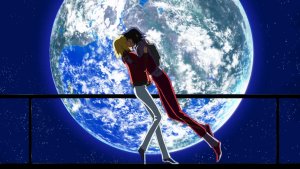
A princess who cares for her father and her realm ; a guy who side with the enemy to gain power.
The theme is little bit similar to AsuCaga in the first-half of GSD:
Cagalli who cares for her country and loves her father and
Athrun who end up siding with Durindal to gain power.
A princess who cares for her father and her realm ; a guy who side with the enemy to gain power.
The theme is little bit similar to AsuCaga in the first-half of GSD:
Cagalli who cares for her country and loves her father and
Athrun who end up siding with Durindal to gain power.
the main couple cannot touch each other or one will disappear
I remember one teaser show Xueji leaning on Ziyu's shoulder, maybe they deleted that scene already