
 K-Drama

A Journey Through the Life and Legend of Miyamoto Musashi
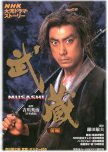
This is the drama that inspired me to choose Miyamoto Musashi’s Niten Ichi-ryu as my koryu kenjutsu tradition. One of the series’ greatest strengths is its depiction of many authentic techniques and concepts associated with Niten Ichi-ryu. Based on the famous novel by Eiji Yoshikawa, the story follows Musashi’s life from his youth on the battlefield of the Battle of Sekigahara to the events surrounding the Siege of Osaka Castle.
The drama also deeply explores Musashi’s childhood and emotional foundations. It portrays his harsh upbringing under his father, Shinmen Munisai, whose strict and often violent nature shaped Musashi into a restless and aggressive youth. At the same time, Musashi’s family background is marked by separation and spiritual distance—his mother is shown living as a Buddhist monk, while his sister also lives a monastic life. This emotional fragmentation contributes to Musashi’s early sense of isolation and his eventual path as a wandering swordsman.
A central emotional thread of the story is Musashi’s relationship with his childhood friends, Matahachi and Otsu. Honiden Matahachi, his best friend who was originally engaged to Otsu, becomes a tragic and often comic figure in the narrative. When Musashi returns to his village and sets out on his warrior pilgrimage, the lives of the three become permanently intertwined and torn apart. Otsu, deeply devoted and emotionally persistent, sacrifices much of her life in her long and often painful search for Musashi, representing loyalty, love and endurance in contrast to the violent world of samurai ambition.
Meanwhile, Matahachi’s descent serves as a cautionary parallel story—his pursuit of pleasure and avoidance of responsibility gradually turns him into a figure of ridicule and misfortune, highlighting the consequences of abandoning discipline and honor. In contrast, Musashi’s relentless training and dueling bring him increasing fame and recognition as he defeats opponent after opponent on his path to mastery.
The story also features important supporting characters such as Oko and her daughter Akemi, whose complicated relationship with Matahachi and the Yoshiokas added further emotional and moral complexity to the narrative. Their involvement highlights themes of survival, desire, and manipulation within a chaotic post-war society.
On the antagonistic side, one of the most persistent and emotionally charged forces in Musashi’s journey is Matahachi’s mother, Osugi, whose obsession with family honor and vengeance drives much of the early conflict and tension. Her relentless pursuit of Musashi and refusal to accept reality make her a powerful and tragic antagonist within the story.
A major spiritual influence throughout Musashi’s development is the Buddhist monk Takuan Soho, who serves as a guiding figure in shaping Musashi’s inner discipline and philosophical outlook. His teachings push Musashi beyond mere physical mastery, toward a deeper understanding of mind, perception, and detachment—key elements that define his evolution as both swordsman and thinker.
Along the way, he faces many legendary opponents, including the Yoshioka brothers and their disciples, speared-wielding monk Hozoin Inshun, chain and sickle (kusarigama) wielding warrior Shishido Baiken, and his famous rival Sasaki Kojiro. The series also depicts his encounters with Yagyu Sekishusai, whose teachings help shape Musashi's philosophy of martial arts and self-improvement.
As Musashi’s journey progresses, his ultimate martial and philosophical challenges culminate in his confrontations with Yagyu Munenori, who represents the highest level of political and martial refinement. In the drama, Munenori is portrayed not merely as a master swordsman, but as a key political and philosophical figure of the Tokugawa era, serving the interests of the Tokugawa shogunate. His ideology emphasizes maintaining peace and order above individual morality in combat, often summarized as a pragmatic “the ends justify the means” approach—where decisive action, even ruthless when necessary, is justified if it secures stability for the state. These encounters push Musashi beyond mere physical combat into deeper questions of strategy, control, and spiritual balance.
Beyond the duels, the drama explores Musashi's personal growth as an artist, philosopher, and seeker of enlightenment, showing his development in sumi-e painting, farming and his gradual withdrawal from worldly life. His journey ultimately concludes in Reigando Cave, where he completes the Go Rin No Sho or The Book of Five Rings and passes on his teachings before his death.
Overall, the series stands as a powerful and emotionally layered interpretation of Musashi’s life—blending action, tragedy, philosophy, and human relationships into a deeply compelling historical drama.
The drama also deeply explores Musashi’s childhood and emotional foundations. It portrays his harsh upbringing under his father, Shinmen Munisai, whose strict and often violent nature shaped Musashi into a restless and aggressive youth. At the same time, Musashi’s family background is marked by separation and spiritual distance—his mother is shown living as a Buddhist monk, while his sister also lives a monastic life. This emotional fragmentation contributes to Musashi’s early sense of isolation and his eventual path as a wandering swordsman.
A central emotional thread of the story is Musashi’s relationship with his childhood friends, Matahachi and Otsu. Honiden Matahachi, his best friend who was originally engaged to Otsu, becomes a tragic and often comic figure in the narrative. When Musashi returns to his village and sets out on his warrior pilgrimage, the lives of the three become permanently intertwined and torn apart. Otsu, deeply devoted and emotionally persistent, sacrifices much of her life in her long and often painful search for Musashi, representing loyalty, love and endurance in contrast to the violent world of samurai ambition.
Meanwhile, Matahachi’s descent serves as a cautionary parallel story—his pursuit of pleasure and avoidance of responsibility gradually turns him into a figure of ridicule and misfortune, highlighting the consequences of abandoning discipline and honor. In contrast, Musashi’s relentless training and dueling bring him increasing fame and recognition as he defeats opponent after opponent on his path to mastery.
The story also features important supporting characters such as Oko and her daughter Akemi, whose complicated relationship with Matahachi and the Yoshiokas added further emotional and moral complexity to the narrative. Their involvement highlights themes of survival, desire, and manipulation within a chaotic post-war society.
On the antagonistic side, one of the most persistent and emotionally charged forces in Musashi’s journey is Matahachi’s mother, Osugi, whose obsession with family honor and vengeance drives much of the early conflict and tension. Her relentless pursuit of Musashi and refusal to accept reality make her a powerful and tragic antagonist within the story.
A major spiritual influence throughout Musashi’s development is the Buddhist monk Takuan Soho, who serves as a guiding figure in shaping Musashi’s inner discipline and philosophical outlook. His teachings push Musashi beyond mere physical mastery, toward a deeper understanding of mind, perception, and detachment—key elements that define his evolution as both swordsman and thinker.
Along the way, he faces many legendary opponents, including the Yoshioka brothers and their disciples, speared-wielding monk Hozoin Inshun, chain and sickle (kusarigama) wielding warrior Shishido Baiken, and his famous rival Sasaki Kojiro. The series also depicts his encounters with Yagyu Sekishusai, whose teachings help shape Musashi's philosophy of martial arts and self-improvement.
As Musashi’s journey progresses, his ultimate martial and philosophical challenges culminate in his confrontations with Yagyu Munenori, who represents the highest level of political and martial refinement. In the drama, Munenori is portrayed not merely as a master swordsman, but as a key political and philosophical figure of the Tokugawa era, serving the interests of the Tokugawa shogunate. His ideology emphasizes maintaining peace and order above individual morality in combat, often summarized as a pragmatic “the ends justify the means” approach—where decisive action, even ruthless when necessary, is justified if it secures stability for the state. These encounters push Musashi beyond mere physical combat into deeper questions of strategy, control, and spiritual balance.
Beyond the duels, the drama explores Musashi's personal growth as an artist, philosopher, and seeker of enlightenment, showing his development in sumi-e painting, farming and his gradual withdrawal from worldly life. His journey ultimately concludes in Reigando Cave, where he completes the Go Rin No Sho or The Book of Five Rings and passes on his teachings before his death.
Overall, the series stands as a powerful and emotionally layered interpretation of Musashi’s life—blending action, tragedy, philosophy, and human relationships into a deeply compelling historical drama.
Was this review helpful to you?


