


 24
24 43
43 8
8 1
1 1
1 1
1 1
1 1
1 1
1 6
6 2
2 3
3 1
1 1
1 1
1 1
1 3
3 1
1 3
3


A Taste of Your Own Medicine
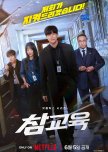
In a world where teachers have lost their grip on the classroom and discipline has become little more than a polite suggestion, the government launches a bold solution: the Educational Rights Protection Bureau (ERPB). Na Hwa Jin, a no-nonsense inspector is tasked with restoring order where chaos reigns supreme. Armed with unprecedented authority, Hwa Jin and his team are dispatched to troubled schools across the country, confronting unruly students, broken systems, and the uncomfortable truth that respect cannot be legislated into existence. Part school drama, part social commentary, Teach You a Lesson asks a timeless question: when the old rules no longer work, how far should society go to write new ones?
What makes the drama stand out is how it broadens its lens beyond the usual school bullying narrative. It explores conflicts in all directions, from student against student to teacher against parent, and even the misuse of legal systems. Each case reveals a different layer of dysfunction, making the story feel less like a simple revenge tale and more like a commentary on accountability. The ERPB’s approach is simple but striking. They make perpetrators experience the consequences of their own actions, giving them a taste of their own medicine. Violence is met with violence, manipulation with manipulation, and abuse of law with the law itself. It is harsh, but in the context of the drama, it feels like a twisted form of justice that is oddly satisfying to watch.
The emotional backbone of the story lies in its origin. The bureau was created by Minister Choi Gang Seok after the tragic death of his daughter, Choi Ga Yun, who was also Na Hwa Jin’s fiancée. Her death at the hands of a student becomes the catalyst for everything that follows. Despite their grief, both Hwa Jin and Gang Seok carry forward Ga Yun’s belief that teachers should not live in fear of their students. This shared loss adds a quiet weight to the narrative, grounding all the action and retribution in something deeply personal.
Na Hwa Jin himself is easily the highlight of the drama. As a former special forces operative turned inspector, he brings a commanding presence that is both intimidating and charismatic. His methods are ruthless, but his personality remains surprisingly laidback and even playful at times. There is a clear distinction in how he handles different perpetrators. With students, he holds back, keeping his punishments relatively restrained. With adults, however, he shows no mercy. This contrast not only reinforces his moral code but also makes his character more intriguing. Kim Mu Yeol fully embodies Hwa Jin, delivering a performance that is both magnetic and intense. The action sequences, especially, are executed in a way that keeps the adrenaline high and the tension sharp.
Structurally, the drama follows a case-by-case format, with each episode focusing on a new school or conflict. However, it never feels disconnected. Episodes often reference previous cases, creating a sense of continuity that ties everything together. The formula is familiar but effective. We are shown the problem, the ERPB steps in, and the lesson is delivered. While the bullying, violence, and abuse can be difficult to watch, they serve a purpose. They build emotional weight so that when the punishment finally comes, it lands with full impact. The satisfaction comes not just from seeing justice served, but from seeing it served in a way that mirrors the crime.
Interestingly, the drama also manages to keep the viewing experience enjoyable rather than stressful. From early on, it establishes the ERPB as highly competent, capable of navigating both physical confrontations and political maneuvering. This creates a sense of security for the audience. Instead of worrying about whether the protagonists will succeed, you find yourself anticipating how they will turn the tables. Even moments that seem like setbacks often reveal themselves as calculated moves. This approach makes the show incredibly bingeable, as each episode delivers a sense of closure along with anticipation for what comes next.
Given its webtoon origins, it is no surprise that the drama occasionally leans into exaggerated or comical elements. Some cases feel almost over the top, with characters that seem larger than life. The Guun High School storyline, in particular, stands out for its almost cartoonish energy. At times, the logic may not hold up under scrutiny, but that is part of the charm. This is not a drama that asks to be taken too seriously. It thrives on its boldness and its willingness to push boundaries. That said, not every character lands perfectly. Im Han Rim, played by Jin Ki Joo, can feel a bit overbearing at times. Her tendency to shout and her somewhat awkward delivery make her character harder to connect with, especially compared to the more grounded performances around her. It is a noticeable contrast, though it does not detract too heavily from the overall experience.
On the technical side, the drama delivers as expected. The visuals are polished, and the cinematography enhances the intensity of key moments. The action sequence at the end of episode two is particularly memorable, combining dynamic action sequence with sharp camera work. The soundtrack also deserves a mention, with its hip and energetic tracks that perfectly match the tone of the series. It is one of those rare cases where the opening and closing themes are worth watching every time.
In the end, Teach You a Lesson is a highly engaging and binge-worthy drama that knows exactly what it wants to be. It may not always be realistic, but it is consistently entertaining and thought-provoking in its own way. At its core, it delivers a simple yet powerful idea: actions have consequences, and sometimes the most effective lesson is the one you experience yourself. With a standout performance from Kim Mu Yeol and a narrative that balances action with social commentary, this is a drama that leaves a strong and lasting impression.
What makes the drama stand out is how it broadens its lens beyond the usual school bullying narrative. It explores conflicts in all directions, from student against student to teacher against parent, and even the misuse of legal systems. Each case reveals a different layer of dysfunction, making the story feel less like a simple revenge tale and more like a commentary on accountability. The ERPB’s approach is simple but striking. They make perpetrators experience the consequences of their own actions, giving them a taste of their own medicine. Violence is met with violence, manipulation with manipulation, and abuse of law with the law itself. It is harsh, but in the context of the drama, it feels like a twisted form of justice that is oddly satisfying to watch.
The emotional backbone of the story lies in its origin. The bureau was created by Minister Choi Gang Seok after the tragic death of his daughter, Choi Ga Yun, who was also Na Hwa Jin’s fiancée. Her death at the hands of a student becomes the catalyst for everything that follows. Despite their grief, both Hwa Jin and Gang Seok carry forward Ga Yun’s belief that teachers should not live in fear of their students. This shared loss adds a quiet weight to the narrative, grounding all the action and retribution in something deeply personal.
Na Hwa Jin himself is easily the highlight of the drama. As a former special forces operative turned inspector, he brings a commanding presence that is both intimidating and charismatic. His methods are ruthless, but his personality remains surprisingly laidback and even playful at times. There is a clear distinction in how he handles different perpetrators. With students, he holds back, keeping his punishments relatively restrained. With adults, however, he shows no mercy. This contrast not only reinforces his moral code but also makes his character more intriguing. Kim Mu Yeol fully embodies Hwa Jin, delivering a performance that is both magnetic and intense. The action sequences, especially, are executed in a way that keeps the adrenaline high and the tension sharp.
Structurally, the drama follows a case-by-case format, with each episode focusing on a new school or conflict. However, it never feels disconnected. Episodes often reference previous cases, creating a sense of continuity that ties everything together. The formula is familiar but effective. We are shown the problem, the ERPB steps in, and the lesson is delivered. While the bullying, violence, and abuse can be difficult to watch, they serve a purpose. They build emotional weight so that when the punishment finally comes, it lands with full impact. The satisfaction comes not just from seeing justice served, but from seeing it served in a way that mirrors the crime.
Interestingly, the drama also manages to keep the viewing experience enjoyable rather than stressful. From early on, it establishes the ERPB as highly competent, capable of navigating both physical confrontations and political maneuvering. This creates a sense of security for the audience. Instead of worrying about whether the protagonists will succeed, you find yourself anticipating how they will turn the tables. Even moments that seem like setbacks often reveal themselves as calculated moves. This approach makes the show incredibly bingeable, as each episode delivers a sense of closure along with anticipation for what comes next.
Given its webtoon origins, it is no surprise that the drama occasionally leans into exaggerated or comical elements. Some cases feel almost over the top, with characters that seem larger than life. The Guun High School storyline, in particular, stands out for its almost cartoonish energy. At times, the logic may not hold up under scrutiny, but that is part of the charm. This is not a drama that asks to be taken too seriously. It thrives on its boldness and its willingness to push boundaries. That said, not every character lands perfectly. Im Han Rim, played by Jin Ki Joo, can feel a bit overbearing at times. Her tendency to shout and her somewhat awkward delivery make her character harder to connect with, especially compared to the more grounded performances around her. It is a noticeable contrast, though it does not detract too heavily from the overall experience.
On the technical side, the drama delivers as expected. The visuals are polished, and the cinematography enhances the intensity of key moments. The action sequence at the end of episode two is particularly memorable, combining dynamic action sequence with sharp camera work. The soundtrack also deserves a mention, with its hip and energetic tracks that perfectly match the tone of the series. It is one of those rare cases where the opening and closing themes are worth watching every time.
In the end, Teach You a Lesson is a highly engaging and binge-worthy drama that knows exactly what it wants to be. It may not always be realistic, but it is consistently entertaining and thought-provoking in its own way. At its core, it delivers a simple yet powerful idea: actions have consequences, and sometimes the most effective lesson is the one you experience yourself. With a standout performance from Kim Mu Yeol and a narrative that balances action with social commentary, this is a drama that leaves a strong and lasting impression.
Was this review helpful to you?


