

 24
24 45
45 8
8 1
1 1
1 1
1 1
1 1
1 1
1 6
6 2
2 3
3 1
1 1
1 1
1 1
1 3
3 1
1 3
3


Game of Pretend
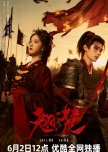
Ashes to Crown takes a familiar rebirth premise and places it in the middle of court politics, military ambition, and the pursuit of a second chance. Chu Zhao, armed with memories of her previous life, refuses to be a victim of fate. Instead, she actively reshapes her future, stepping into the center of political turmoil rather than running from it. Along the way, she crosses paths with Xie Yan Lai, an overlooked illegitimate son whose life has been defined by neglect and limitations. Together, they rise through the ranks of power and influence, making this a story that promises both personal growth and political intrigue. Unfortunately, the execution never quite lived up to that promise for me.
From the very beginning, the drama felt more like a high-budget short drama than a full-length historical production. There is nothing wrong with short-form dramas, but Ashes to Crown often carries that same rushed, dramatic energy despite its longer runtime. The visuals contribute to that feeling. The palace set is drenched in shades of red to the point where it feels more like a carefully arranged studio backdrop than a living imperial court. Add to that the heavy beauty filters that leave everyone's skin looking porcelain-smooth and doll-like, and the overall presentation becomes more stylized than immersive. At times, I felt like I was watching an expensive wallpaper come to life rather than a historical drama.
The political storyline was where the cracks became impossible to ignore. Nearly every major political figure looks like they belong to the same graduating class, which made the court feel less like a seat of power and more like a group project gone terribly wrong. More importantly, the political logic often bends according to whatever the plot needs at a given moment. Characters frequently change their stance, goals, and beliefs based on personal feelings rather than consistent motivations.
One example perfectly captures my frustration. Chu Zhao leaves the young Emperor in the middle of a palace filled with enemies so she can visit her father, trusting Xie Yan Lai to protect him. Shortly afterward, Yan Lai abandons his post, hands an important token to his scheming brother, and runs off to protect Chu Zhao instead. The Emperor is essentially left unattended in what is supposed to be a deadly political environment. Moments like these made it difficult for me to take the political stakes seriously.
The drama also loves schemes. Normally, that would be a positive because I enjoy a good battle of wits. The problem is that Ashes to Crown stacks schemes on top of schemes until every setback eventually reveals itself to be part of Chu Zhao's master plan. After a while, every failure, every danger, and every apparent loss starts feeling like another inevitable reveal waiting around the corner. What should feel clever instead becomes repetitive and increasingly ridiculous. By the final episodes, I found myself rolling my eyes rather than feeling impressed.
The romance fares slightly better but still suffers from weak development. Xie Yan Lai's feelings for Chu Zhao are understandable. She changes his life, believes in him, and gives him opportunities no one else would. Chu Zhao's side of the romance, however, feels much less convincing. Her feelings seem to appear rather than develop naturally. One moment she is focused on securing her political position as Grand Princess, despite swearing not to marry or have children while holding the title, and the next she is openly flirting with Yan Lai to keep him by her side. The transition from strategic partnership to genuine love never feels properly earned.
Even the romantic scenes themselves often feel disconnected from the surrounding story. A typical sequence goes something like this: political conflict, dramatic confrontation, music stops, one character stands alone, the other approaches, they share a cute moment, and then everyone immediately returns to political chaos. Instead of feeling woven into the narrative, these scenes often resemble bonus clips inserted between plot developments. The chemistry is cute, but chemistry alone cannot replace emotional buildup.
The war sequences left me with similar feelings. Visually, they are beautiful. Narratively, they are surprisingly hollow. Battles feel brief, clean, and heavily staged. Sacrifices happen suddenly, characters appear exactly where they need to be, and resolutions often arrive through convenient plot developments. Even the final conflict loses much of its impact because events unfold in a way that feels more convenient than earned. The production clearly invested effort into making the battles look grand, but spectacle can only carry so much weight when the storytelling underneath feels thin.
That said, credit where credit is due: the soundtrack is fantastic. Almost every OST left an impression on me, and Liu Yu Ning's contributions were especially memorable. Long after finishing the drama, the music remained the one aspect I genuinely wanted to revisit.
In the end, Ashes to Crown was a drama that required determination and a generous amount of 2x speed for me to finish. The production places enormous emphasis on beauty, aesthetics, and presentation, but often neglects the logic, context, and narrative foundation needed to support them. Even as someone who enjoys romance, I cannot wholeheartedly recommend it on that front because the relationship itself lacks the buildup necessary to make it truly compelling.
For me, this was a classic case of style over substance. Beautiful to look at, pleasant to listen to, but far less satisfying once you start asking the story to make sense.
From the very beginning, the drama felt more like a high-budget short drama than a full-length historical production. There is nothing wrong with short-form dramas, but Ashes to Crown often carries that same rushed, dramatic energy despite its longer runtime. The visuals contribute to that feeling. The palace set is drenched in shades of red to the point where it feels more like a carefully arranged studio backdrop than a living imperial court. Add to that the heavy beauty filters that leave everyone's skin looking porcelain-smooth and doll-like, and the overall presentation becomes more stylized than immersive. At times, I felt like I was watching an expensive wallpaper come to life rather than a historical drama.
The political storyline was where the cracks became impossible to ignore. Nearly every major political figure looks like they belong to the same graduating class, which made the court feel less like a seat of power and more like a group project gone terribly wrong. More importantly, the political logic often bends according to whatever the plot needs at a given moment. Characters frequently change their stance, goals, and beliefs based on personal feelings rather than consistent motivations.
One example perfectly captures my frustration. Chu Zhao leaves the young Emperor in the middle of a palace filled with enemies so she can visit her father, trusting Xie Yan Lai to protect him. Shortly afterward, Yan Lai abandons his post, hands an important token to his scheming brother, and runs off to protect Chu Zhao instead. The Emperor is essentially left unattended in what is supposed to be a deadly political environment. Moments like these made it difficult for me to take the political stakes seriously.
The drama also loves schemes. Normally, that would be a positive because I enjoy a good battle of wits. The problem is that Ashes to Crown stacks schemes on top of schemes until every setback eventually reveals itself to be part of Chu Zhao's master plan. After a while, every failure, every danger, and every apparent loss starts feeling like another inevitable reveal waiting around the corner. What should feel clever instead becomes repetitive and increasingly ridiculous. By the final episodes, I found myself rolling my eyes rather than feeling impressed.
The romance fares slightly better but still suffers from weak development. Xie Yan Lai's feelings for Chu Zhao are understandable. She changes his life, believes in him, and gives him opportunities no one else would. Chu Zhao's side of the romance, however, feels much less convincing. Her feelings seem to appear rather than develop naturally. One moment she is focused on securing her political position as Grand Princess, despite swearing not to marry or have children while holding the title, and the next she is openly flirting with Yan Lai to keep him by her side. The transition from strategic partnership to genuine love never feels properly earned.
Even the romantic scenes themselves often feel disconnected from the surrounding story. A typical sequence goes something like this: political conflict, dramatic confrontation, music stops, one character stands alone, the other approaches, they share a cute moment, and then everyone immediately returns to political chaos. Instead of feeling woven into the narrative, these scenes often resemble bonus clips inserted between plot developments. The chemistry is cute, but chemistry alone cannot replace emotional buildup.
The war sequences left me with similar feelings. Visually, they are beautiful. Narratively, they are surprisingly hollow. Battles feel brief, clean, and heavily staged. Sacrifices happen suddenly, characters appear exactly where they need to be, and resolutions often arrive through convenient plot developments. Even the final conflict loses much of its impact because events unfold in a way that feels more convenient than earned. The production clearly invested effort into making the battles look grand, but spectacle can only carry so much weight when the storytelling underneath feels thin.
That said, credit where credit is due: the soundtrack is fantastic. Almost every OST left an impression on me, and Liu Yu Ning's contributions were especially memorable. Long after finishing the drama, the music remained the one aspect I genuinely wanted to revisit.
In the end, Ashes to Crown was a drama that required determination and a generous amount of 2x speed for me to finish. The production places enormous emphasis on beauty, aesthetics, and presentation, but often neglects the logic, context, and narrative foundation needed to support them. Even as someone who enjoys romance, I cannot wholeheartedly recommend it on that front because the relationship itself lacks the buildup necessary to make it truly compelling.
For me, this was a classic case of style over substance. Beautiful to look at, pleasant to listen to, but far less satisfying once you start asking the story to make sense.
Was this review helpful to you?


