

 12
12 30
30 8
8 2
2 1
1 2
2 1
1 1
1 1
1 1
1 1
1 1
1 2
2


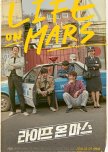
This review may contain spoilers
A happy lie is still a lie.
⚠️Warning: This review is divided into 2 sections: one with spoilers just enough to write my regular reviews and another that dives deeper. The latter involves theories & evidence about everything that unraveled in the drama, including specific twists I never mentioned in the first part of this review.
⚠️ If you are just planning to start the drama, reading the second part of this review may ruin your first experience. I won't recommend reading it yet, but if that's the type of review that'll convince or dissuade you to watch, then read at your own risk.
Also, this review is coming from someone who has not seen the original UK version, so rather than comparisons, everything here is based purely on how this particular story unfolded on its own.
❁✿❀❁✿❀
[Just enough (I guess) spoilers]
Early on, I thought that the drama felt pretty straightforward with a clear direction. It's a familiar premise of a crime + fantasy drama: a detective chasing a serial killer, an accident happens, and then suddenly waking up in a different timeline with no clear explanation why.
There was a clear objective: solve cases, find answers to questions, and return to the present. It checked a lot of familiar boxes for crime dramas, even down to the team dynamics. Above all, it fit the style of Jung Kyungho's dramas. It got bits of humor and bits of exaggeration and absurdity mixed into serious situations.
There was a point where I almost dropped it because of how frustrating the squad was at the start, especially with how casually they leaned into violence. I hated those scenes, but it was also clear why it was that way. There was no clear law to treat the criminals as human beings, and the Miranda rights did not even exist yet. Even sexism was evident by how they were dismissing female officers as lesser ranks.
The main character, Tae Joo, stands in contrast to that environment. He relies on data, procedure, and evidence, which puts him at odds with the team, so we see conflicts between modern logic and old-school policing. Even forensic science is still an unpopular field, so his knowledge is also reduced to weirdness. This setting showed a rougher system rather than nostalgia, where instinct and force often replaced the proper procedure, and this clash shaped the tone of the story ...initially.
But then, it stops being all that. Sure, we get reminded from time to time along with Tae Joo that the 1988 world is a world he's not supposed to be in. But as the story moves forward, the focus shifts. The cases are still there, and the question of returning to the present does not disappear, but the weight starts to center on Tae Joo himself. The psychological aspect grows from his perspective so much that even after the biggest reveal of the case, I was more bothered by how unsettling the tone still was. It made me understand how the present-world accident, his childhood, and his life in this world caused a mental toll on Tae Joo.
It's one hell of a ride for me and saying this is a great drama is an understatement. Tae Joo himself, rather than the story, kept me on my toes until the very end. If the drama already felt overwhelming as a viewer, it makes you wonder how much heavier it was for Tae Joo to live through it.
For the first time in a while, I got goosebumps for that last episode. I think it was the most decisive choice Tae Joo ever made. He gave me closure, but that freaking made this freaking experience even wilder and heavier.
❁✿❀❁✿❀
[🛑 Spoilers that might ruin your first-watch experience, if you haven't yet 🛑]
By the time it reaches the end, it is no longer about finding the correct answer. Tae Joo already resolved the questions tied to his life before the accident. He caught the person he was chasing and uncovered the truth behind the case. Yet the drama does not end with that resolution, because his real conflict remains. It becomes a matter of choosing which version of life he wants to hold on to.
And he chose the past, where he was important, needed, and most importantly, happier.
Still, I do not think he believed that world was real. The drama showed lots of evidence, experienced by Tae Joo himself. He's such a smart guy to not figure this out.
Let's go back to when Tae Joo just woke up in the past. He wakes up in a small town in 1988. He's in Insung, which he had no memories of. If this was "real", then he should be a child in this timeline, or as an unknown stranger in a familiar world as an adult. Instead, he wakes up with the same name and a position that already fits him. He knows nobody, except for clues that he might be following something related to the case in the present. The fact that he has his own identity is as if he'd been long been in this world. It feels constructed, almost too convenient.
There are two pieces of evidence I find the most non-refutable. First is the constant interruptions from the present, which proves his time in the past was all a dream. The things he hear are not random, but specific to people talking to him: the medical staff and his visitors in the hospital. And even Tae Joo was well aware everything was an illusion, he hears voices on radio and faces on TV nobody else does. But, he can't really do anything as he does not know what he's supposed to do in Insung, why that team, and why those cases, yet.
Second is the answers to these whys. When he woke up in the present, it was eventually found out that before the accident, Tae Joo had actually read cases similar to what he was investigating. All these people he met, places he went, and happenings he experienced were all his subconscious playing out and materializing these cases which he had read before the accident. These cases even helped him uncover the truth about his father by remembering his forgotten childhood during his stay in the past.
My take on why the last villain of the past and his present surgeon had the same name and face is because realistically, you can go between consciousness and unconsciousness during surgery, which means he could have seen his face unknowngly, and his subconscious used him to fill this gap in the case.
When he returned to the present while trying to save his colleagues, it felt like an unfinished mission. But we get the reveal that he was brought back not because he actually completed his purpose there, but because that was the end of the case he had read in the past. In reality, those colleagues died.
One notable difference between this drama and the other time-travel crime dramas that I realized after he woke up in the present, is the fact that his actions in the past had no effect in the present. Or it might be more accurate to say that, none of what happened in the present was ever prevented nor solved in the past. It was only like as if he acted as intented, like how a fixed script would play out. The revelation that he had already read about these cases made this make sense.
So, the ending did not feel vague to me. It was a very decisive decision.
In the real world, Tae Joo jumped and attempted suicide. It's a happy ending for him, and a devastation for everybody around him: his mom, aunt, ex-girlfriend, and probably even his doctors who did a lot to save him. But, the reason why we see him back in the past is that he's actually still alive, most probably in a coma. It made me feel heavy about knowing he can still hear traces of the present, yet chooses to stay where he feels whole. I believe he is aware he's living in a dream, and is choosing to ignore it.
This time, the past is no longer bound to the cases he read. He's fully living in his own delusion now. He saves his colleagues we know are long gone and lives in a version of life that only exists in his mind.
The drama ends on an upbeat, but it still reminded us that he's not in a real world. Tae Joo's decision was enough closure for me, but it also left me questions like a rhetoric.
Will he keep shutting down the real world's attempt to bring him back to reality? If so, will his happiness actually last?
My conclusion leans toward this: He will keep choosing that world until his real body can no longer hold on.
So for me, this was one heck of a tragedy story, even for him. His tragedy is his refusal to accept that the world he's desperate to live are just all in his imagination.
⚠️ If you are just planning to start the drama, reading the second part of this review may ruin your first experience. I won't recommend reading it yet, but if that's the type of review that'll convince or dissuade you to watch, then read at your own risk.
Also, this review is coming from someone who has not seen the original UK version, so rather than comparisons, everything here is based purely on how this particular story unfolded on its own.
❁✿❀❁✿❀
[Just enough (I guess) spoilers]
Early on, I thought that the drama felt pretty straightforward with a clear direction. It's a familiar premise of a crime + fantasy drama: a detective chasing a serial killer, an accident happens, and then suddenly waking up in a different timeline with no clear explanation why.
There was a clear objective: solve cases, find answers to questions, and return to the present. It checked a lot of familiar boxes for crime dramas, even down to the team dynamics. Above all, it fit the style of Jung Kyungho's dramas. It got bits of humor and bits of exaggeration and absurdity mixed into serious situations.
There was a point where I almost dropped it because of how frustrating the squad was at the start, especially with how casually they leaned into violence. I hated those scenes, but it was also clear why it was that way. There was no clear law to treat the criminals as human beings, and the Miranda rights did not even exist yet. Even sexism was evident by how they were dismissing female officers as lesser ranks.
The main character, Tae Joo, stands in contrast to that environment. He relies on data, procedure, and evidence, which puts him at odds with the team, so we see conflicts between modern logic and old-school policing. Even forensic science is still an unpopular field, so his knowledge is also reduced to weirdness. This setting showed a rougher system rather than nostalgia, where instinct and force often replaced the proper procedure, and this clash shaped the tone of the story ...initially.
But then, it stops being all that. Sure, we get reminded from time to time along with Tae Joo that the 1988 world is a world he's not supposed to be in. But as the story moves forward, the focus shifts. The cases are still there, and the question of returning to the present does not disappear, but the weight starts to center on Tae Joo himself. The psychological aspect grows from his perspective so much that even after the biggest reveal of the case, I was more bothered by how unsettling the tone still was. It made me understand how the present-world accident, his childhood, and his life in this world caused a mental toll on Tae Joo.
It's one hell of a ride for me and saying this is a great drama is an understatement. Tae Joo himself, rather than the story, kept me on my toes until the very end. If the drama already felt overwhelming as a viewer, it makes you wonder how much heavier it was for Tae Joo to live through it.
For the first time in a while, I got goosebumps for that last episode. I think it was the most decisive choice Tae Joo ever made. He gave me closure, but that freaking made this freaking experience even wilder and heavier.
❁✿❀❁✿❀
[🛑 Spoilers that might ruin your first-watch experience, if you haven't yet 🛑]
By the time it reaches the end, it is no longer about finding the correct answer. Tae Joo already resolved the questions tied to his life before the accident. He caught the person he was chasing and uncovered the truth behind the case. Yet the drama does not end with that resolution, because his real conflict remains. It becomes a matter of choosing which version of life he wants to hold on to.
And he chose the past, where he was important, needed, and most importantly, happier.
Still, I do not think he believed that world was real. The drama showed lots of evidence, experienced by Tae Joo himself. He's such a smart guy to not figure this out.
Let's go back to when Tae Joo just woke up in the past. He wakes up in a small town in 1988. He's in Insung, which he had no memories of. If this was "real", then he should be a child in this timeline, or as an unknown stranger in a familiar world as an adult. Instead, he wakes up with the same name and a position that already fits him. He knows nobody, except for clues that he might be following something related to the case in the present. The fact that he has his own identity is as if he'd been long been in this world. It feels constructed, almost too convenient.
There are two pieces of evidence I find the most non-refutable. First is the constant interruptions from the present, which proves his time in the past was all a dream. The things he hear are not random, but specific to people talking to him: the medical staff and his visitors in the hospital. And even Tae Joo was well aware everything was an illusion, he hears voices on radio and faces on TV nobody else does. But, he can't really do anything as he does not know what he's supposed to do in Insung, why that team, and why those cases, yet.
Second is the answers to these whys. When he woke up in the present, it was eventually found out that before the accident, Tae Joo had actually read cases similar to what he was investigating. All these people he met, places he went, and happenings he experienced were all his subconscious playing out and materializing these cases which he had read before the accident. These cases even helped him uncover the truth about his father by remembering his forgotten childhood during his stay in the past.
My take on why the last villain of the past and his present surgeon had the same name and face is because realistically, you can go between consciousness and unconsciousness during surgery, which means he could have seen his face unknowngly, and his subconscious used him to fill this gap in the case.
When he returned to the present while trying to save his colleagues, it felt like an unfinished mission. But we get the reveal that he was brought back not because he actually completed his purpose there, but because that was the end of the case he had read in the past. In reality, those colleagues died.
One notable difference between this drama and the other time-travel crime dramas that I realized after he woke up in the present, is the fact that his actions in the past had no effect in the present. Or it might be more accurate to say that, none of what happened in the present was ever prevented nor solved in the past. It was only like as if he acted as intented, like how a fixed script would play out. The revelation that he had already read about these cases made this make sense.
So, the ending did not feel vague to me. It was a very decisive decision.
In the real world, Tae Joo jumped and attempted suicide. It's a happy ending for him, and a devastation for everybody around him: his mom, aunt, ex-girlfriend, and probably even his doctors who did a lot to save him. But, the reason why we see him back in the past is that he's actually still alive, most probably in a coma. It made me feel heavy about knowing he can still hear traces of the present, yet chooses to stay where he feels whole. I believe he is aware he's living in a dream, and is choosing to ignore it.
This time, the past is no longer bound to the cases he read. He's fully living in his own delusion now. He saves his colleagues we know are long gone and lives in a version of life that only exists in his mind.
The drama ends on an upbeat, but it still reminded us that he's not in a real world. Tae Joo's decision was enough closure for me, but it also left me questions like a rhetoric.
Will he keep shutting down the real world's attempt to bring him back to reality? If so, will his happiness actually last?
My conclusion leans toward this: He will keep choosing that world until his real body can no longer hold on.
So for me, this was one heck of a tragedy story, even for him. His tragedy is his refusal to accept that the world he's desperate to live are just all in his imagination.
Was this review helpful to you?


