

Recent Discussions



the two of them will leave you with the same trauma .
the ending is similar , but I will have to admit , even if this live disappears tonight hurts more
the ending is similar , but I will have to admit , even if this live disappears tonight hurts more

O drama "You Xin" é uma das adaptações do web novel "You Xin" by Ting Rong, assim como o drama "Jia Xi Zhen Zuo Hou Ta Yong Shi Suo Ai" que também indiquei aqui.
Ambas FLs, traídas pelos namorados canalhas, acabam se envolvendo com o ML.
Ambas FLs, traídas pelos namorados canalhas, acabam se envolvendo com o ML.

Os dois dramas são parecidos, já que ambas as FLs, são enganadas pelo namorado canalha que são substituídos pelo ML enquanto se recuperam de suas doenças.
Se você gostou de um, gostará do outro hahaha
Se você gostou de um, gostará do outro hahaha

Putting aside how Wang Xing Yue stars both drama, Unveil: Jadewind and The Wanted Detective both centers around crime solving themes, a central plot that drives their pursuit of justice, female main characters that have great martial arts skills, and ensemble characters that have their own roles in the investigations. Both dramas also have some fantasy elements too in some of the cases.

Apart from crime solving, slow burn romance, and a story that runs case by case, the cinematography is stunningly similar. There are some differences with the color grading with Unveil: Jadewind being on the warmer tone while Judge Dee’s Mystery on the cooler tone, but the overall quality and look is pretty much the same.
Female leading investigations, men aiding them, memorable ensemble characters, and crime solving are the similarities between Unveil: Jadewind and the Imperial Coroner.
Both dramas feature women leading investigations, while the men aids them. The women in both dramas are smart, skilled, independent, courageous, straightforward, and charismatic. Despite such strong qualities, the men in both dramas have mutual respect, trust, and admiration for them. Both dramas also feature interesting ensemble characters. The plot also flows with cases by cases that eventually leads to the central conflict.

In both dramas, a group of children experience trauma in "welfare centers" and grow up carrying the scars into adulthood. Years later, a series of inexplicable murders begins to unfold, forcing them to confront the past they thought they had buried.
Both stories are filled with secrets, deeply hidden, slowly revealed, and always more complex than they seem.
Each drama is masterfully crafted, especially when it comes to plot twists. Just when you think you've identified the culprit, the narrative shifts and turns everything upside down.
If you enjoy dark mysteries with layered characters and psychological depth, these two are excellent companion watches.
Both stories are filled with secrets, deeply hidden, slowly revealed, and always more complex than they seem.
Each drama is masterfully crafted, especially when it comes to plot twists. Just when you think you've identified the culprit, the narrative shifts and turns everything upside down.
If you enjoy dark mysteries with layered characters and psychological depth, these two are excellent companion watches.
A celebrity coming for a reality show in one case it's in a school in the other case it's in a small town.
Adult characters (not highschool or university main leads)
BL
Adult characters (not highschool or university main leads)
BL
Both "How Dare You!?" and "Love Like the Galaxy" revolve around historical settings and intriguing family and political dynamics. Both series feature strong and clever female leads who are navigating the complexities of their respective societies, so you’re seeing that same vibe of family intrigue, political maneuvering, and a bit of romance intertwined. It’s kind of like you're following similar themes and tones, just within a different storyline. The male leads in "How Dare You!?" and "Love Like the Galaxy" often serve as steady, strategic figures navigating the same complexities, providing a balance of support and challenge to the female leads.

The fml in both forge their backgrounds to achieve their goals. Loves ambition has romance and a happy ending. Id recommend if you like ambitious and strong fml


The darker themes of betrayal and mistrust are very prominent aspects of the two shows. It also has a very similar parent issues plot with the main characters. The cliffhangers in both shows are crazy and leave you wanting to watch more episodes. A few differences are that pit babe shrouds more stuff in mystery like we knew that Kant is a narc from the first episode but in Pit babe the traitor is hidden from the audience for a awhile to keep people on their toes. PLUS multiple cute side couples and a happy ending.

Same vide tbh! especially if you're like me who become obsessive with miaoyi! Cute leads and light, healthy drama! no unnecessary drama!
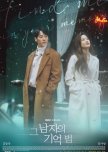
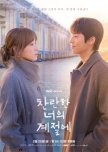
The concept of only one person remember their memories, although they are just partial part of the memories and can be consider an outsider.
One is cheerful while carrying deep scars on them, while another one is quiet and in resistance mode. They encounter each other and the healing journey begins.
One is cheerful while carrying deep scars on them, while another one is quiet and in resistance mode. They encounter each other and the healing journey begins.
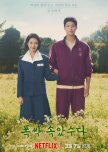
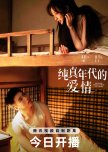
1. Retro Settings & Nostalgia: Both dramas lean heavily into a "golden-hued" but gritty past.
- Love Story in the 1970s: Set in 1970s China during the end of the Cultural Revolution. It captures the specific aesthetic of factory life, collective housing, and the desperate social drive for university recommendations.
- When Life Gives You Tangerines: Primarily set in 1950s/60s Jeju Island. It captures the rugged beauty and harsh poverty of post-war Korea, focusing on the lives of haenyeo (sea women) and farmers.
2. Ambitious Heroines & Education: The female leads in both stories view education as their only escape from a predetermined life of labor.
- Fei Ni (Love Story in the 1970s): A textile factory worker who dreams of going to college to change her fate, despite the factory leaders repeatedly dashing her hopes.
- Ae-sun (When Life Gives You Tangerines): A poor girl from Jeju who dreams of becoming a poet. She rebels against her circumstances and fights for the chance to attend school despite financial hardship.
3. "Quiet Strength" Male Leads: Both dramas feature a male protagonist who serves as a "silent guardian" - patient, supportive, and less traditionally "macho" than typical leads.
- Fang Muyang (Love Story in the 1970s): An artistic, somewhat melancholy man who supports Fei Ni’s dreams. Their relationship starts as a "fake marriage" for housing but grows into deep, mutual support.
Gwan-sik (When Life Gives You Tangerines): Described as "steel-hearted," he is a quiet, diligent man who has loved Ae-sun since childhood and remains her steady shadow through every season of her life.
4. Shared Themes
- Survival vs. Dreams: Both stories ask: How do you keep your soul alive when you are struggling just to eat? The characters often have to choose between their personal ambitions and the needs of their families.
- The Housing/Poverty Struggle: A central plot point in Love Story in the 1970s involves the couple living in upper and lower bunks in a tiny room to secure housing for Fei Ni’s brother. Similarly, When Life Gives You Tangerines depicts the "gritty reality" of sacrifice, showing the parents giving up their own plates so their children can eat.
- Healing through Ordinary Life: Neither show relies on "grand heroics." Instead, they find beauty in the "minimal gestures" like sharing a meal, a walk in the snow (or by the sea), and the persistence of staying together through decades of hardship.
- Love Story in the 1970s: Set in 1970s China during the end of the Cultural Revolution. It captures the specific aesthetic of factory life, collective housing, and the desperate social drive for university recommendations.
- When Life Gives You Tangerines: Primarily set in 1950s/60s Jeju Island. It captures the rugged beauty and harsh poverty of post-war Korea, focusing on the lives of haenyeo (sea women) and farmers.
2. Ambitious Heroines & Education: The female leads in both stories view education as their only escape from a predetermined life of labor.
- Fei Ni (Love Story in the 1970s): A textile factory worker who dreams of going to college to change her fate, despite the factory leaders repeatedly dashing her hopes.
- Ae-sun (When Life Gives You Tangerines): A poor girl from Jeju who dreams of becoming a poet. She rebels against her circumstances and fights for the chance to attend school despite financial hardship.
3. "Quiet Strength" Male Leads: Both dramas feature a male protagonist who serves as a "silent guardian" - patient, supportive, and less traditionally "macho" than typical leads.
- Fang Muyang (Love Story in the 1970s): An artistic, somewhat melancholy man who supports Fei Ni’s dreams. Their relationship starts as a "fake marriage" for housing but grows into deep, mutual support.
Gwan-sik (When Life Gives You Tangerines): Described as "steel-hearted," he is a quiet, diligent man who has loved Ae-sun since childhood and remains her steady shadow through every season of her life.
4. Shared Themes
- Survival vs. Dreams: Both stories ask: How do you keep your soul alive when you are struggling just to eat? The characters often have to choose between their personal ambitions and the needs of their families.
- The Housing/Poverty Struggle: A central plot point in Love Story in the 1970s involves the couple living in upper and lower bunks in a tiny room to secure housing for Fei Ni’s brother. Similarly, When Life Gives You Tangerines depicts the "gritty reality" of sacrifice, showing the parents giving up their own plates so their children can eat.
- Healing through Ordinary Life: Neither show relies on "grand heroics." Instead, they find beauty in the "minimal gestures" like sharing a meal, a walk in the snow (or by the sea), and the persistence of staying together through decades of hardship.


